
Imaging systems for component inspection, material analysis, and design validation.
Understand how I think, design, and execute →
“Where Engineering Precision Meets Visual Design”
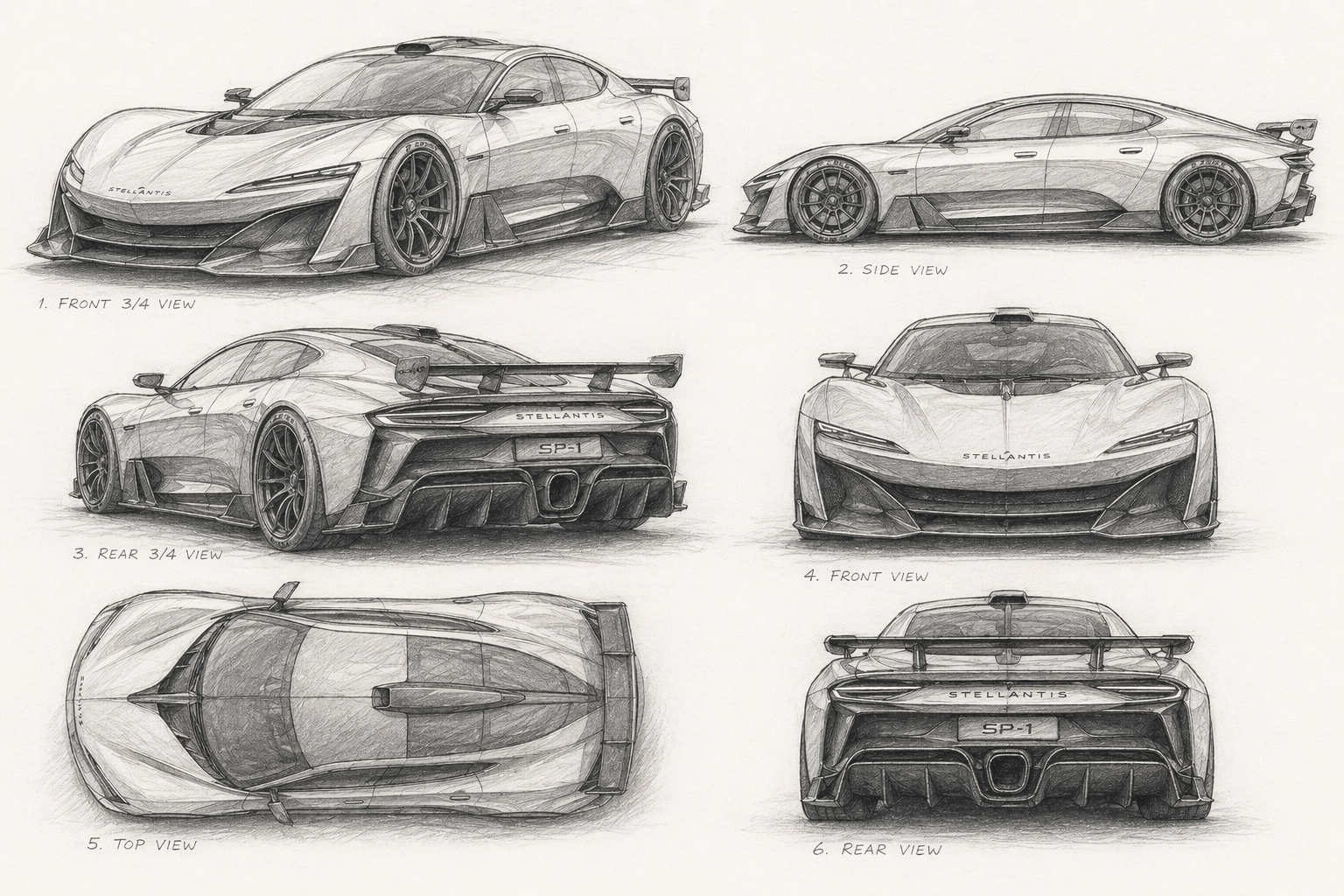
Precision Imaging for Engineering & Automotive Design
Explore this prototypes complete design →
PAULA M. KURZAWA
Engineering Imaging
Inspection, documentation, and technical visualization
Design exploration, CMF, and performance-driven visuals
High-precision imagery for development and marketing
Automotive Concepts
Product & Detail Work
I create high-detail visual systems that support engineering analysis, product development, and automotive concept storytelling.
My work supports design validation, inspection, and engineering analysis.
Engineering Imaging
High-detail visuals for inspection, documentation, and analysis This project explores how precision imaging and visual documentation can support automotive design, engineering communication, and product development.
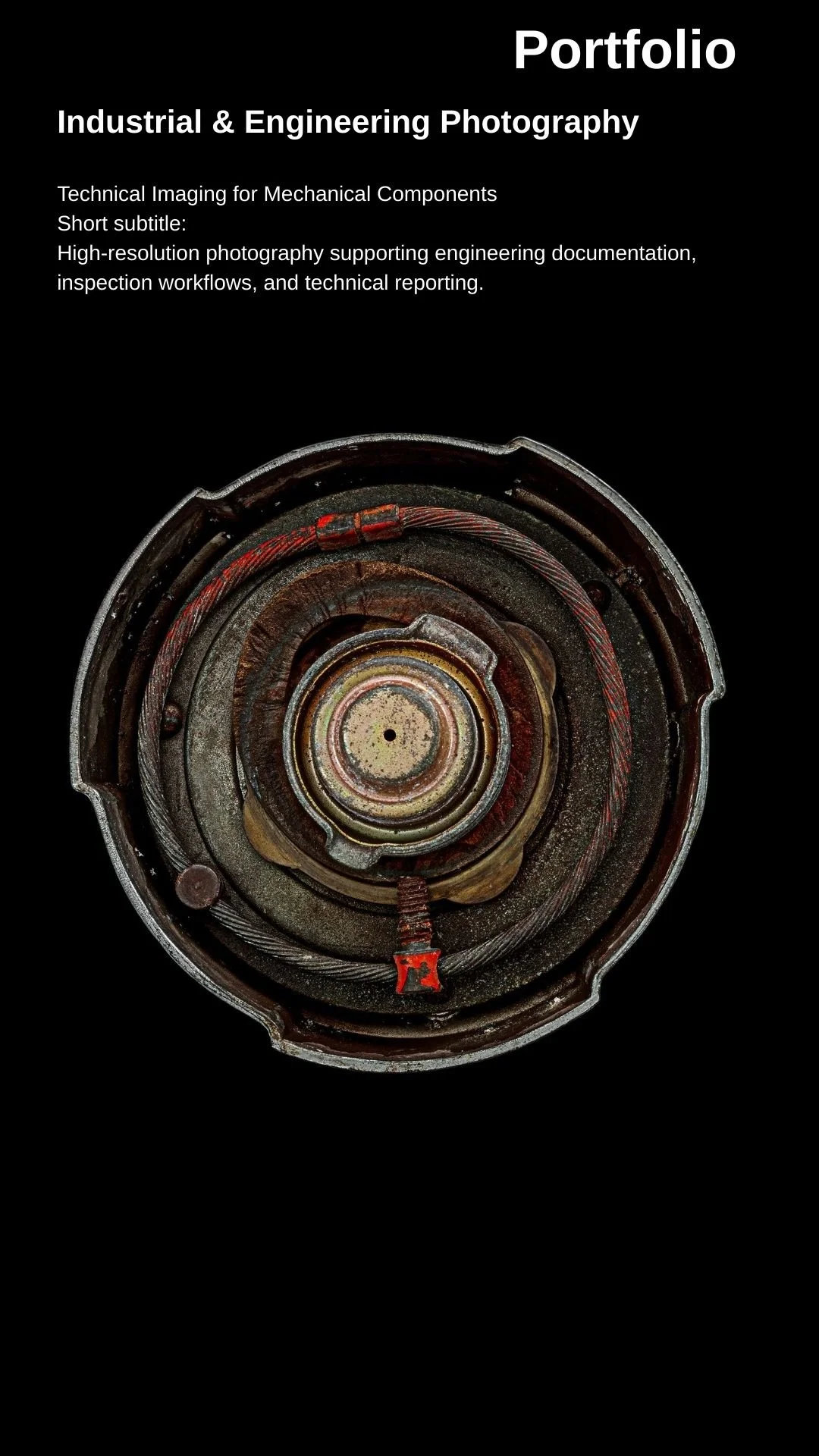
Macro imaging • Controlled Lighting Studies • Mechanical Component Documentation
My imaging process is designed to support engineering documentation, inspection analysis, and technical reporting.
Each image is captured with repeatable lighting setups and stabilized camera systems to ensure accurate representation of component geometry, surface condition, and mechanical features.
Typical workflow includes:
• Reviewing engineering objectives before imaging
• Selecting lighting setups that reveal critical features such as wear, machining marks, or surface deformation
• Using stabilized camera systems and macro focusing rails when necessary
• Capturing multiple focus planes to maintain full depth-of-field across complex components
• Delivering high-resolution imagery suitable for inspection documentation, reports, and engineering presentations
Industrial & Engineering Photography
Technical imaging for component inspection, surface analysis, and engineering documentation.
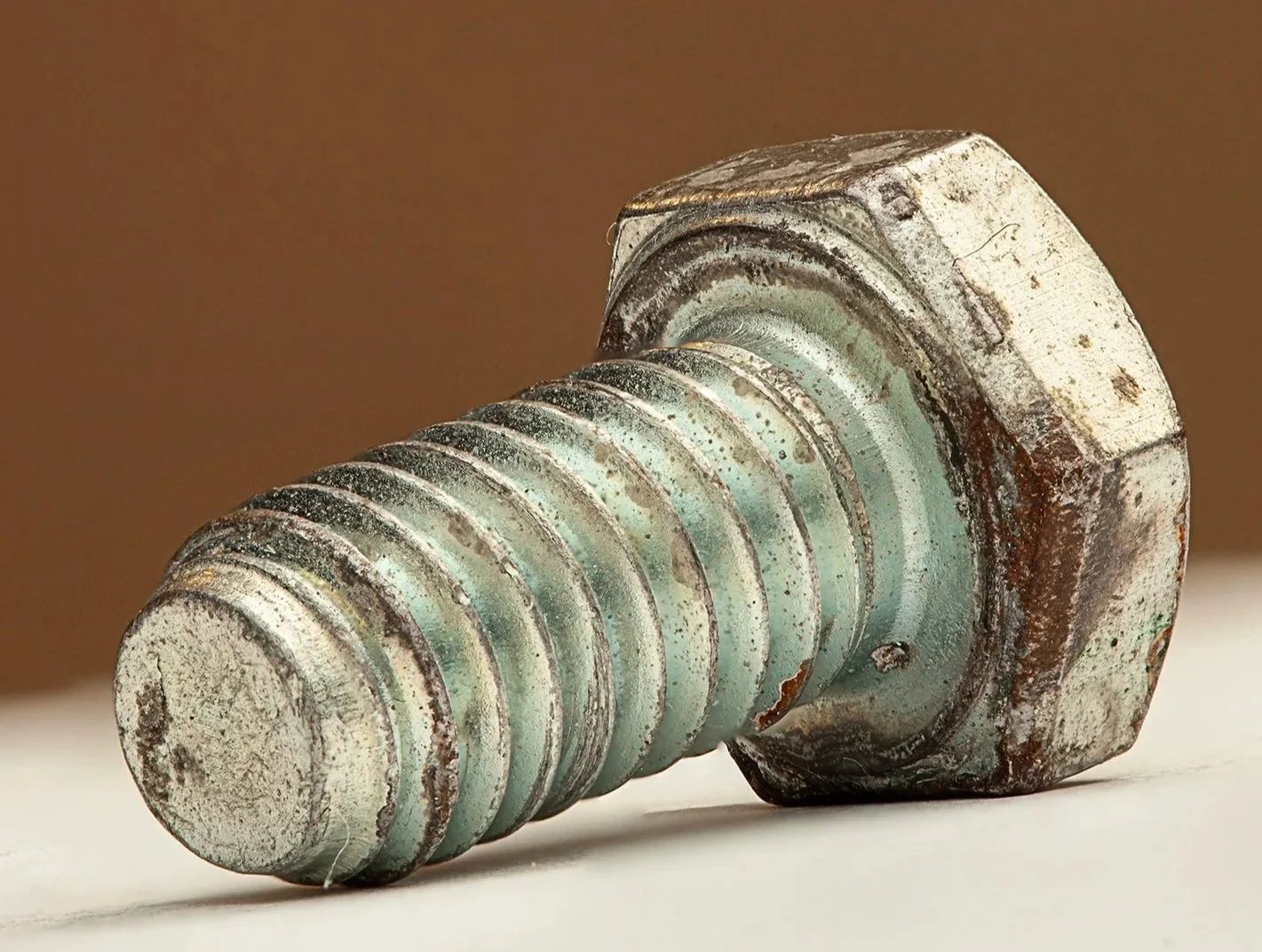
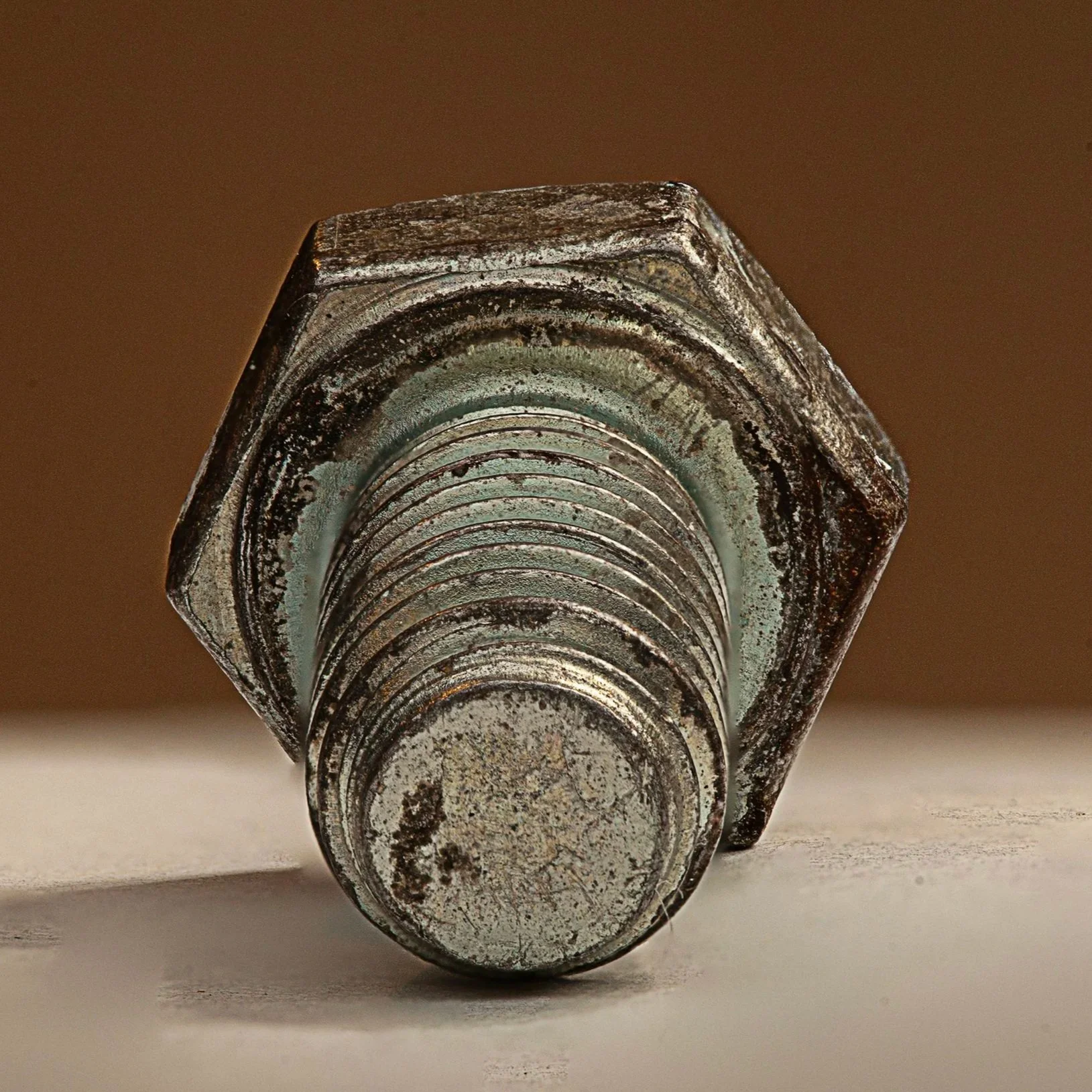
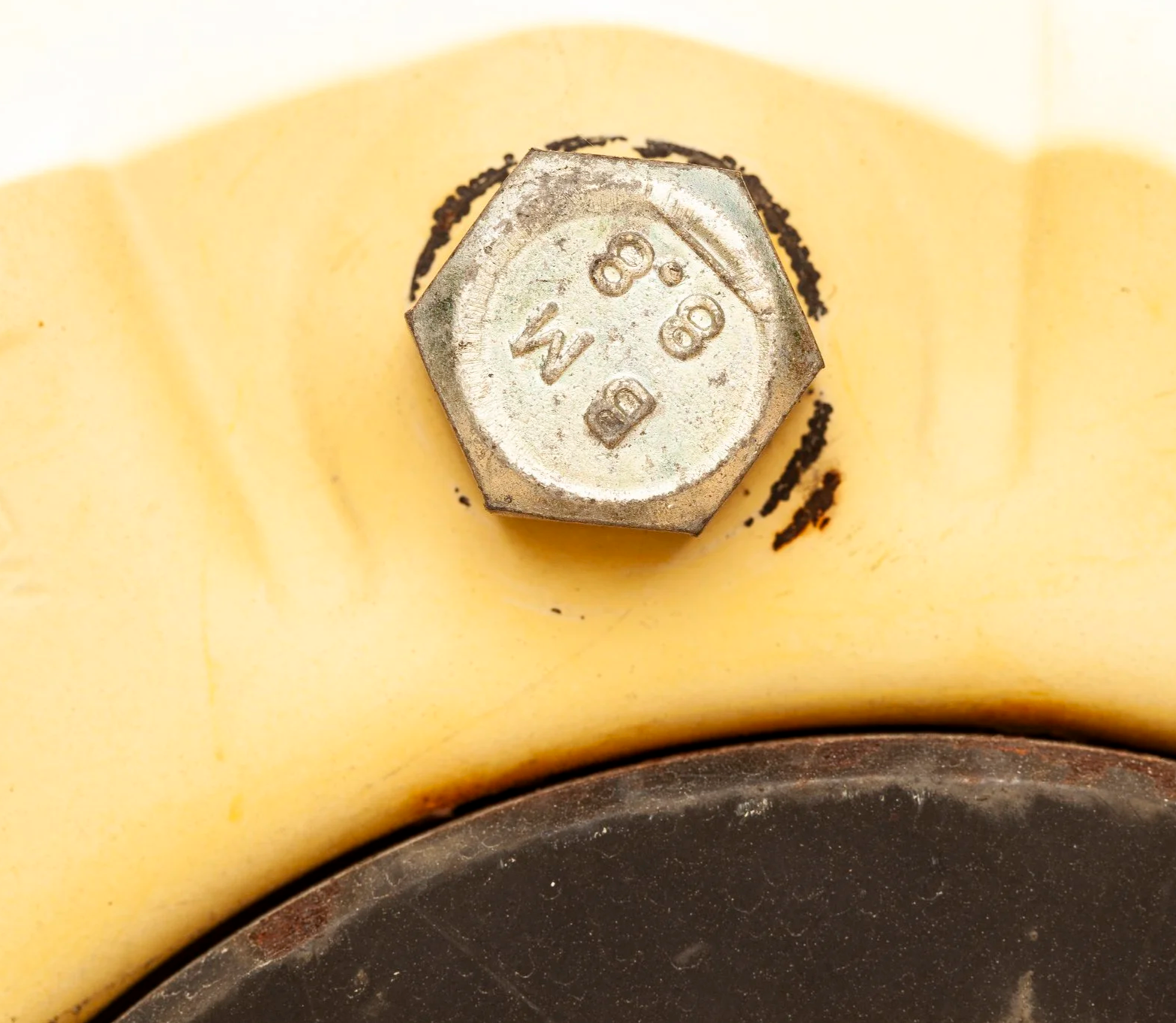
Thread Geometry Study — Hex Fastener
Objective:
Evaluate thread condition, surface wear, and material integrity.
Key Findings
• Intact thread geometry
• Visible machining marks
• Minor oxidation present
• No deformation or failure observed
Interpretation
Surface wear consistent with environmental exposure; structure remains intact.
Method
Macro imaging with diffused lighting to reveal thread form and surface detail.
👉 Explore Study →
“My background in architecture provides a strong understanding of geometry, structural relationships, and spatial design - an advantage when documenting engineered components and mechanical assemblies.” -Paula Kurzawa
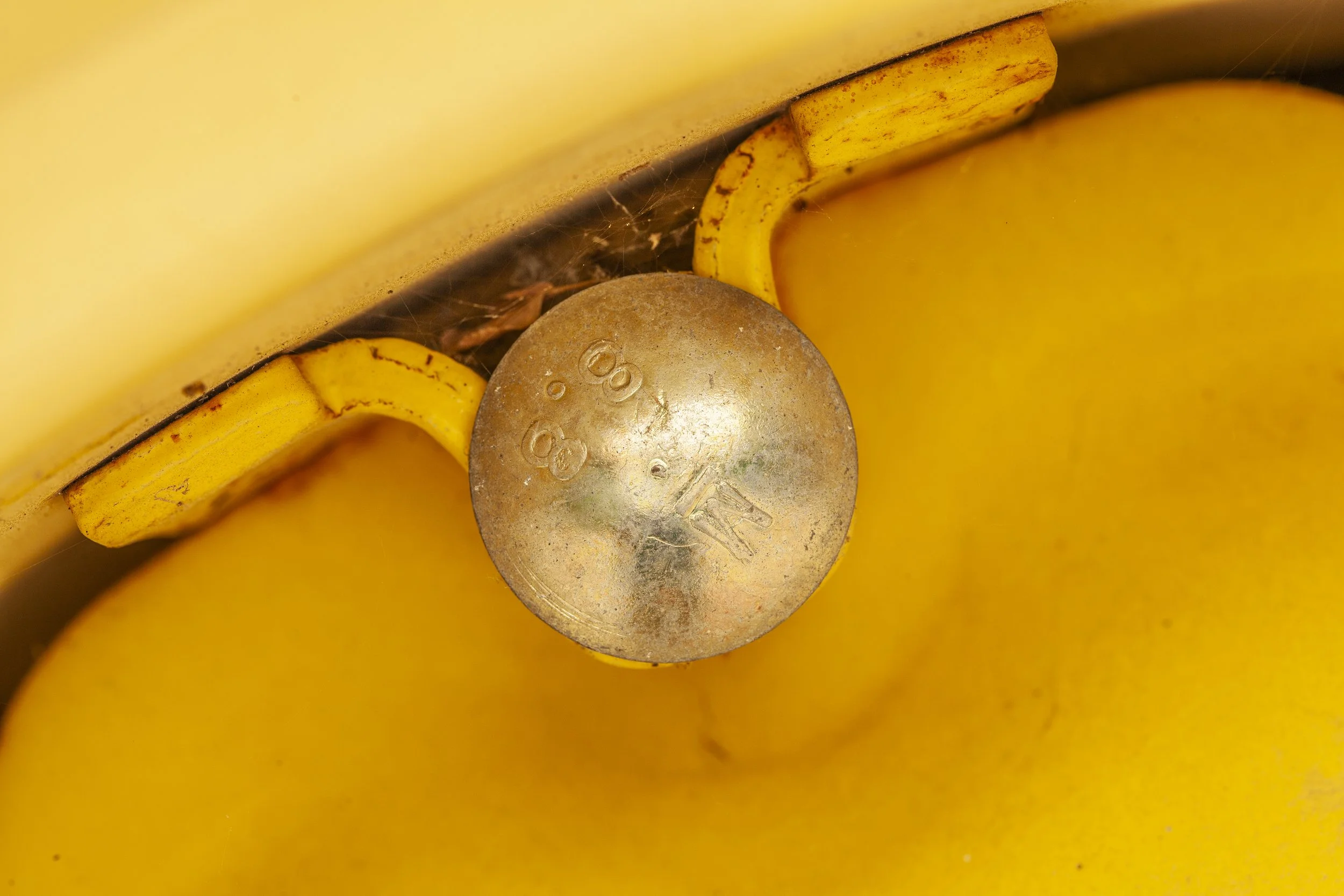
Reflective Surface Study — Metallic Component
Objective:
Evaluate surface condition and reflectivity on metallic materials.
Key Findings
• Controlled specular highlights across curved surface
• Visible micro-scratches, wear, and oxidation
• Surface imperfections revealed without glare loss
• Accurate material tone and color retention
Interpretation
Demonstrates controlled lighting of reflective surfaces while preserving surface detail and condition.
Method
Macro imaging with diffused and directional lighting to manage reflections and reveal surface texture.
👉 Explore Study →
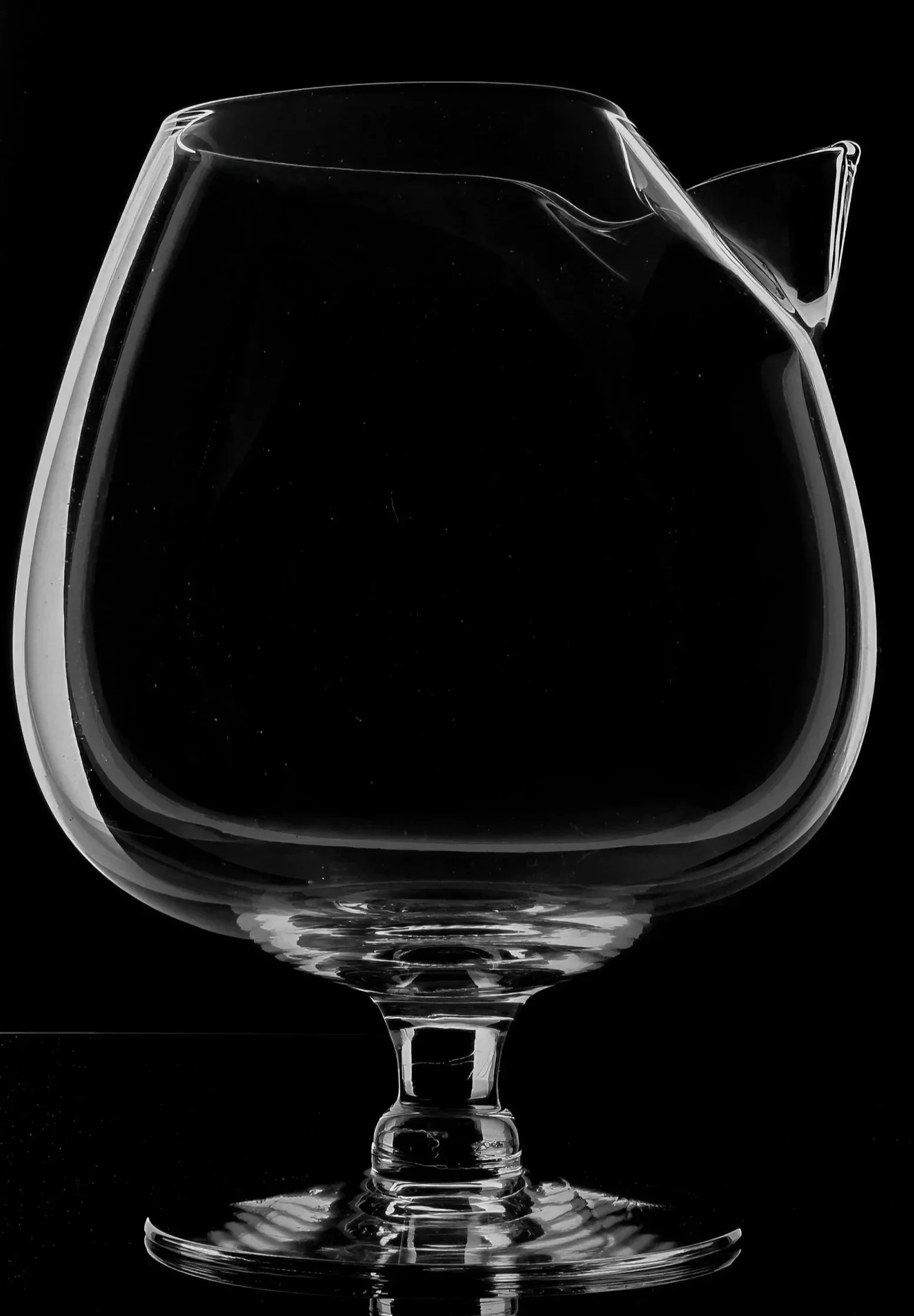
Lighting Study — Transparent Glass

Objective:
Evaluate light behavior across transparent surfaces and edges.
Key Findings
• Strong edge definition
• Controlled internal reflections
• Clean silhouette separation
Interpretation
Lighting effectively defines form without visual noise.
Method
Controlled studio lighting with high contrast background.
👉 Explore Study →
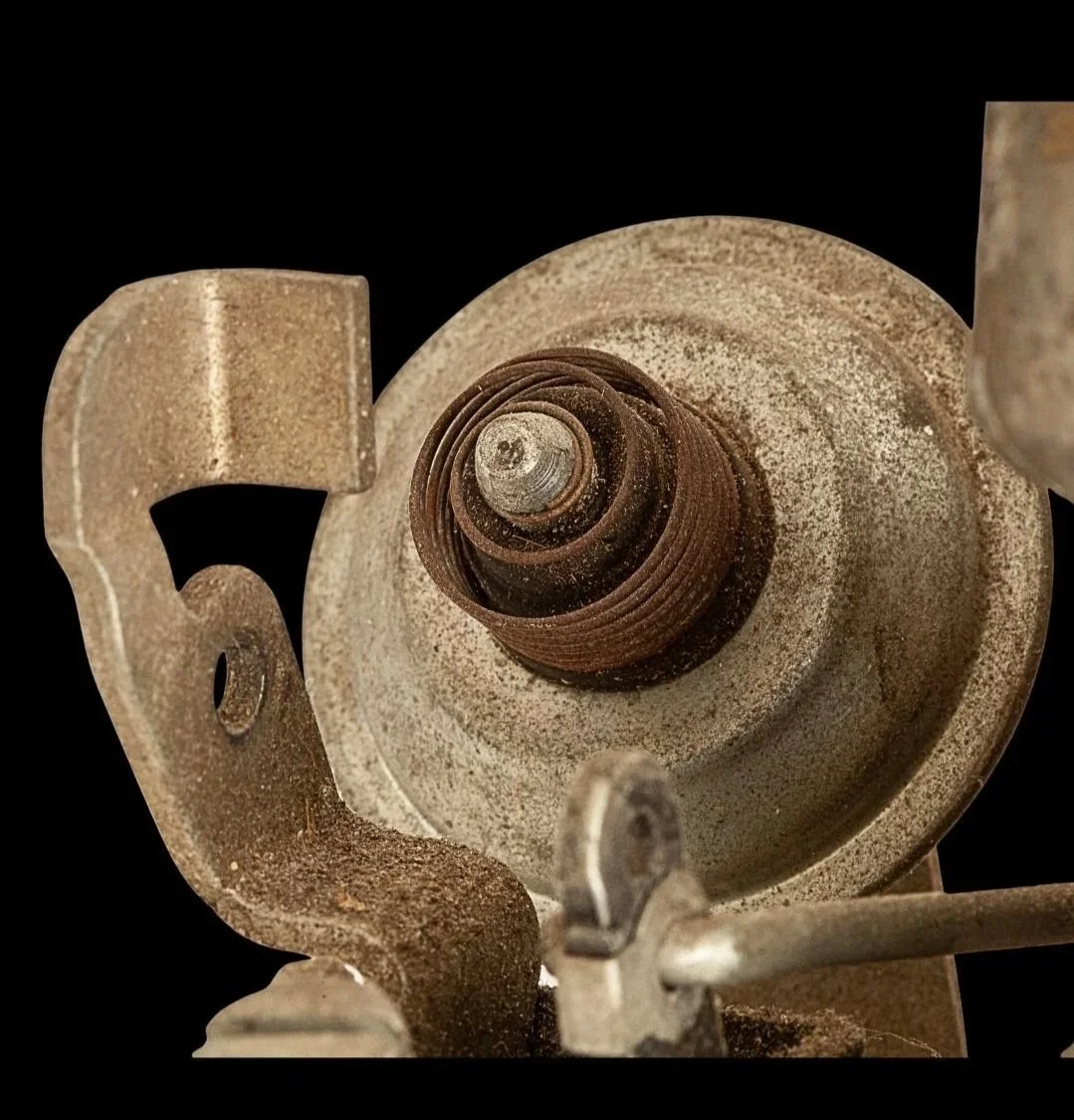
Adjustment Mechanism Study — Screw & Spring
Objective:
Assess wear and integrity of threaded adjustment and spring system.
Key Findings
• Continuous spring structure
• Intact threaded interface
• Surface debris and minor oxidation
• No visible deformation
Interpretation
Operational wear present; mechanical integrity maintained.
Method
High-magnification macro imaging with controlled directional lighting.

👉 Explore Study →
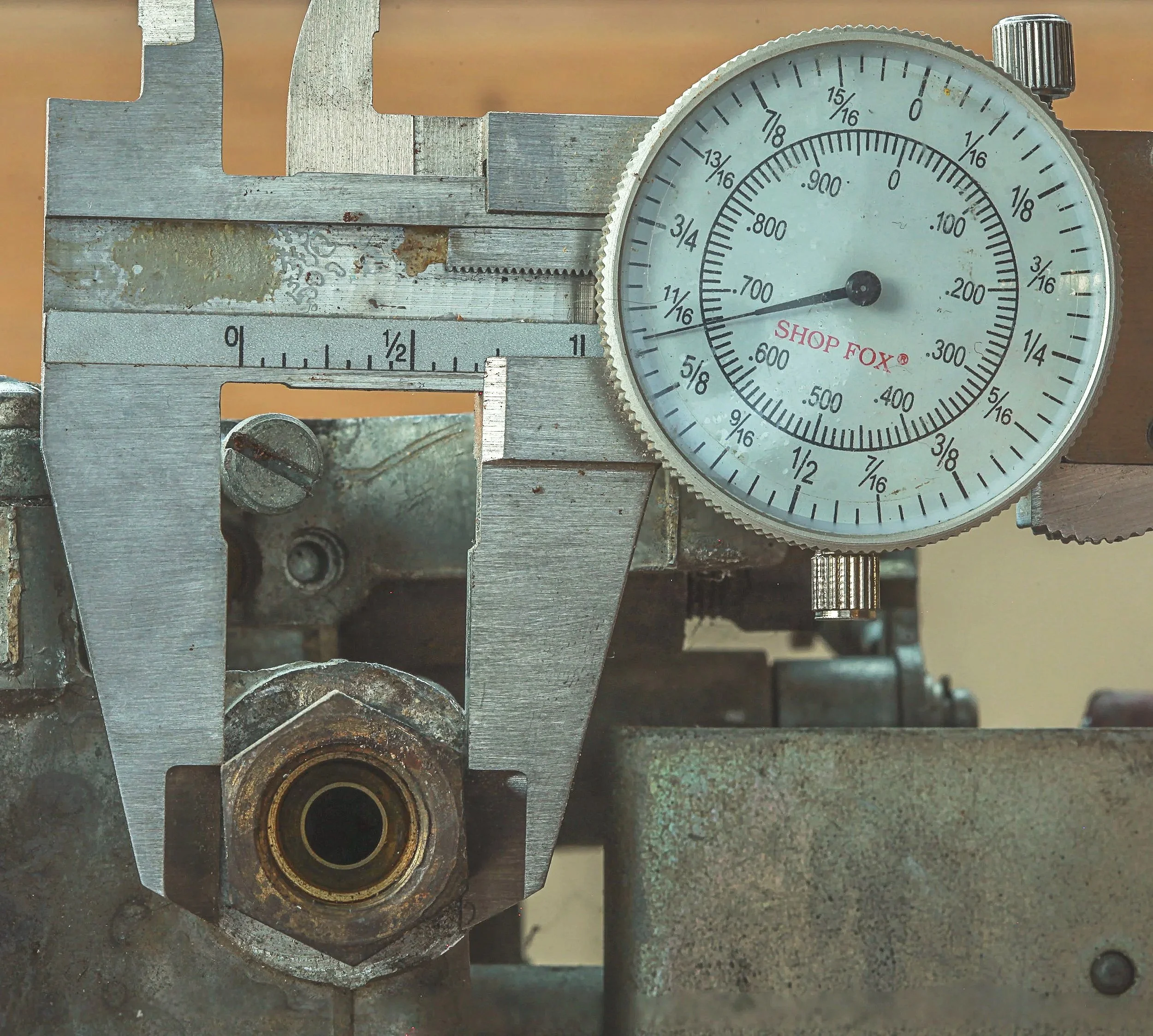
Dimensional Verification — Caliper Study
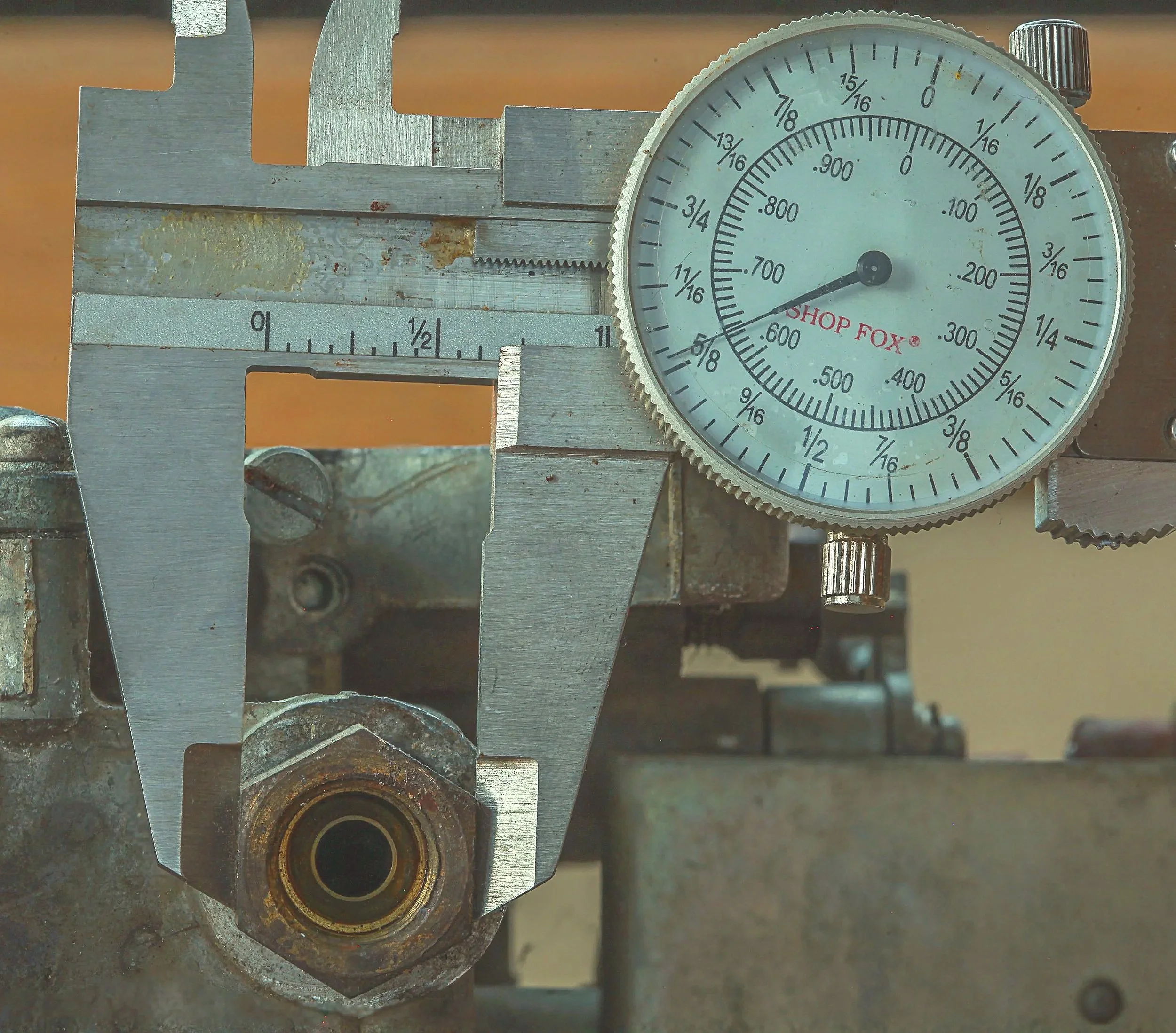
Objective:
Document dimensional accuracy and measurement interface.
Key Findings
• Clear gauge readability
• Defined contact points
• Minor surface wear on components
Interpretation
Measurement setup is stable and readable for inspection use.
Method
Controlled macro capture emphasizing scale clarity and alignment.
👉 Explore Study →
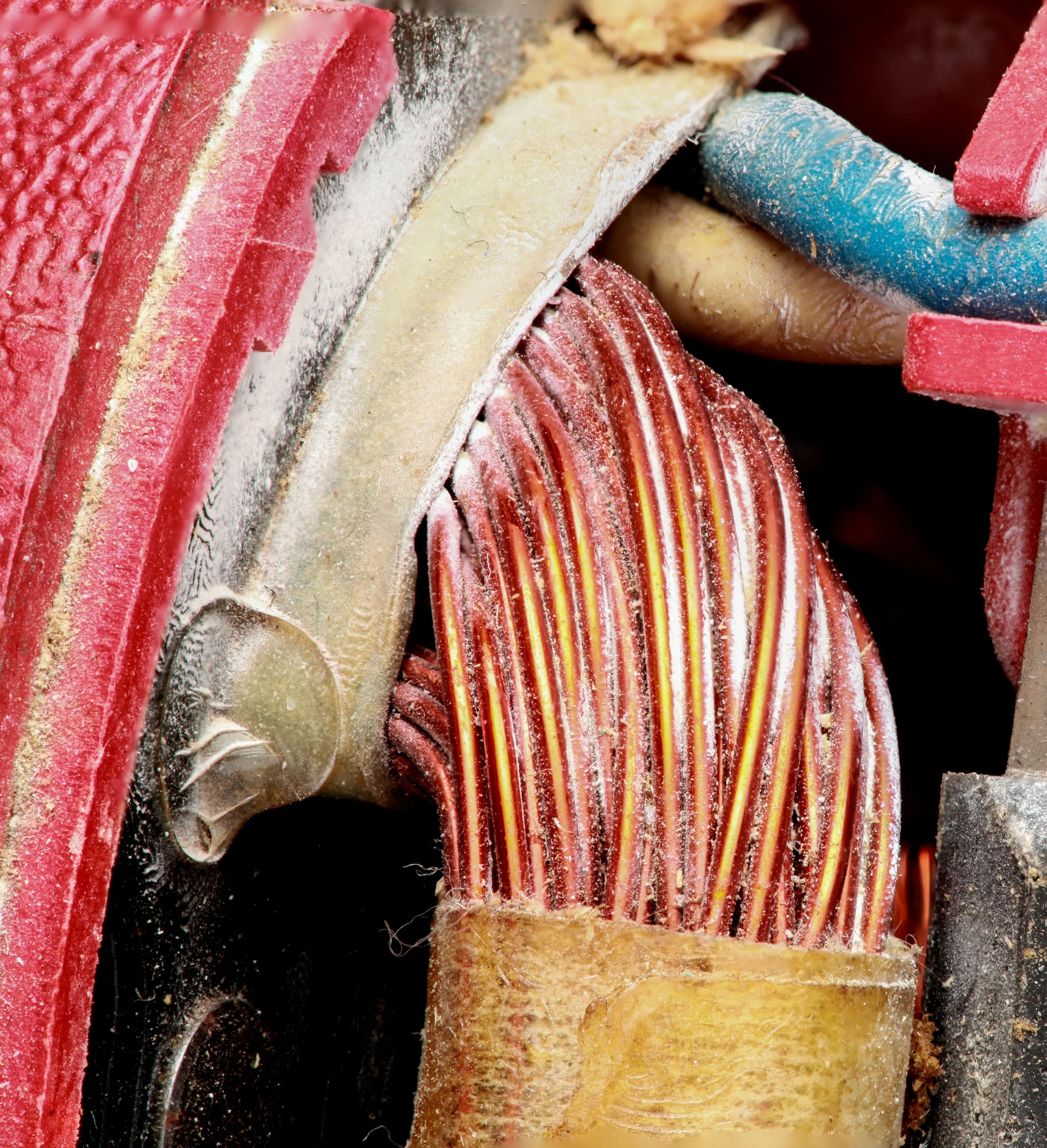
Electrical Component Study — Winding & Insulation

Objective:
Assess condition and integrity of copper windings and surrounding insulation.
Key Findings
• Copper windings intact with consistent coil structure
• Surface dust and particulate accumulation present
• Insulation material intact with minor surface wear
• No visible breaks, fraying, or conductor damage
Interpretation
Environmental contamination present; electrical structure remains intact.
Method
High-magnification macro imaging with controlled directional lighting to reveal surface condition and material interfaces.
👉 Explore Study →
Micro Surface Study — Caterpillar

Objective:
Capture fine filament structure and micro-surface detail.
Key Findings
• Dense hair-like structures
• High texture variation
• Strong edge definition
Interpretation
Demonstrates precision capture of complex micro-textures.
Method
High-magnification macro with controlled lighting and shallow depth-of-field.
👉 Explore Study →
Micro Structure Study — Bee

Objective:
Document fine surface texture and structural detail.
Key Findings
• Visible hair and segmentation
• Controlled depth separation
• Clean subject isolation
Interpretation
Effective rendering of soft, fibrous material systems.
Method
Macro capture with controlled natural lighting.

👉 Explore Study →
Automotive Concept Design
Performance-driven vehicle studies and visual exploration
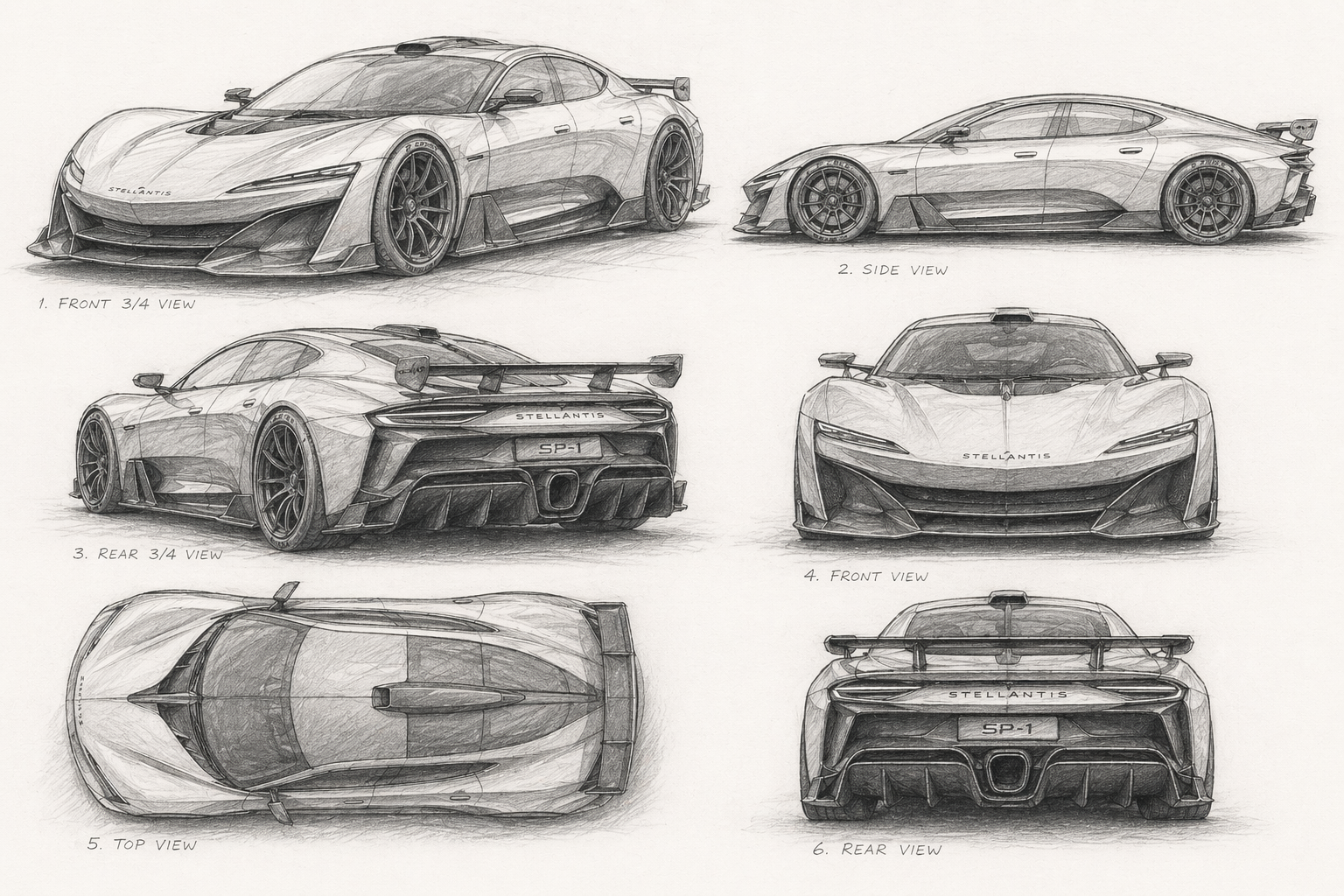
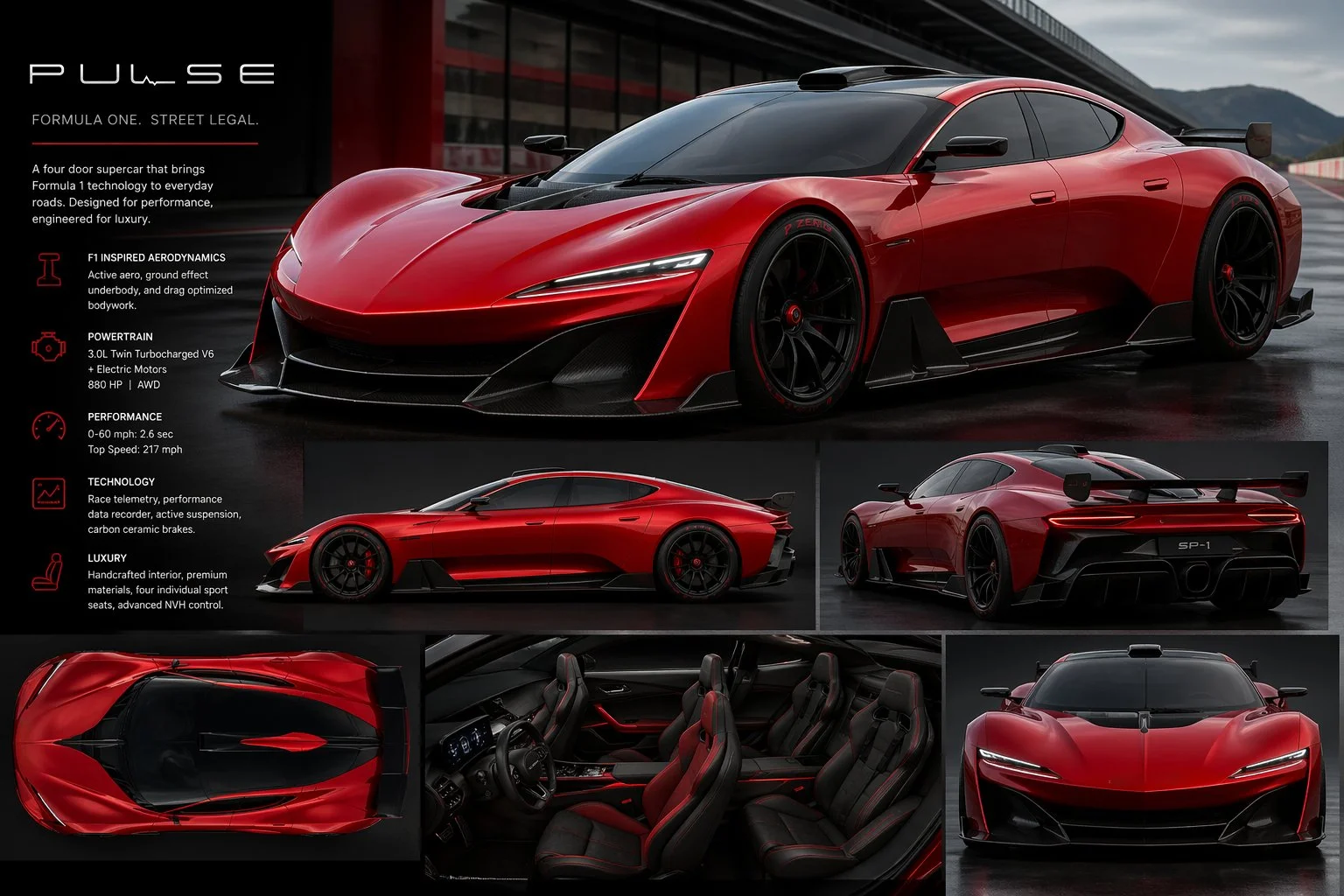
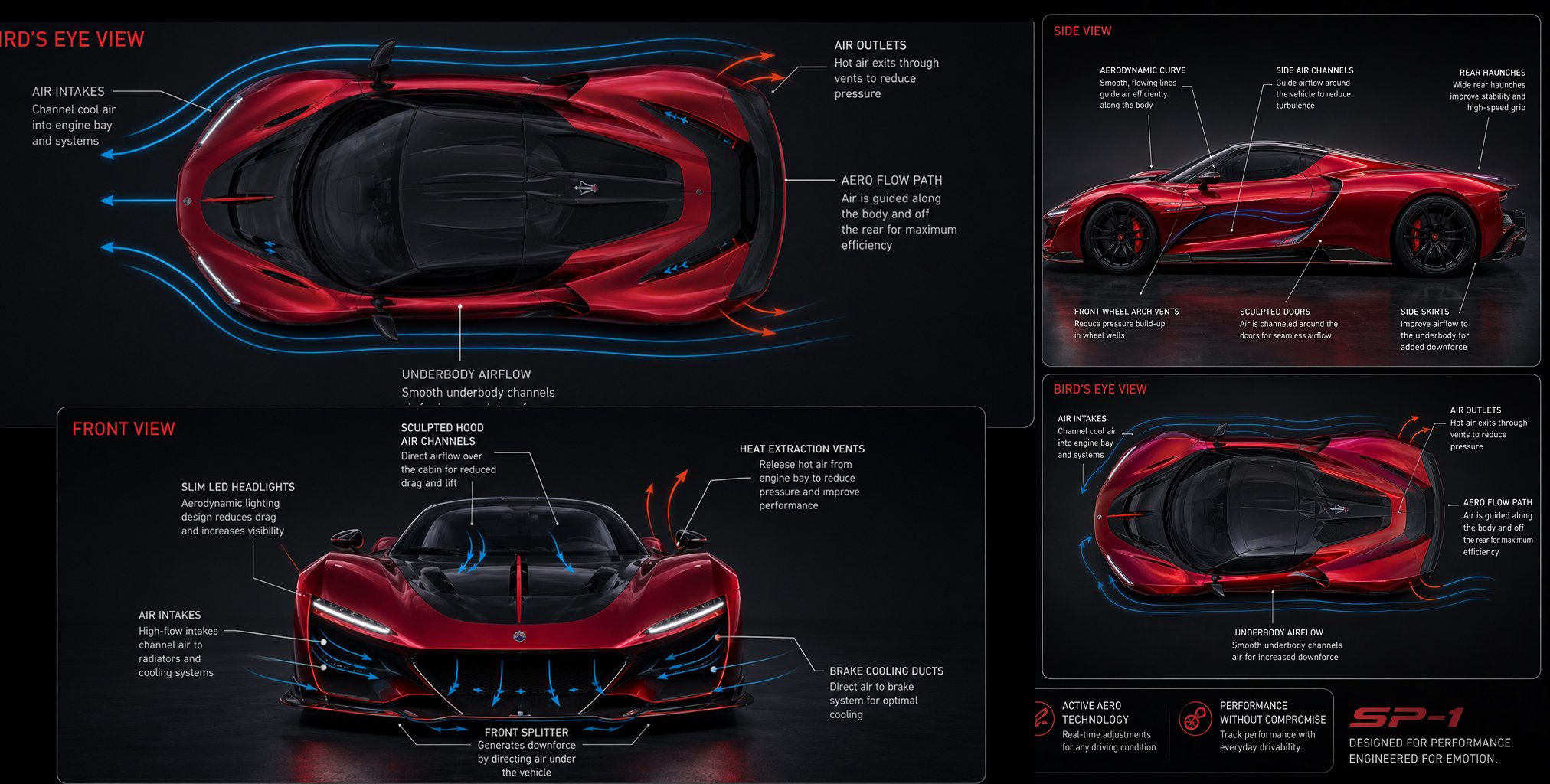
SP-1 HEARTBEAT SIGNATURE SYSTEM
A Living Light Identity that Reponds to the Pusle of Performance

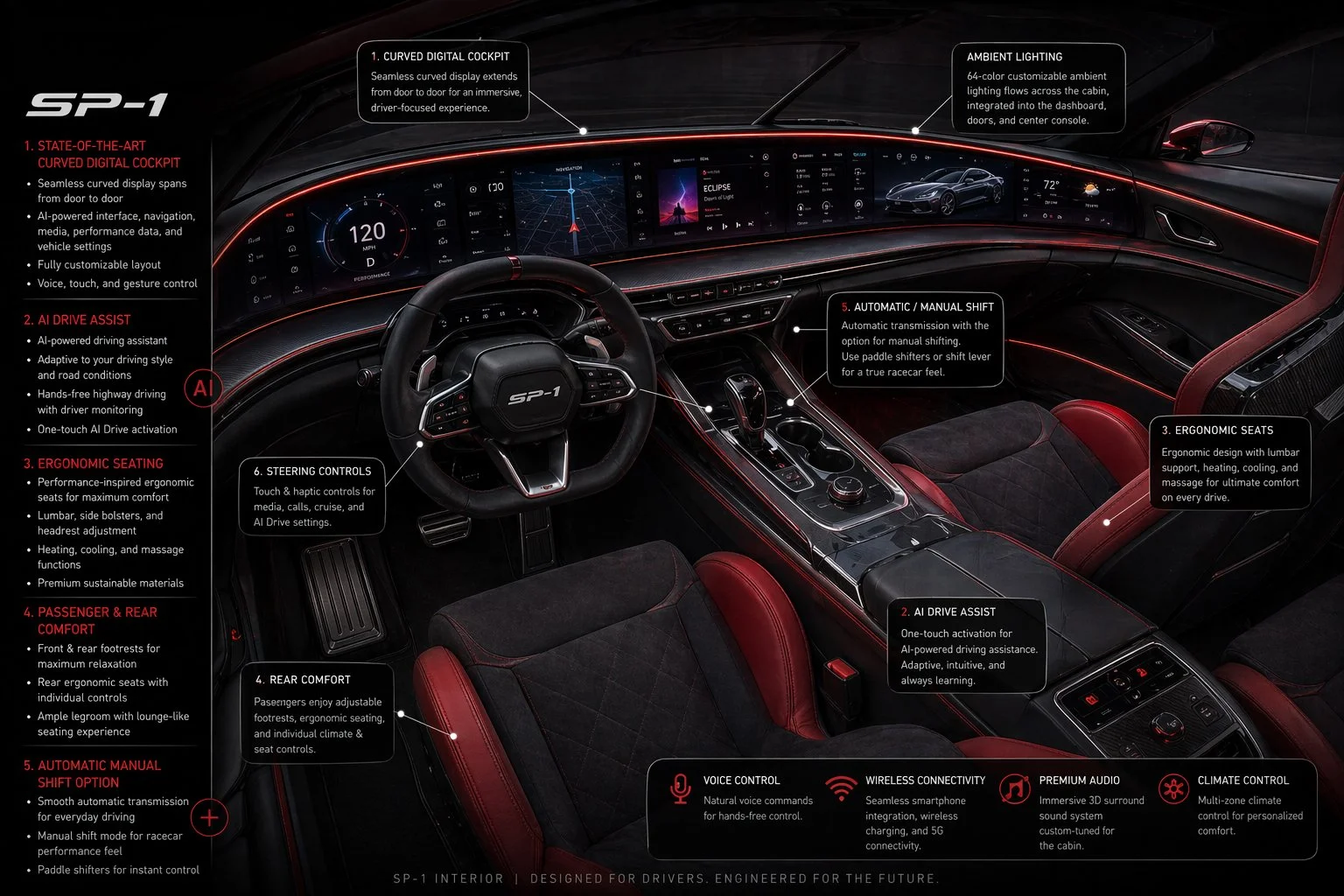
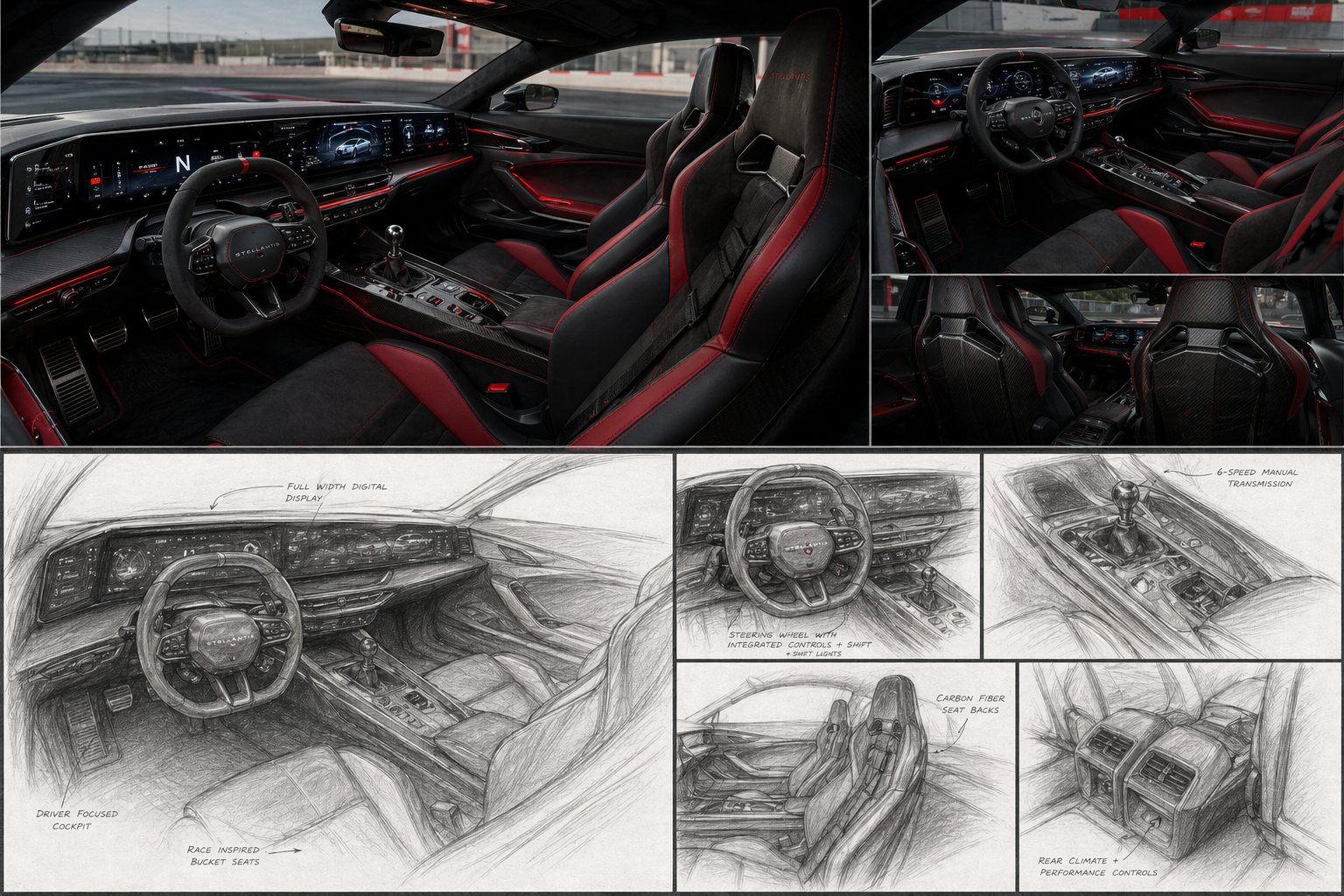
SP-1 INTERIOR
PERFORMANCE . COMFORT. INTELLIGENCE
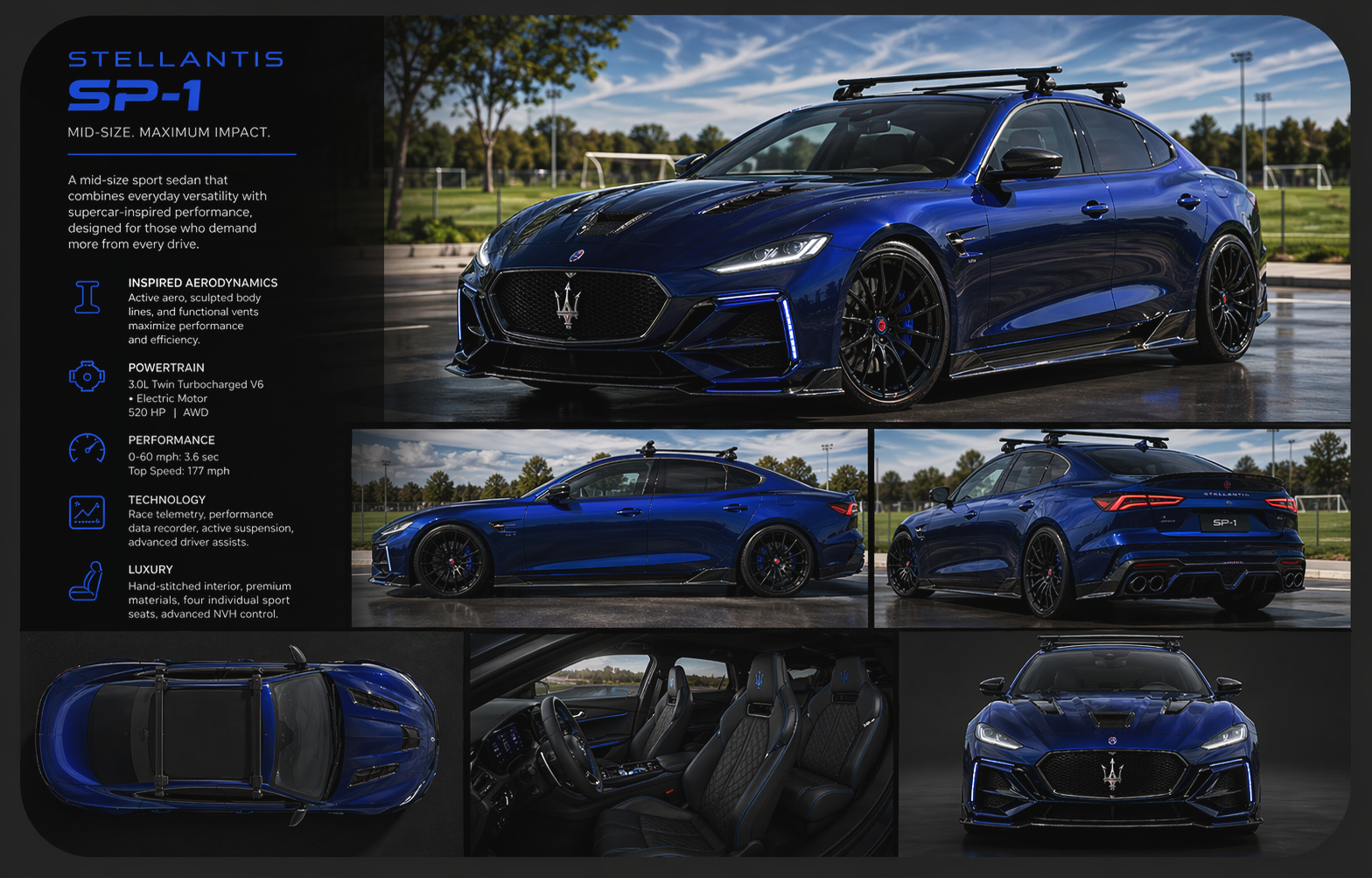
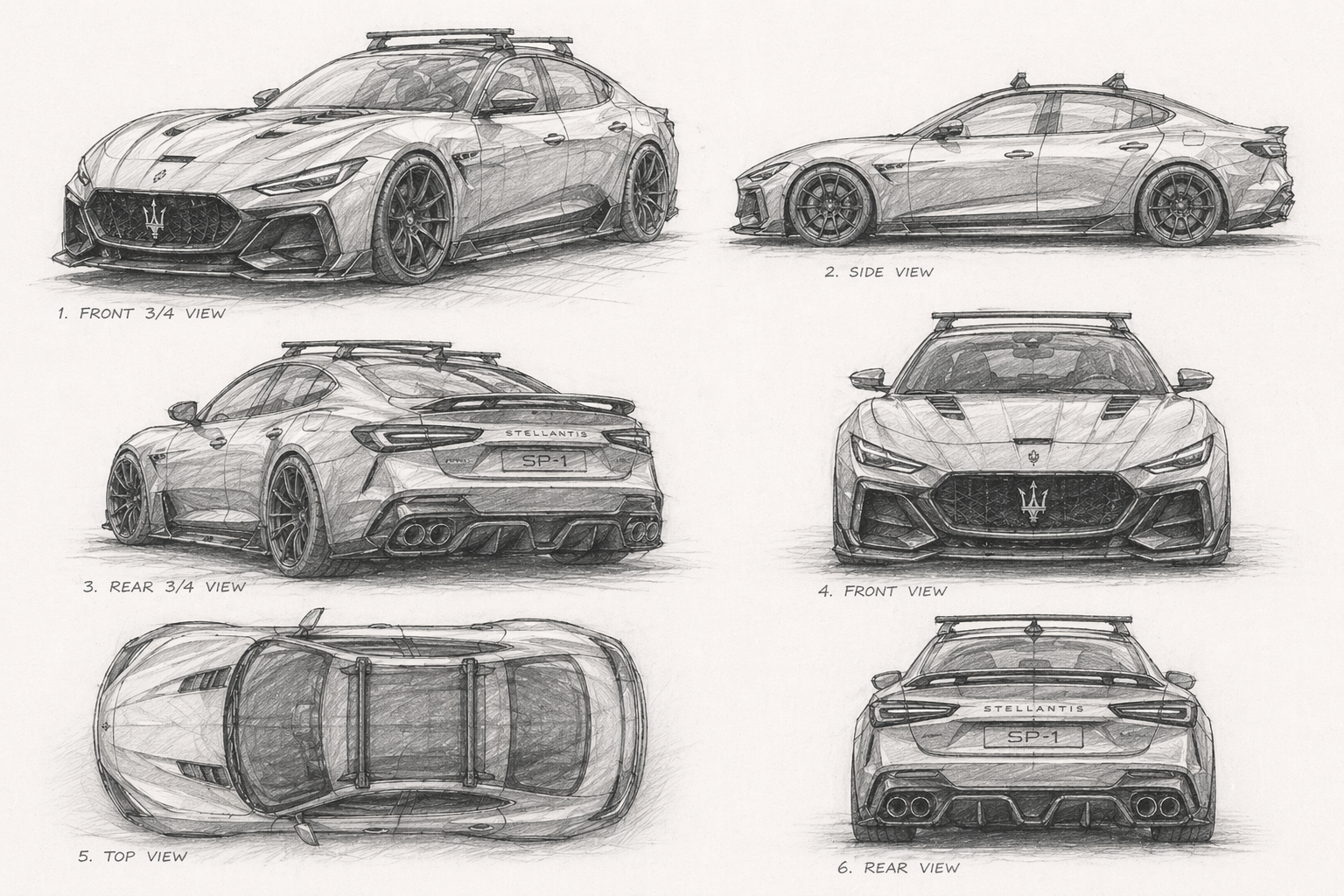
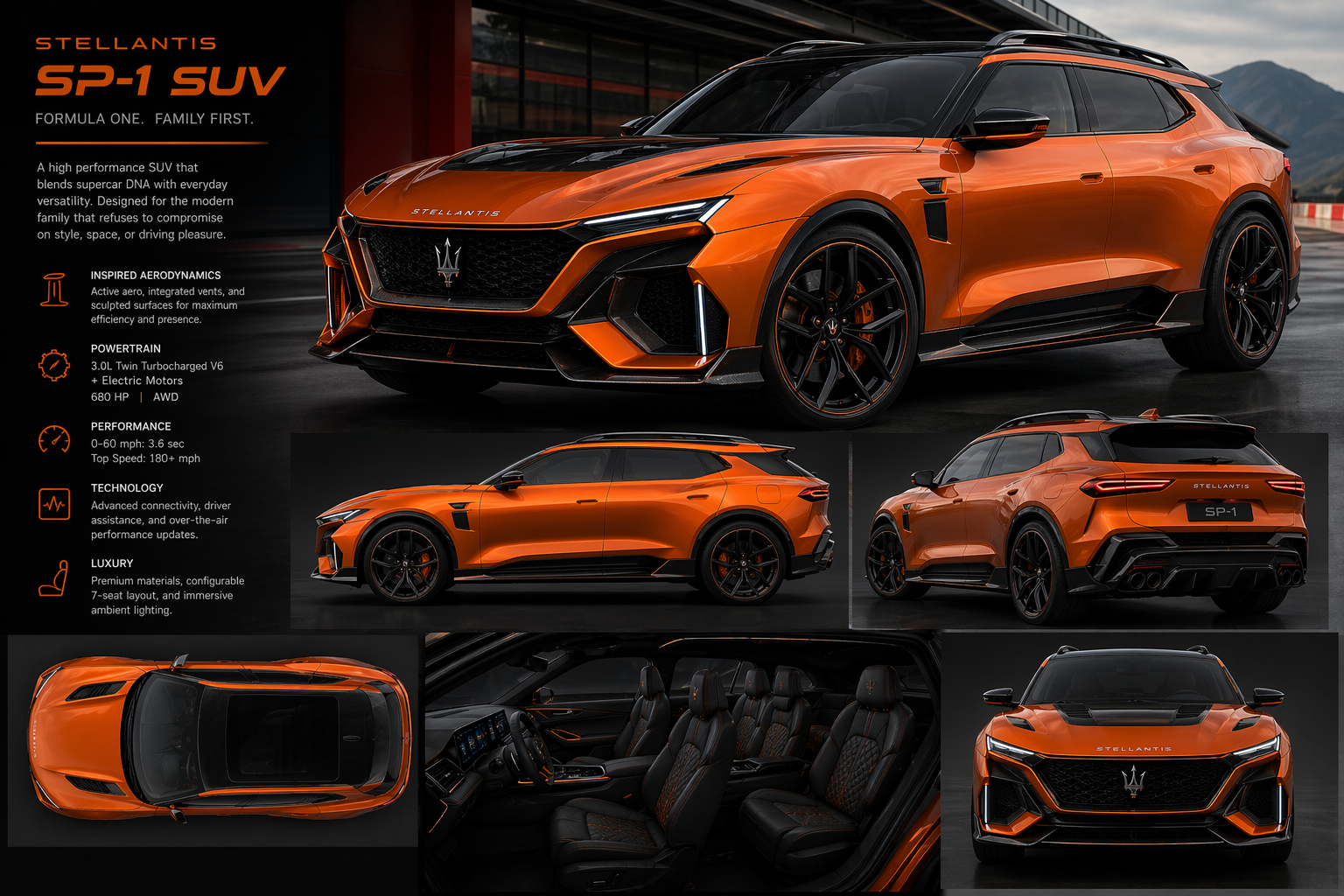
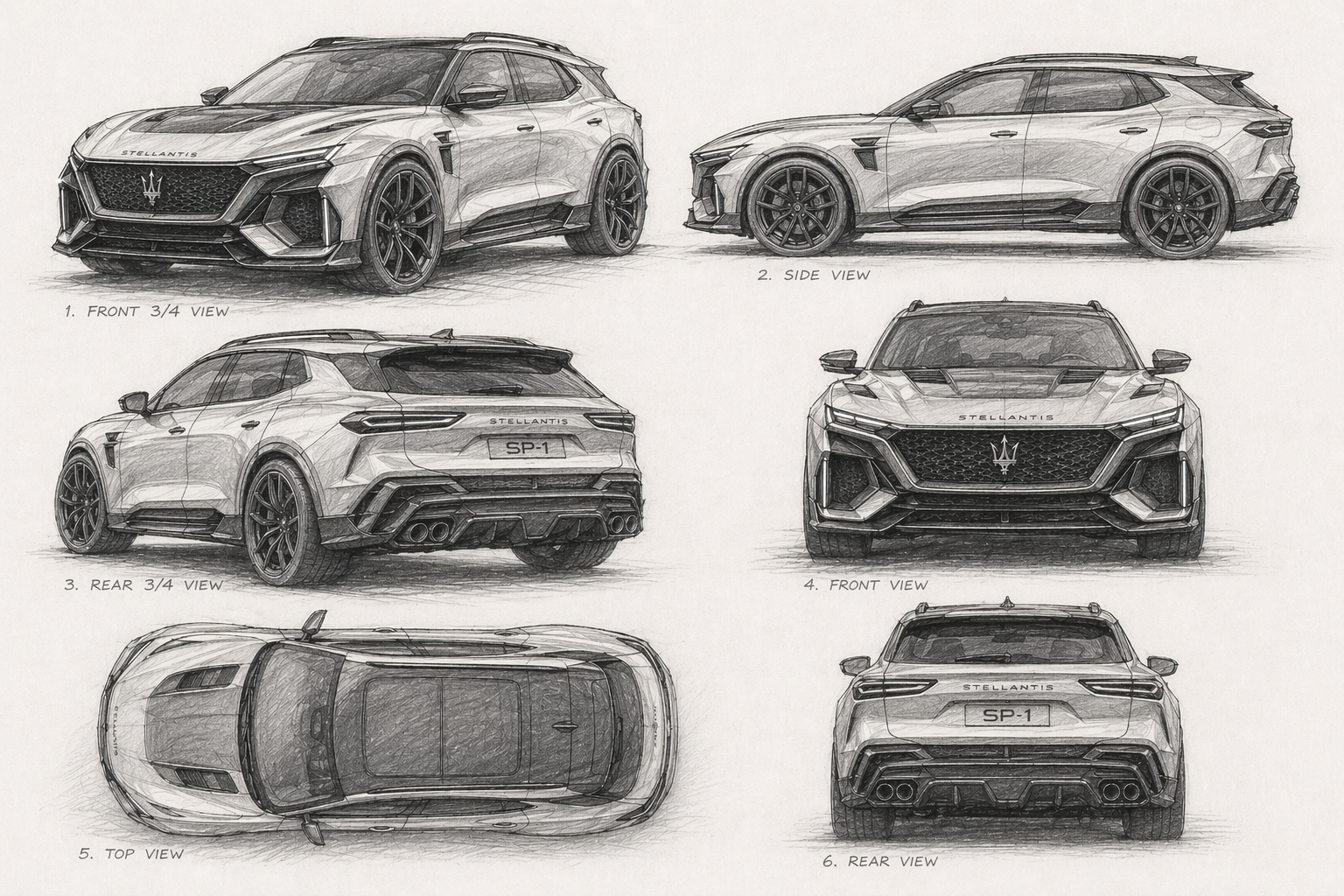
Automotive Imagery


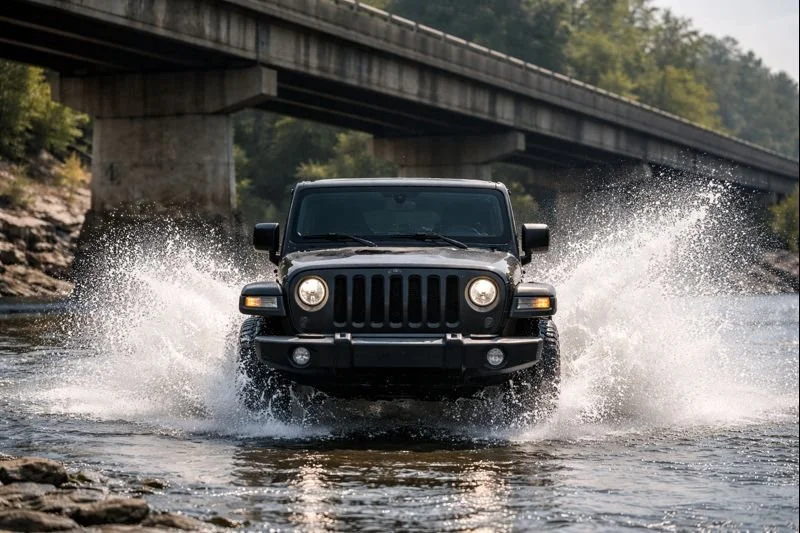
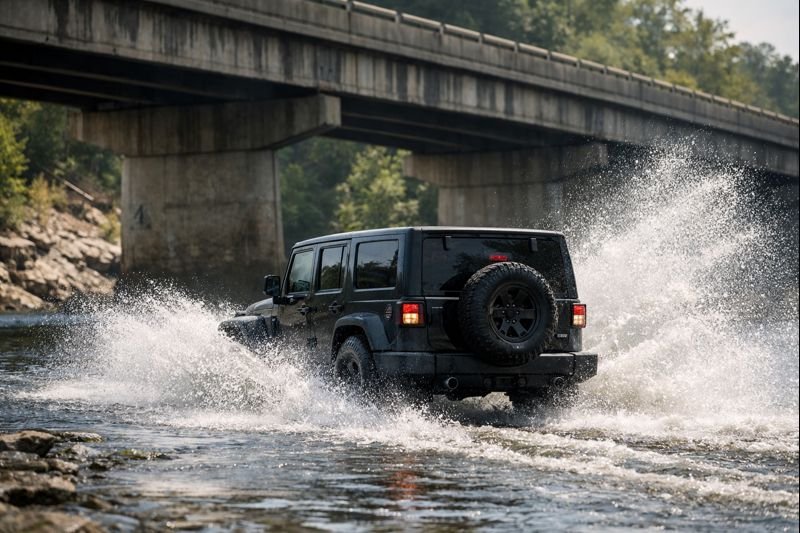
AI-Driven Vehicle Visualization Study





Additional Fields of Photography


AI-Generated Vehicle Visualization – Personal Project
Explored AI-driven video creation to generate a dynamic vehicle visualization. Demonstrates the ability to translate engineering concepts into engaging visual content, experiment with emerging technologies, and enhance presentation materials for technical and creative purposes. Project highlights skills in motion composition, digital rendering, and innovative storytelling techniques applicable to automotive imaging and documentation