Image Specifications – Insect Macro Study (Bees & Flies) – Outdoor Surface & Behavior Documentation
Camera: Canon EOS 5D Mark IV
Lens: 2× Macro Lens
Exposure Settings:
ISO: 200 (elevated to accommodate subject movement and variable ambient light)
Aperture: f/13 (to preserve depth-of-field across body segmentation, wings, and surface texture)
Shutter Speed: 1/250 sec (to arrest motion from live insect activity)
Lighting:
Predominantly natural daylight illumination
Supplemental on-camera flash with Cygnustech diffuser used as controlled fill to stabilize exposure and reveal micro-surface detail
Diffusion applied to reduce specular highlights on wings and exoskeleton surfaces
Stability:
Tripod-mounted
Short burst sequences to maintain alignment for partial stacking
Fixed working distance maintained during focus shifts
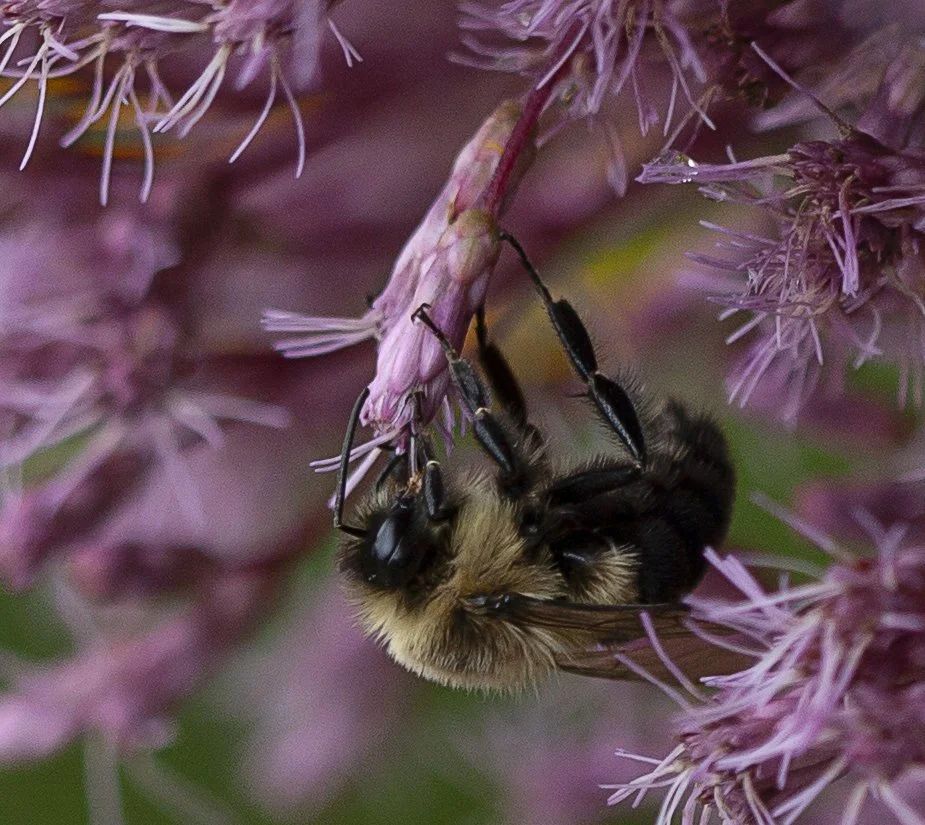
Insect Structural Detail Under High-Magnification Macro
Purpose
Document fine surface texture, soft material transitions, and complex micro-geometry to demonstrate high-magnification imaging techniques applicable to automotive materials such as textiles, insulation, and soft-touch components.
Technique
High-magnification macro photography using controlled natural lighting to balance shadow and highlight across varied surface types. Focus and exposure were carefully managed to maintain clarity across layered forms, including soft fibers, rigid structures, and organic connections within the scene.
Testing Notes
This study emphasizes the capture of ultra-fine surface detail, including hair-like fibers, joint articulation, and subtle material transitions. The subject serves as an analog for automotive applications involving soft materials and textured surfaces, where accurate representation of depth, edge definition, and tactile quality is critical. The image demonstrates the ability to resolve complex micro-textures while maintaining subject separation and overall visual clarity, supporting inspection-level documentation and material evaluation.

Purpose
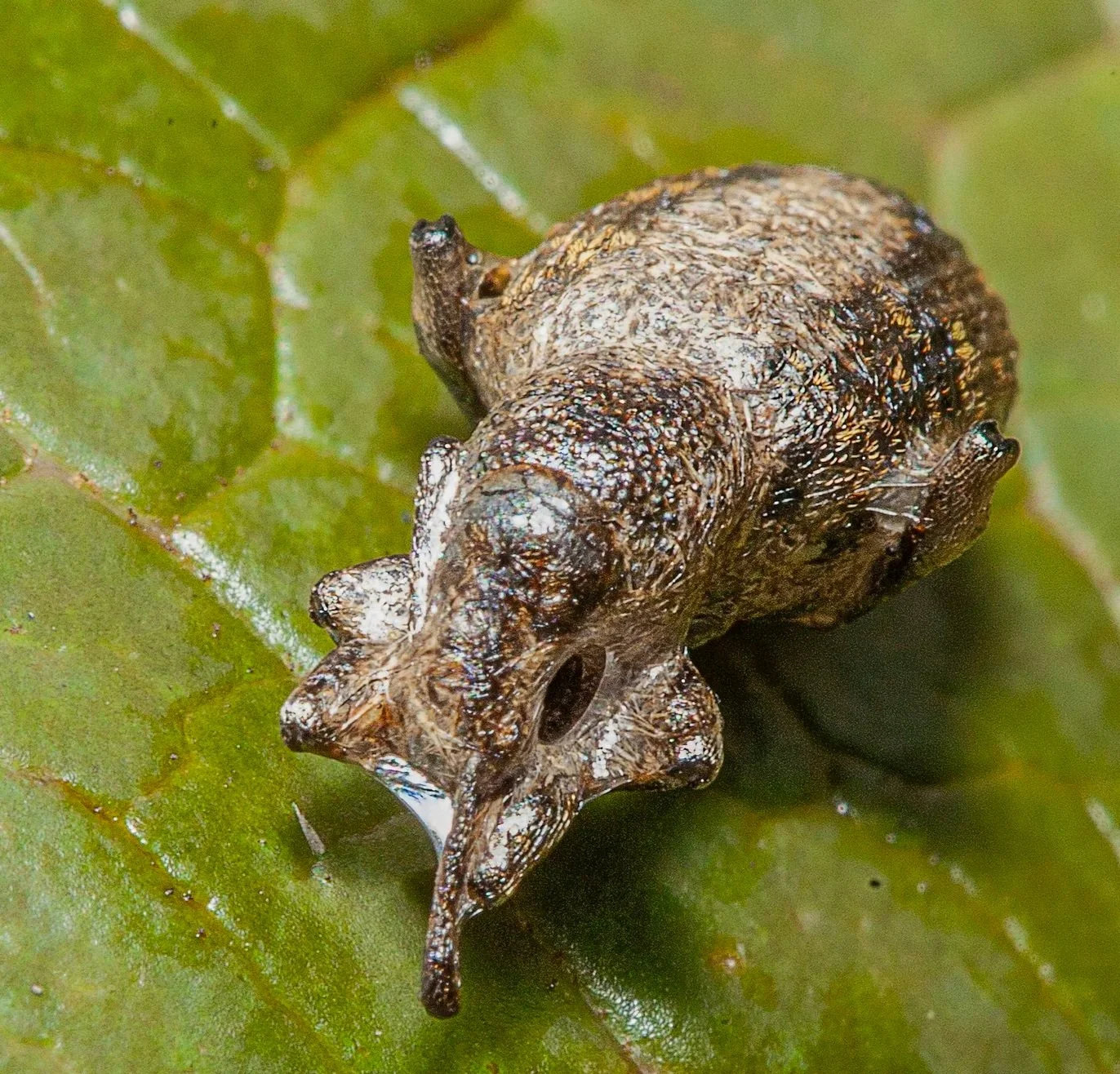
Document an ultra-small subject at pinhead scale to demonstrate precision imaging of micro-surfaces, complex geometry, and fine material variation—skills directly applicable to capturing small automotive components and detailed surface finishes.
Technique
Extreme macro photography with controlled lighting and ultra-shallow depth-of-field to isolate the subject and reveal fine surface detail. Focus stacking and precise alignment were used to maintain clarity across critical features while preserving separation from the surrounding environment.
Testing Notes
This study emphasizes the challenges of capturing complex form and surface texture at an extremely small scale. Particular attention was given to resolving fine irregularities, reflective highlights, and subtle material transitions across the subject’s surface. The results demonstrate the ability to produce inspection-level imagery of minute components, where accuracy, edge definition, and controlled lighting are essential—directly translating to automotive applications such as micro-textured finishes, precision hardware, and detailed material evaluation.
Click here to return to the main portfolio pages
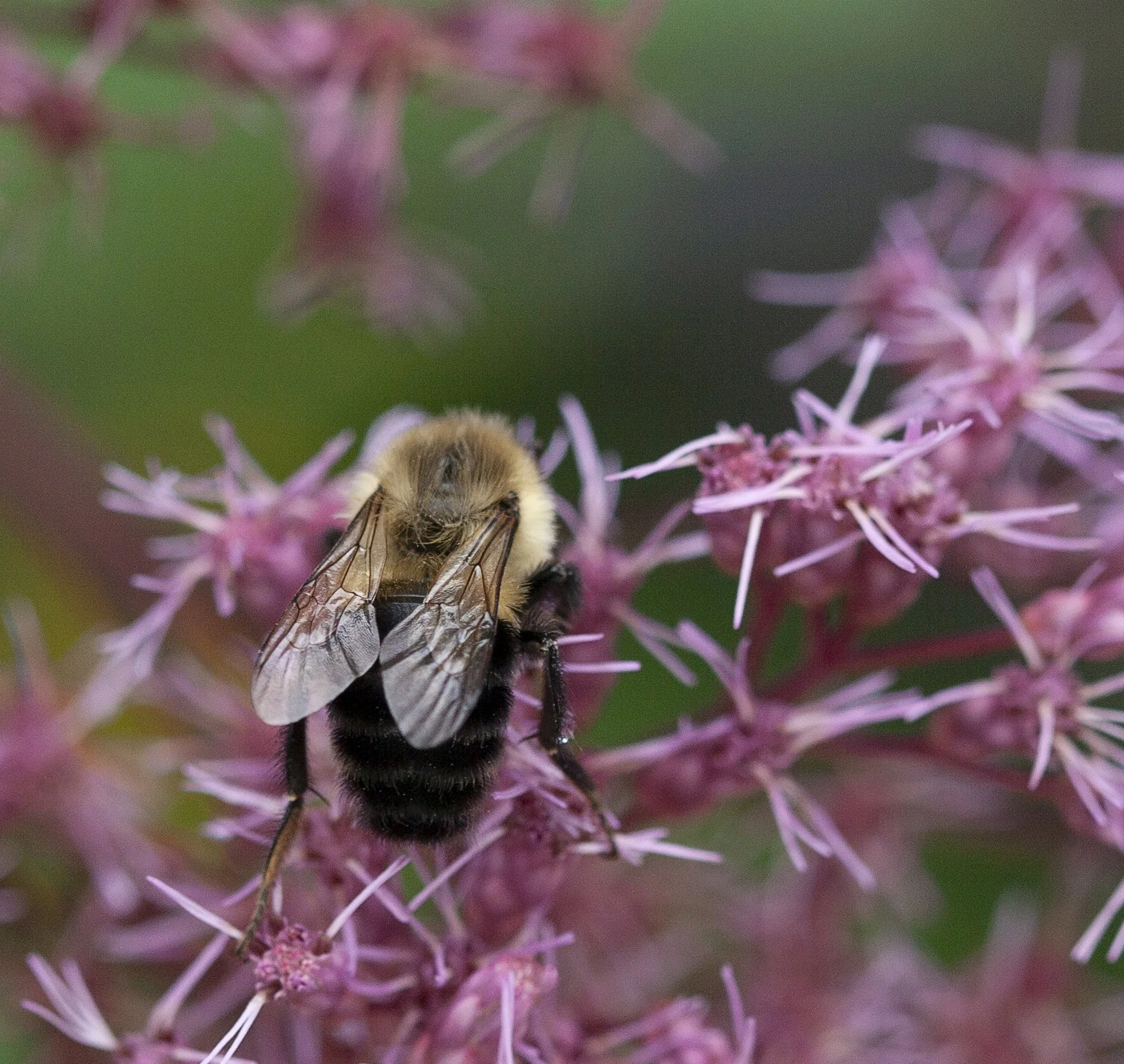
Wing Structure and Surface Texture (Macro Detail Study)
Purpose
Capture extreme fine surface detail and filament-like structures to demonstrate high-resolution imaging techniques applicable to automotive materials such as fibers, insulation, and micro-textured surfaces.
Technique
High-magnification macro photography with controlled lighting to isolate the subject against a dark background, enhancing edge definition and contrast. Depth-of-field was carefully managed to maintain focus on the subject’s central features while allowing peripheral elements to fall off, emphasizing dimensionality and structure.
Testing Notes
This study focuses on the accurate rendering of ultra-fine, hair-like filaments and their interaction with light, highlighting challenges similar to capturing fibrous automotive materials and textured surfaces. Attention was given to preserving individual strand separation, minimizing visual noise, and maintaining clarity at the point of focus. The image demonstrates the ability to document highly complex, delicate structures with precision, supporting applications in material inspection, surface evaluation, and detailed component analysis.
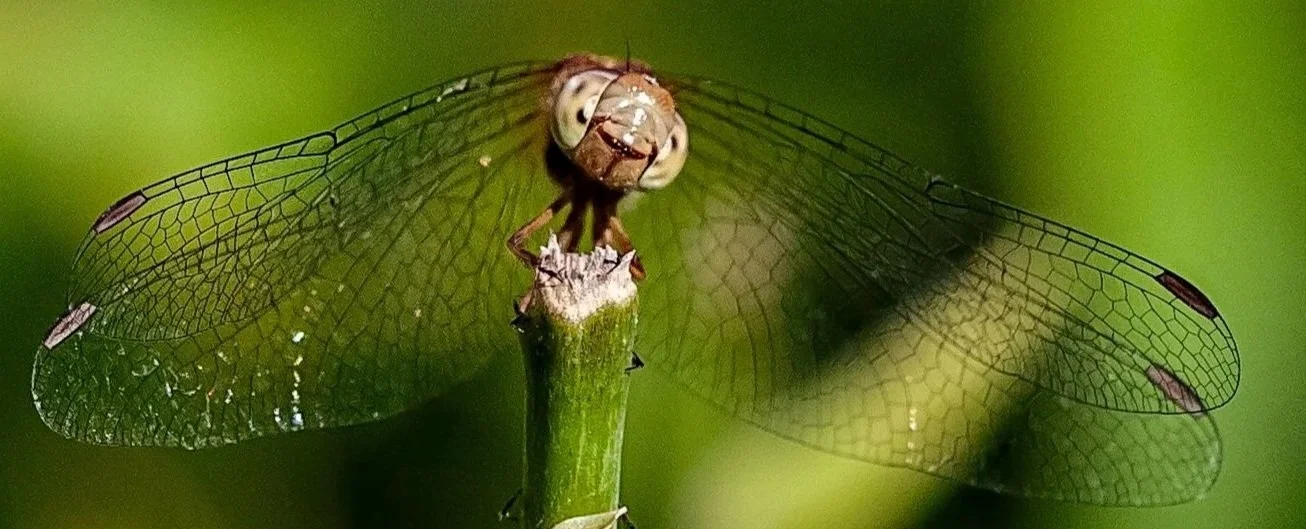
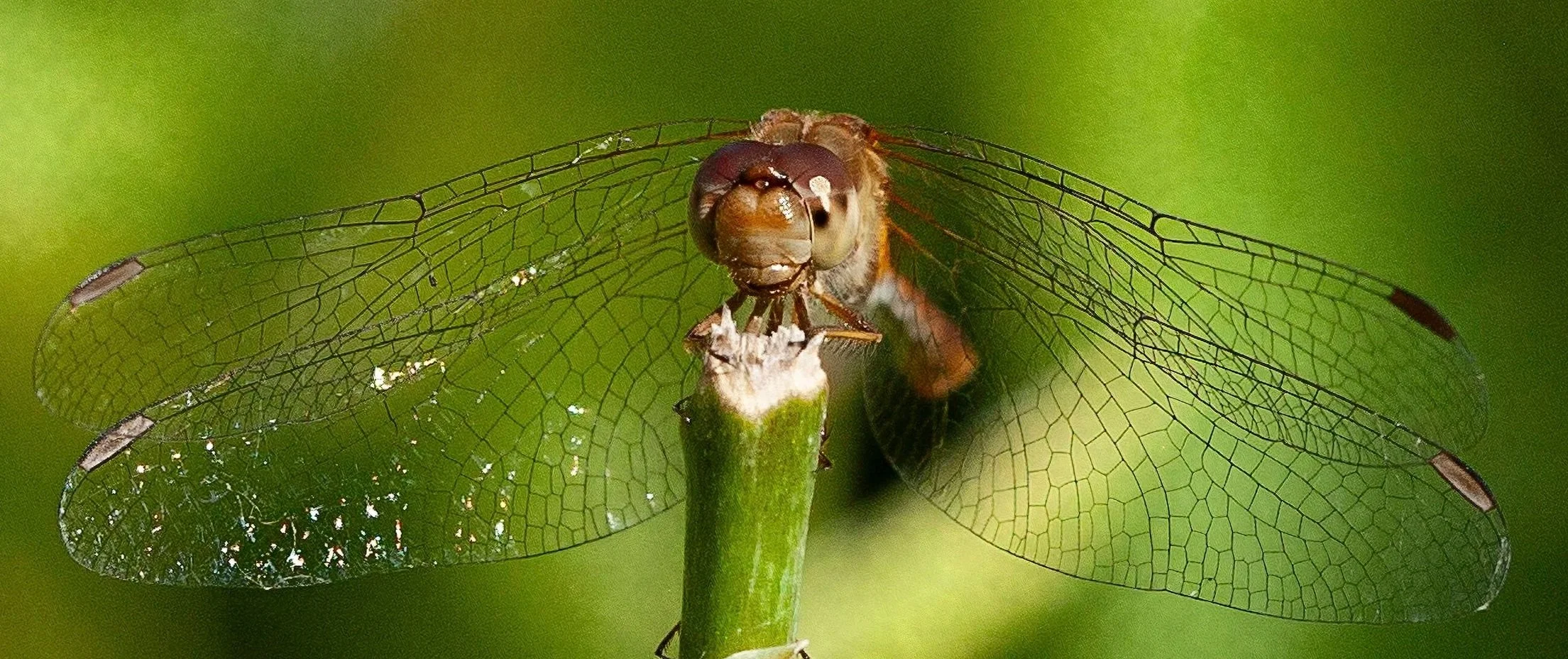
Purpose
Capture subtle behavioral variation and fine structural detail in a semi-transparent subject to demonstrate precision timing, focus control, and high-resolution imaging applicable to dynamic automotive surfaces and lighting elements.
Technique
High-magnification macro photography using controlled natural lighting and shallow depth-of-field to isolate the subject while maintaining clarity across delicate wing structures. Sequential captures were used to document momentary changes in the subject, requiring precise timing and focus alignment.
Testing Notes
This study compares two images of the same subject, highlighting a rare moment where the dragonfly’s eyes are fully open—an instance that occurs briefly and requires precise capture timing. The images demonstrate the ability to maintain consistent focus, exposure, and structural clarity across multiple captures while documenting subtle changes in form. Particular attention was given to preserving transparency, vein detail, and edge definition within the wings. This work translates directly to automotive imaging scenarios where capturing transient states—such as lighting activation, reflective changes, or moving components—requires both technical precision and timing accuracy.