
PAULA M. KURZAWA
Material & Surface Imaging for Automotive Design
Where material, light, and form are analyzed—not just photographed
Demonstrates ability to document thread wear, corrosion, and surface condition with inspection-level clarity.

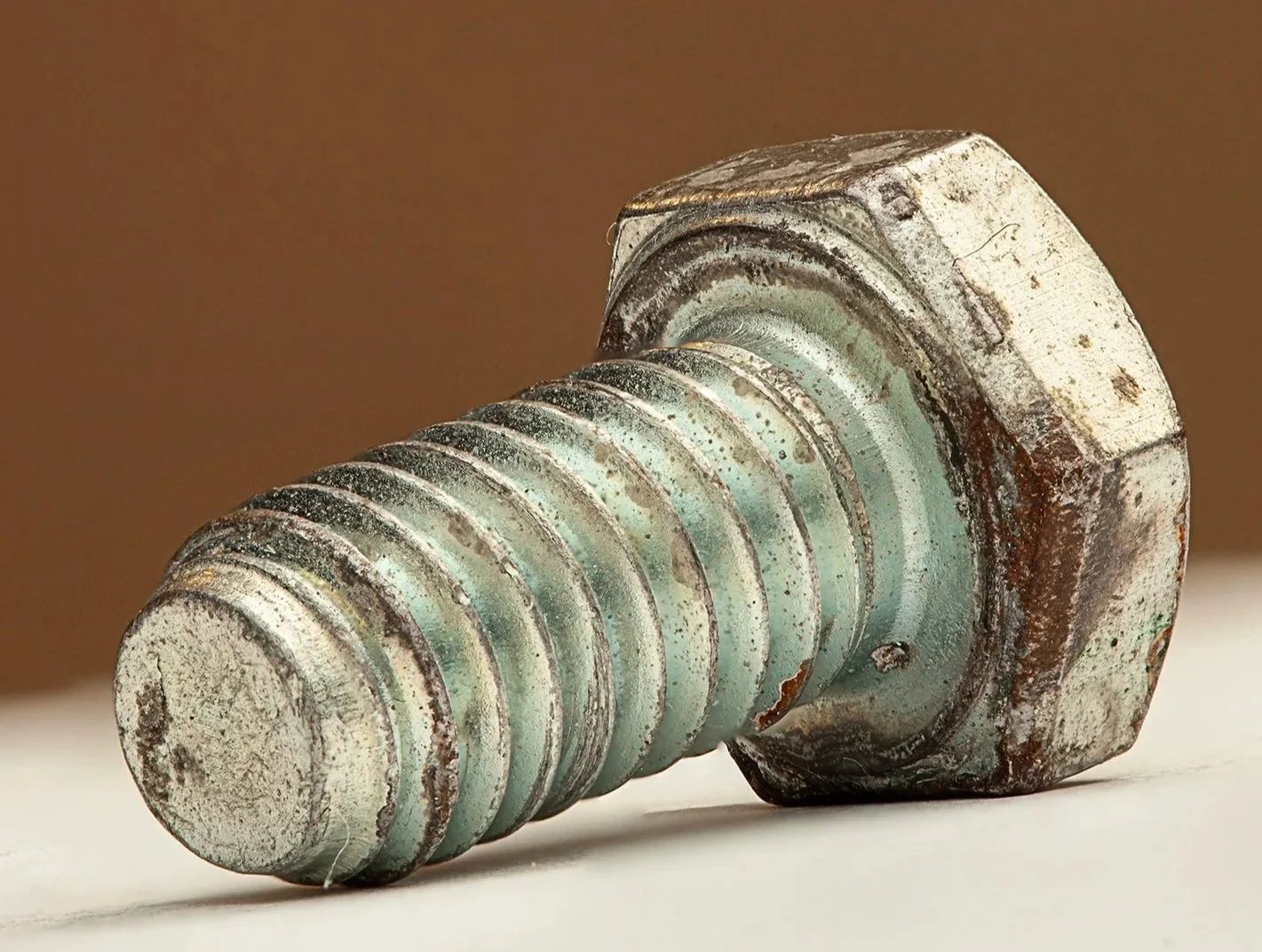
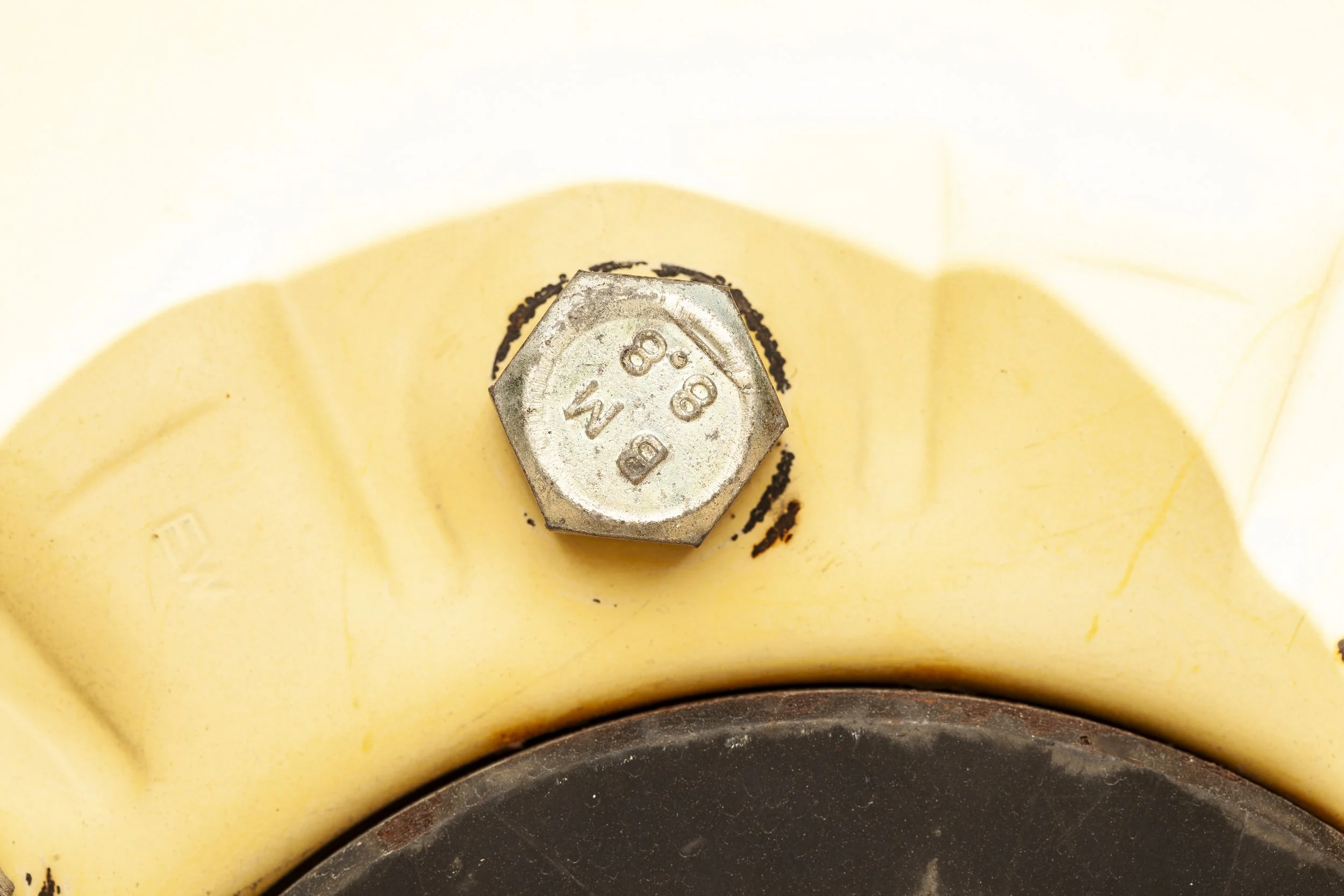
Thread Geometry Study — Hex Fastener
Objective
Evaluate thread condition, surface wear, and material integrity.
Key Findings
• Intact thread geometry
• Visible machining marks
• Minor oxidation present
• No deformation or failure observed
Interpretation
Surface wear consistent with environmental exposure; structure remains intact.
Method
Macro imaging with diffused lighting to reveal thread form and surface detail.
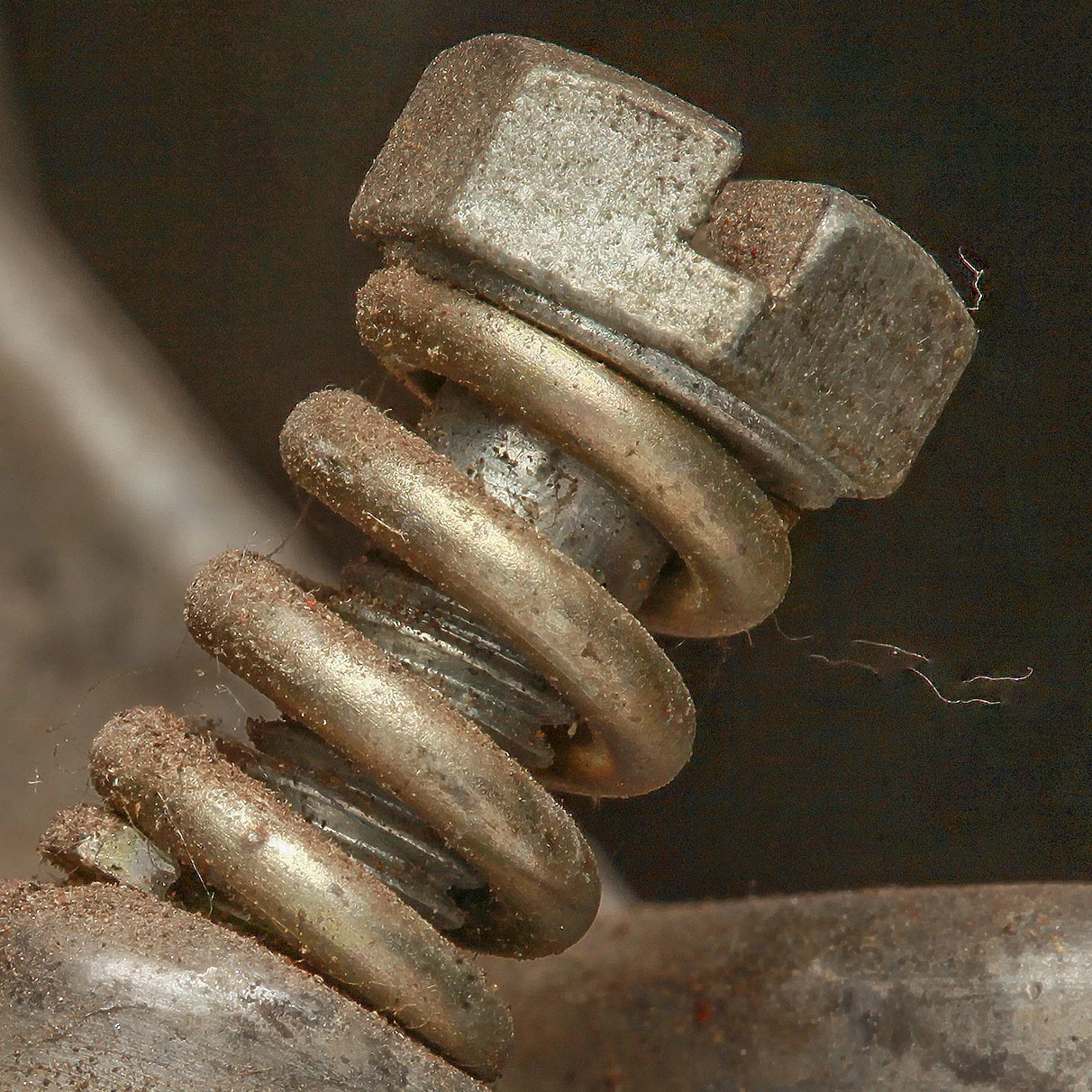
Surface Wear Study — Composite Material
Objective
Assess wear, particle loss, and surface integrity.
Key Findings
• Pitting and micro-void formation
• Particle pull-out and uneven distribution
• Surface contamination present
• Localized edge degradation
Interpretation
Friction-induced wear with matrix breakdown and particulate loss.
Method
Macro imaging with directional lighting to reveal surface relief and defects.
Lighting Study — Transparent Glass
Objective
Evaluate light behavior across transparent surfaces and edges.
Key Findings
• Strong edge definition
• Controlled internal reflections
• Clean silhouette separation
Interpretation
Lighting effectively defines form without visual noise.
Method
Controlled studio lighting with high contrast background.

Click here for technical specs and gallery

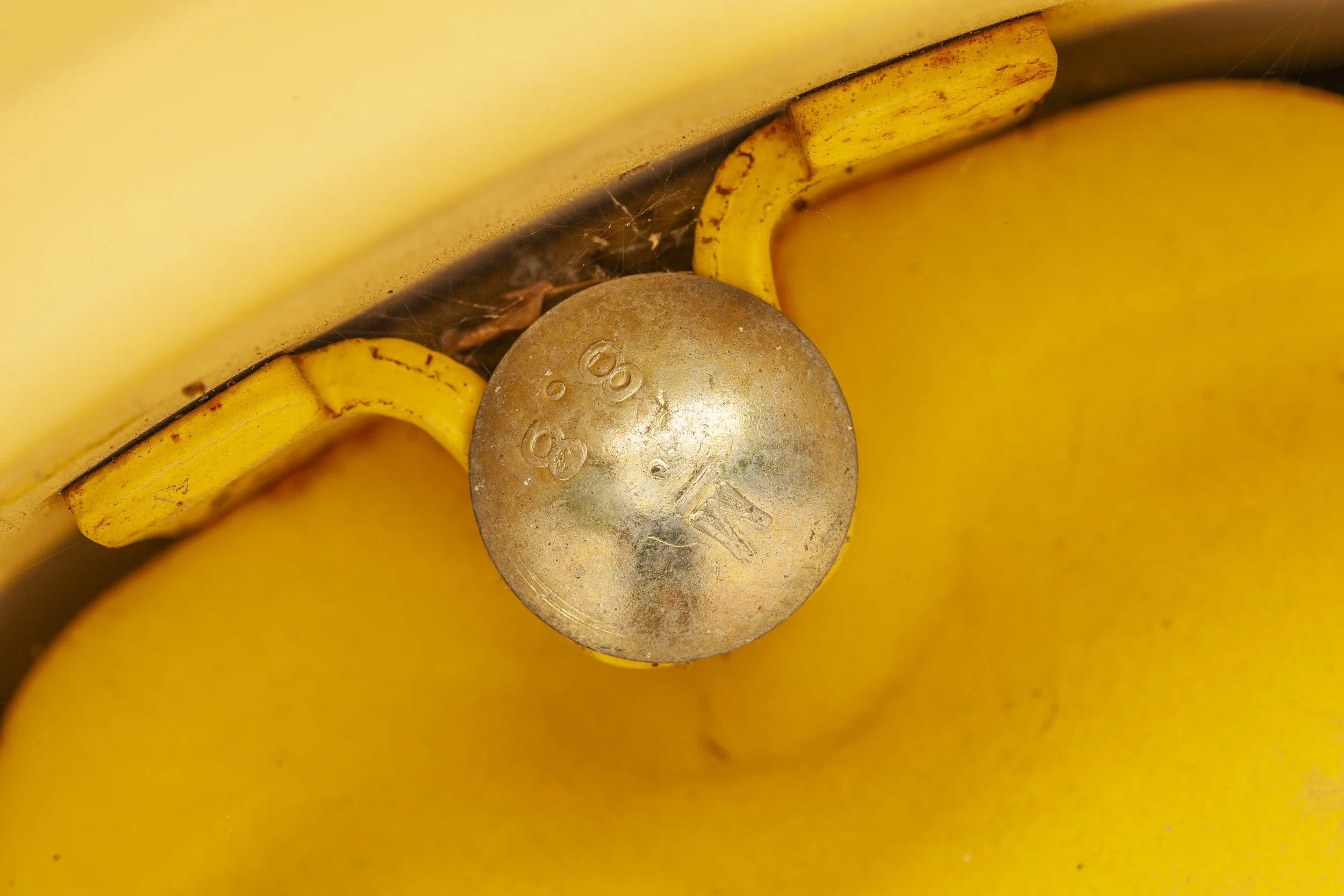
Reflective Surface Study — Metallic Component
Objective
Evaluate surface condition and reflectivity on metallic materials.
Key Findings
• Controlled specular highlights across curved surface
• Visible micro-scratches, wear, and oxidation
• Surface imperfections revealed without glare loss
• Accurate material tone and color retention
Interpretation
Demonstrates controlled lighting of reflective surfaces while preserving surface detail and condition.
Method
Macro imaging with diffused and directional lighting to manage reflections and reveal surface texture.

Click here for technical specs and gallery
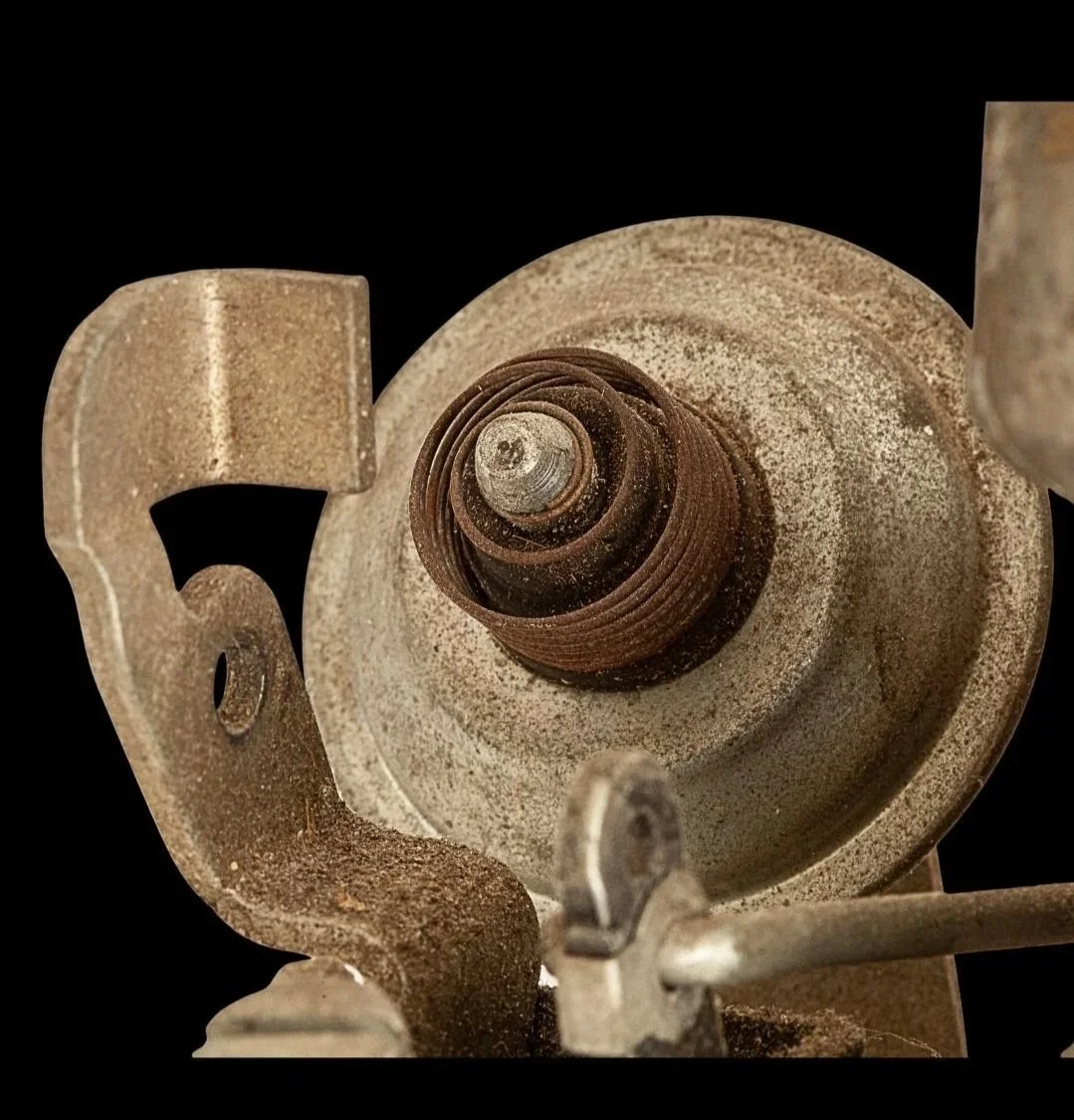
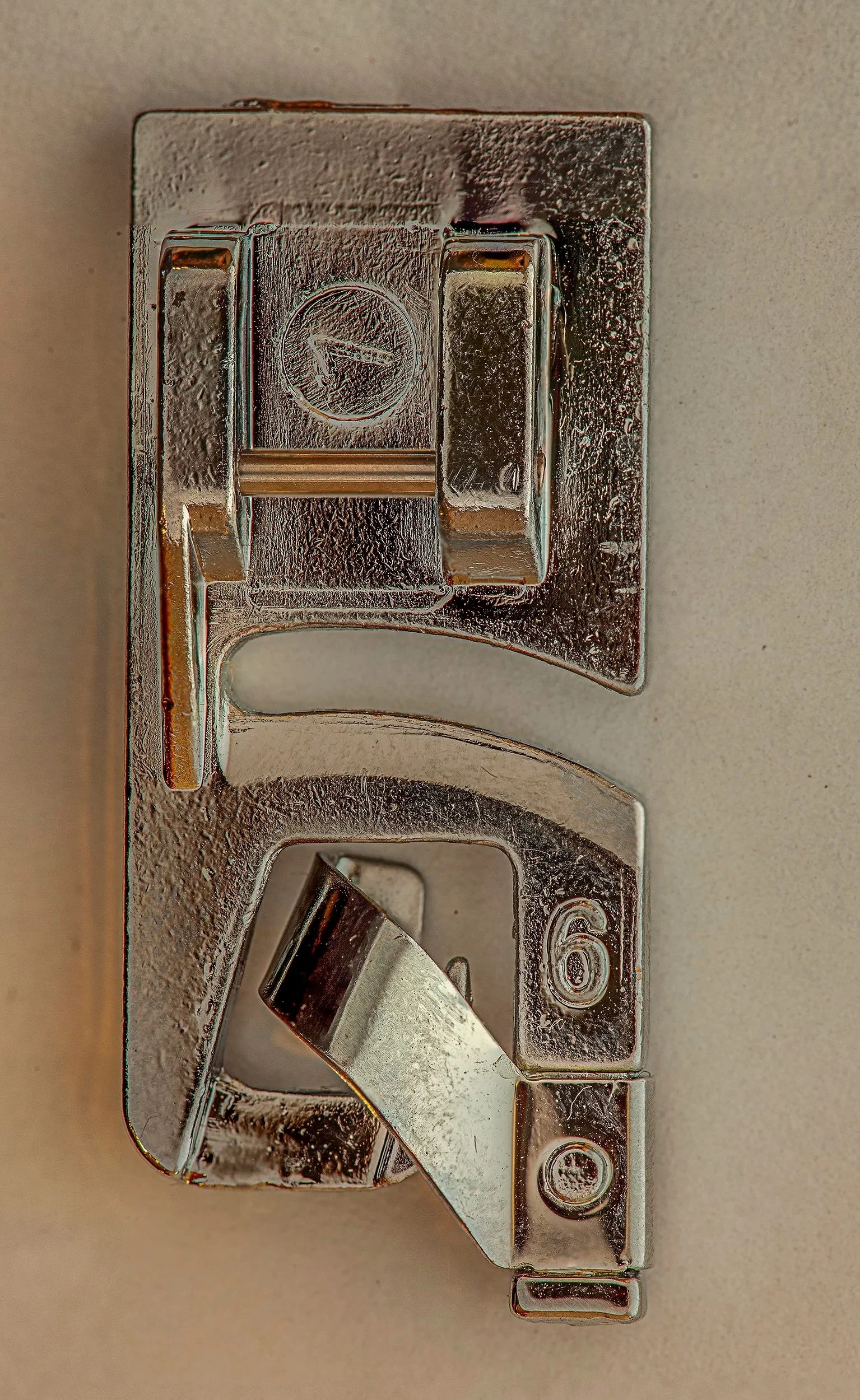
Adjustment Mechanism Study — Screw & Spring
Ojective
Assess wear and integrity of threaded adjustment and spring system.
Key Findings
• Continuous spring structure
• Intact threaded interface
• Surface debris and minor oxidation
• No visible deformation
Interpretation
Operational wear present; mechanical integrity maintained.
Method
High-magnification macro imaging with controlled directional lighting.


Micro Surface Study — Caterpillar
Objective
Capture fine filament structure and micro-surface detail.
Key Findings
• Dense hair-like structures
• High texture variation
• Strong edge definition
Interpretation
Demonstrates precision capture of complex micro-textures.
Method
High-magnification macro with controlled lighting and shallow depth-of-field.
Micro Structure Study — Bee
Objective
Document fine surface texture and structural detail.
Key Findings
• Visible hair and segmentation
• Controlled depth separation
• Clean subject isolation
Interpretation
Effective rendering of soft, fibrous material systems.
Method
Macro capture with controlled natural lighting.
Click here for technical specs and gallery
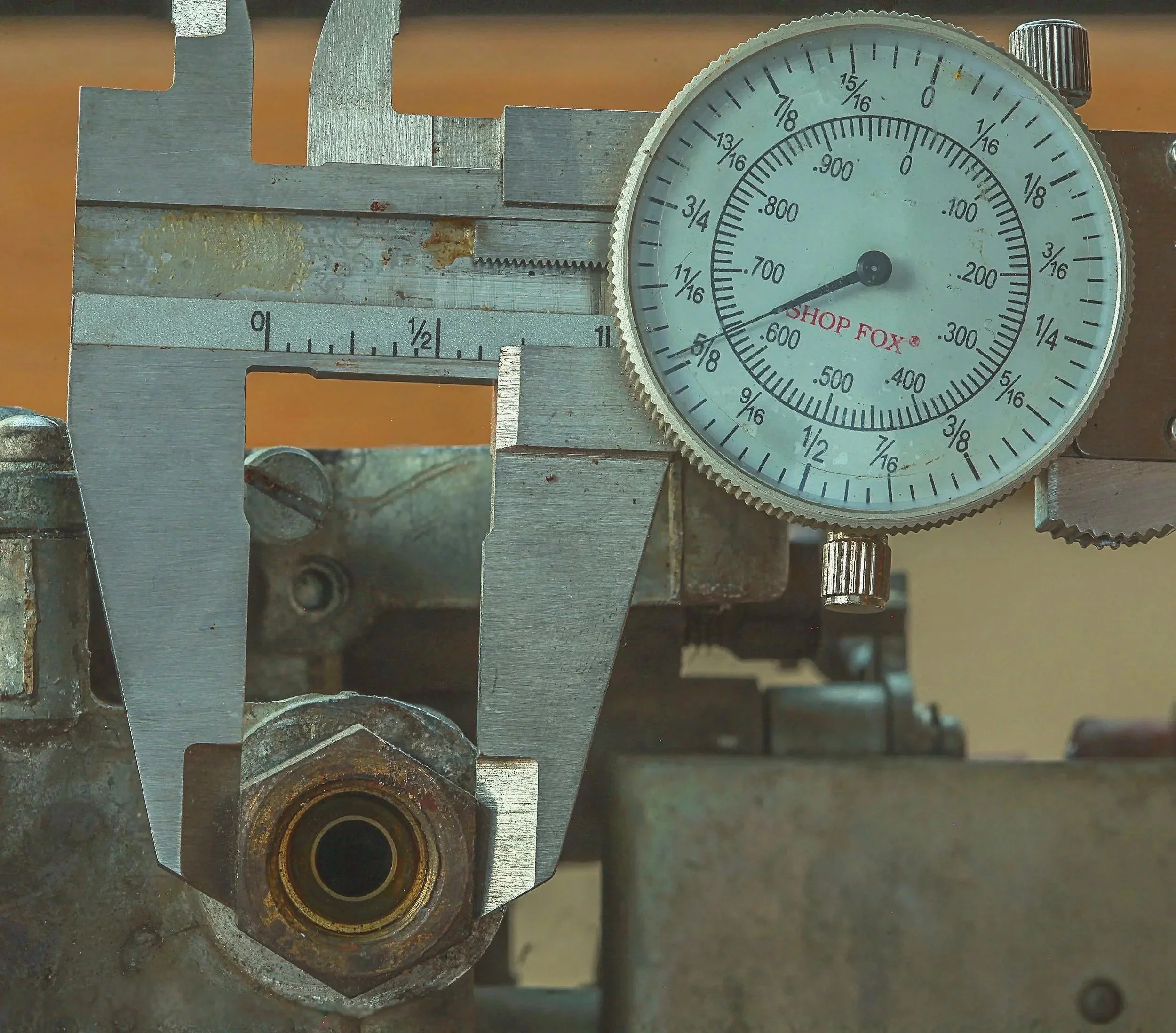
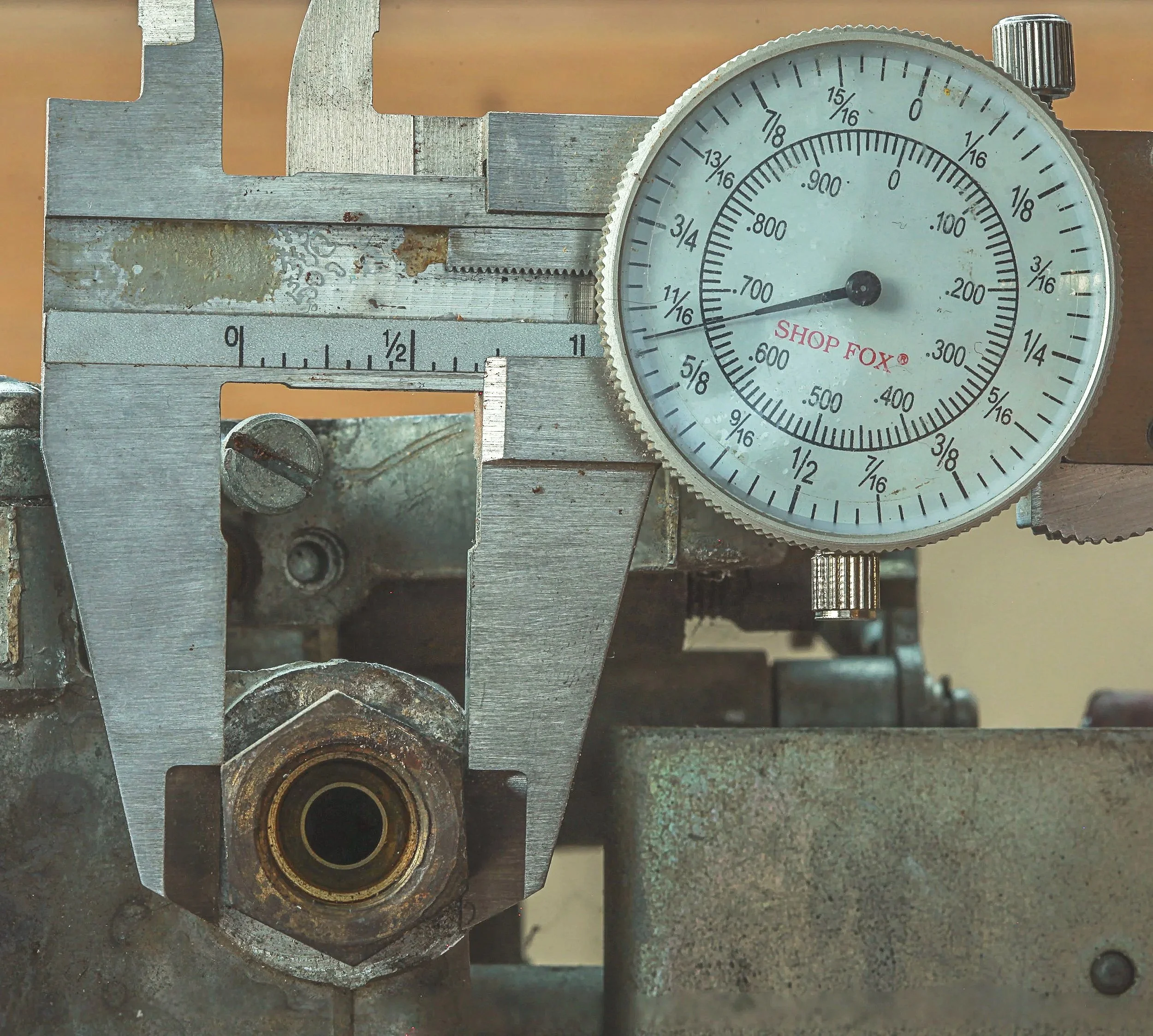
Dimensional Verification — Caliper Study
Objective
Document dimensional accuracy and measurement interface.
Key Findings
• Clear gauge readability
• Defined contact points
• Minor surface wear on components
Interpretation
Measurement setup is stable and readable for inspection use.
Method
Controlled macro capture emphasizing scale clarity and alignment.
Click here for technical specs and gallery
Lighting Study — Transparent Glass
Objective
Evaluate light behavior across transparent surfaces and edges.
Key Findings
• Strong edge definition
• Controlled internal reflections
• Clean silhouette separation
Interpretation
Lighting effectively defines form without visual noise.
Method
Controlled studio lighting with high contrast background.
Click here for technical specs and gallery

Transparency Study — Dragonfly Wings
Objective
Capture structural clarity in transparent, dynamic surfaces.
Key Findings
• Fine vein structure preserved
• Consistent exposure across frames
• Rare open-eye capture moment
Interpretation
Demonstrates precision timing and control in dynamic conditions.
Method
Sequential macro capture with controlled natural lighting.

Click here for technical specs and gallery