Visual Intelligence for AI Systems
I analyze, refine, and elevate how AI understands images—through composition, lighting, material realism, and visual storytelling.
IMAGE ANALYSIS — WHAT WORKS / WHAT FAILS
What Works
1. Composition
Clearforeground / midground / background separation
Strong subject framing (girl + easel anchors the scene)
Background architecture is recognizable and well-positioned
Waterfall creates a natural leading line + visual interest
👉 This feels like a real photograph in structure
2. Depth & Spatial Realism
Background blur (depth of field) is convincing
Scale relationship between girl and house feels believable
Layering of foliage adds realism
👉 AI handled environmental depth very well
3. Lighting
Soft, diffused natural light is consistent across scene
No harsh mismatched shadows
Color temperature feels cohesive
👉 Lighting is one of the strongest aspects
4. Narrative Clarity
Instantly understandable concept:
👉 girl drawing the real scene in front of her
This is important—AI often fails here, but this reads clearly
HOW TO IMPROVE THE IMAGE
Option 1:
Make the drawing:
simpler
less accurate
more abstract
Option 2:
Make the subject:
older (teen or adult)
Option 3:
Change concept:
tracing
coloring
referencing a guide
FINAL EVALUATION
Strength:
High visual coherence and environmental realism
Weakness:
Breakdown in human behavior modeling and skill consistency
VEHICLE SCENE A:
Prompt:
PROMPT:
PROMPT:
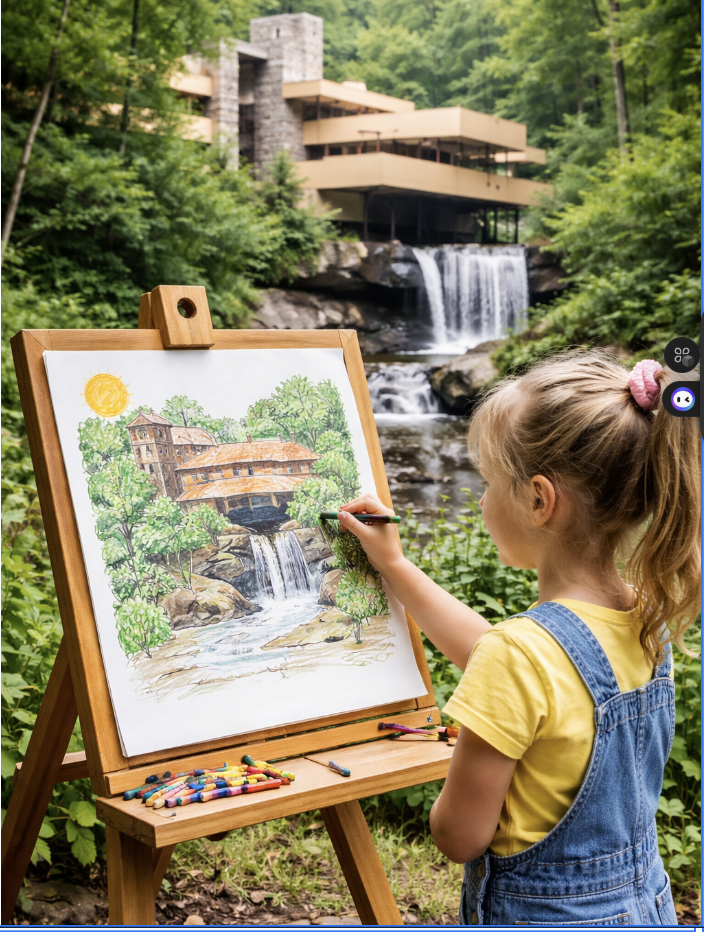
AI Image Analysis & Prompt EngineeringOriginal Prompt
Create an image of a little girl drawing Frank Lloyd Write’s Falling Water house with the actual falling water in the background.
Analysis Summary
Now, using this sketch, create a realistic car in the color red. It should represent this sketch in all of its details and proportions. Put it in a scene in front of the Guggenheim Museum with all the lights on the vehicle on a red carpet with camera flashes going off.
VEHICLE SCENE B:
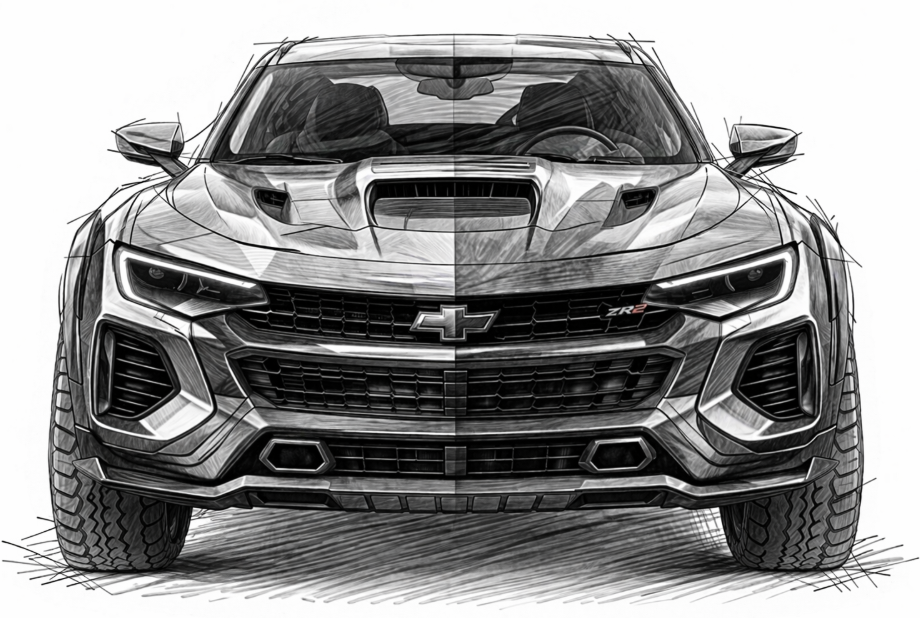
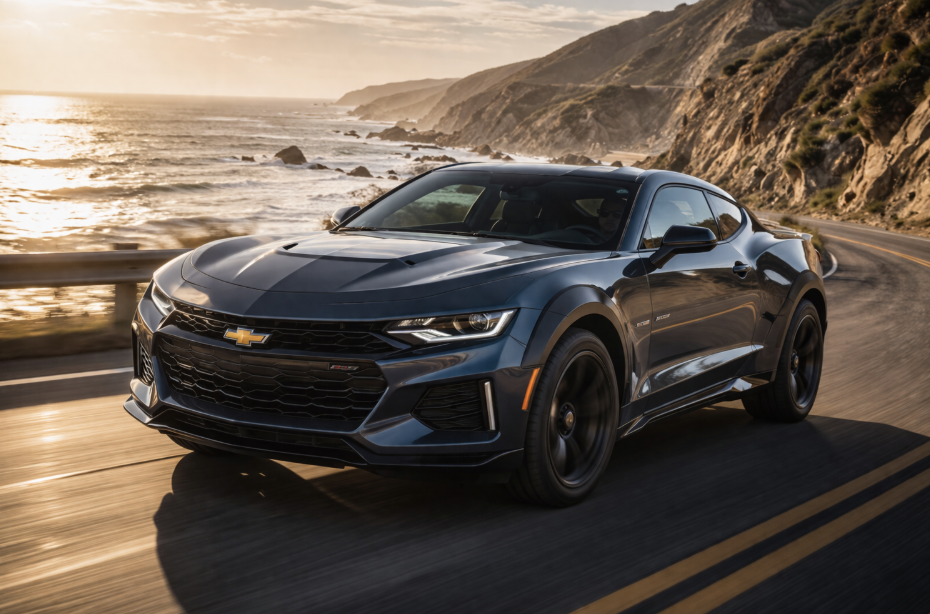
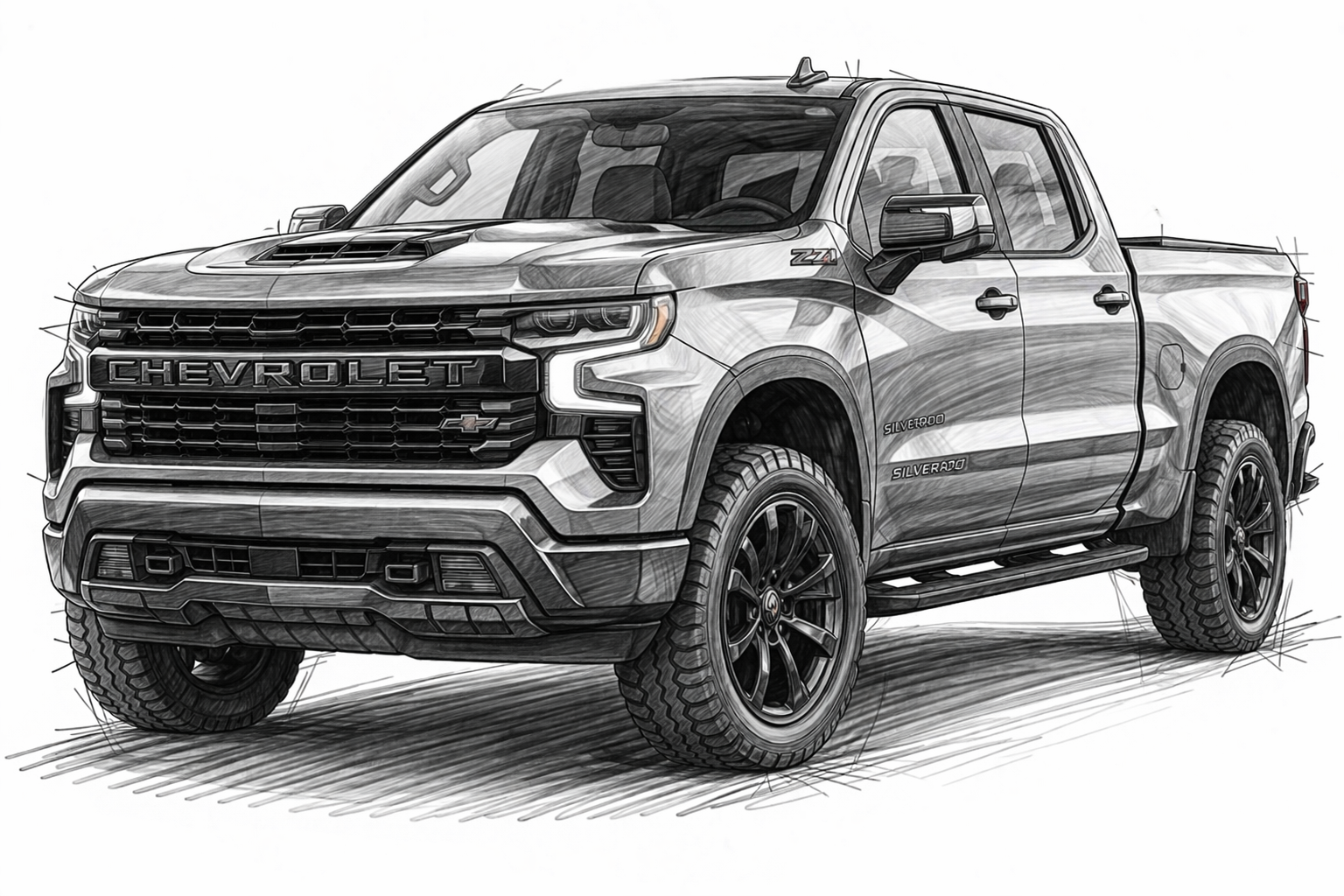
You are an automotive designer. Your task is to design a RUGGED OFF-ROAD VEHICLE like the Corvette Stingray that would appeal to the customer who is now purchasing the Chevy Silverado. You have to combine the rugged with the sleek. Your buyer is retired, over 50. I see them as rugged adventurists, and performance curious of off-road vehicles. I want the vehicle to be a true hybrid and I want the target market to feel their youth regained. Create a sketch on a blank white background of this exact vehicle,
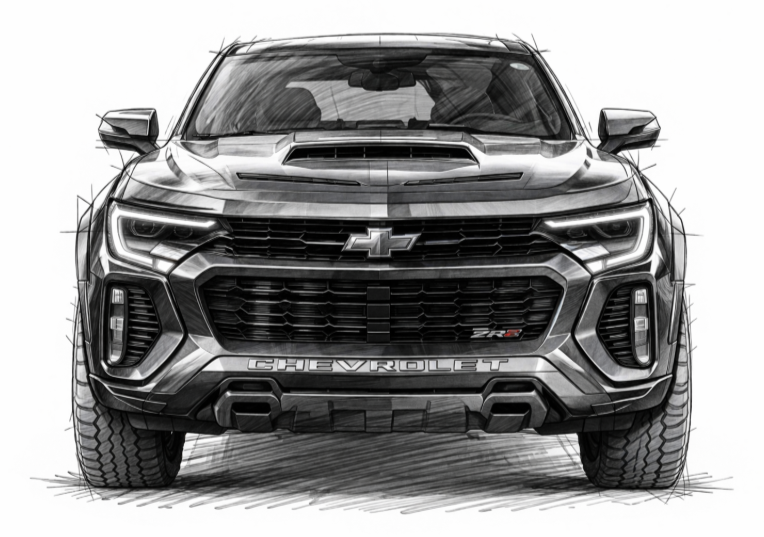
The image succeeds visually but fails cognitively. While composition, lighting, and spatial relationships are convincing, the subject behavior does not align with expected human capability. The drawing demonstrates a level of skill inconsistent with the age and motor ability of the subject, breaking realism.
You are an automotive designer. Your task is to design a sleek sports vehicle like the Chevy Silverado that would appeal to the customer who is now purchasing the Corvette Stingray. You have to combine the sleek with the rugged. Your buyer is retired, over 50. I see them as performance curious, light adventure vehicles. I want the vehicle to be a true hybrid and I want the target market to feel their youth regained. Create a sketch on a blank white background of this exact vehicle
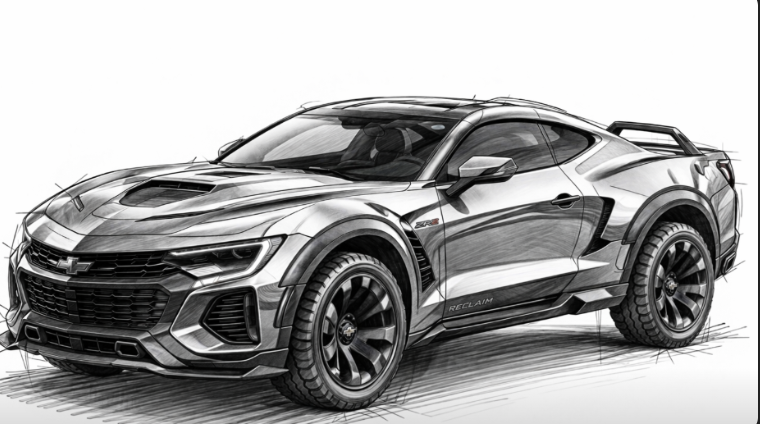
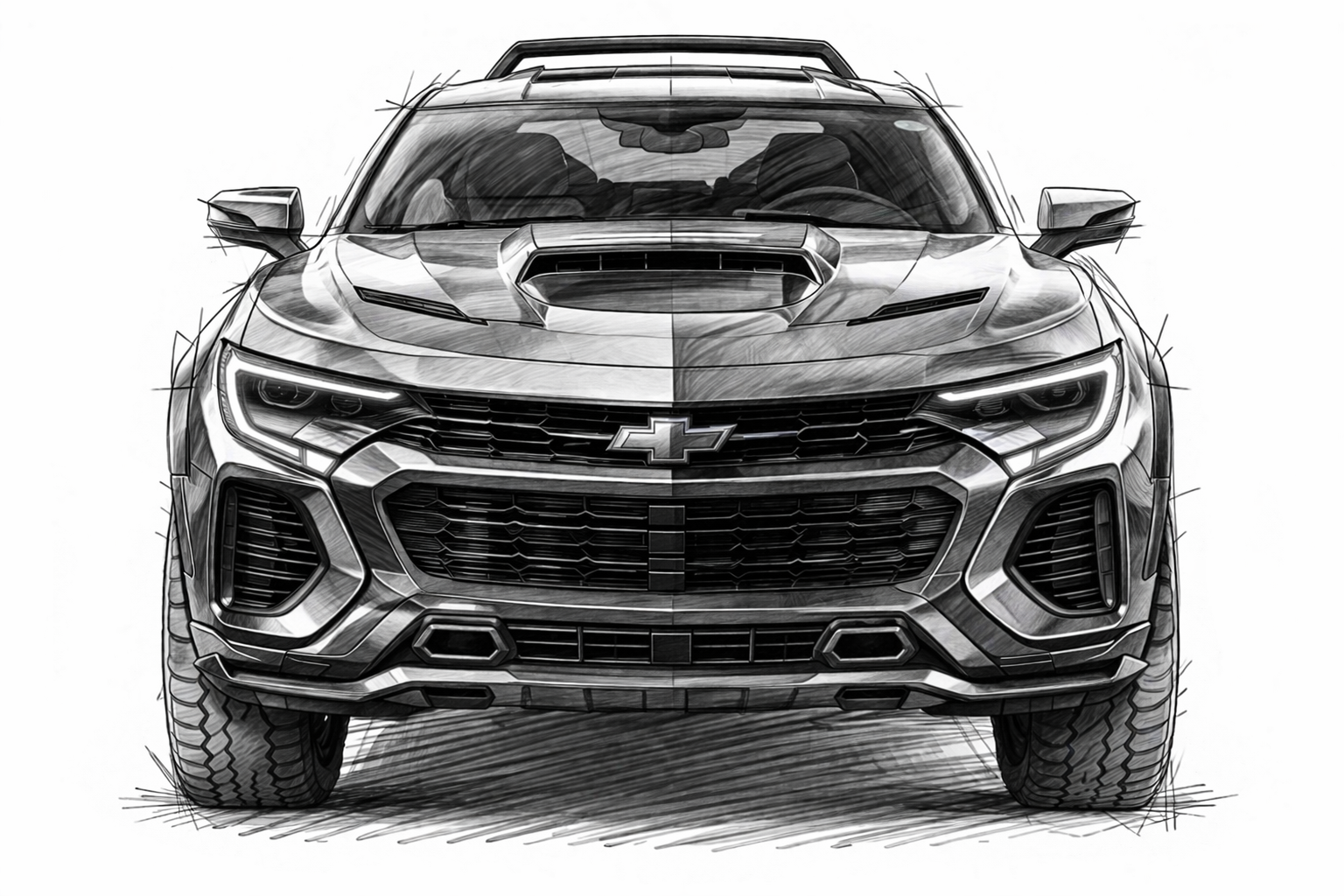
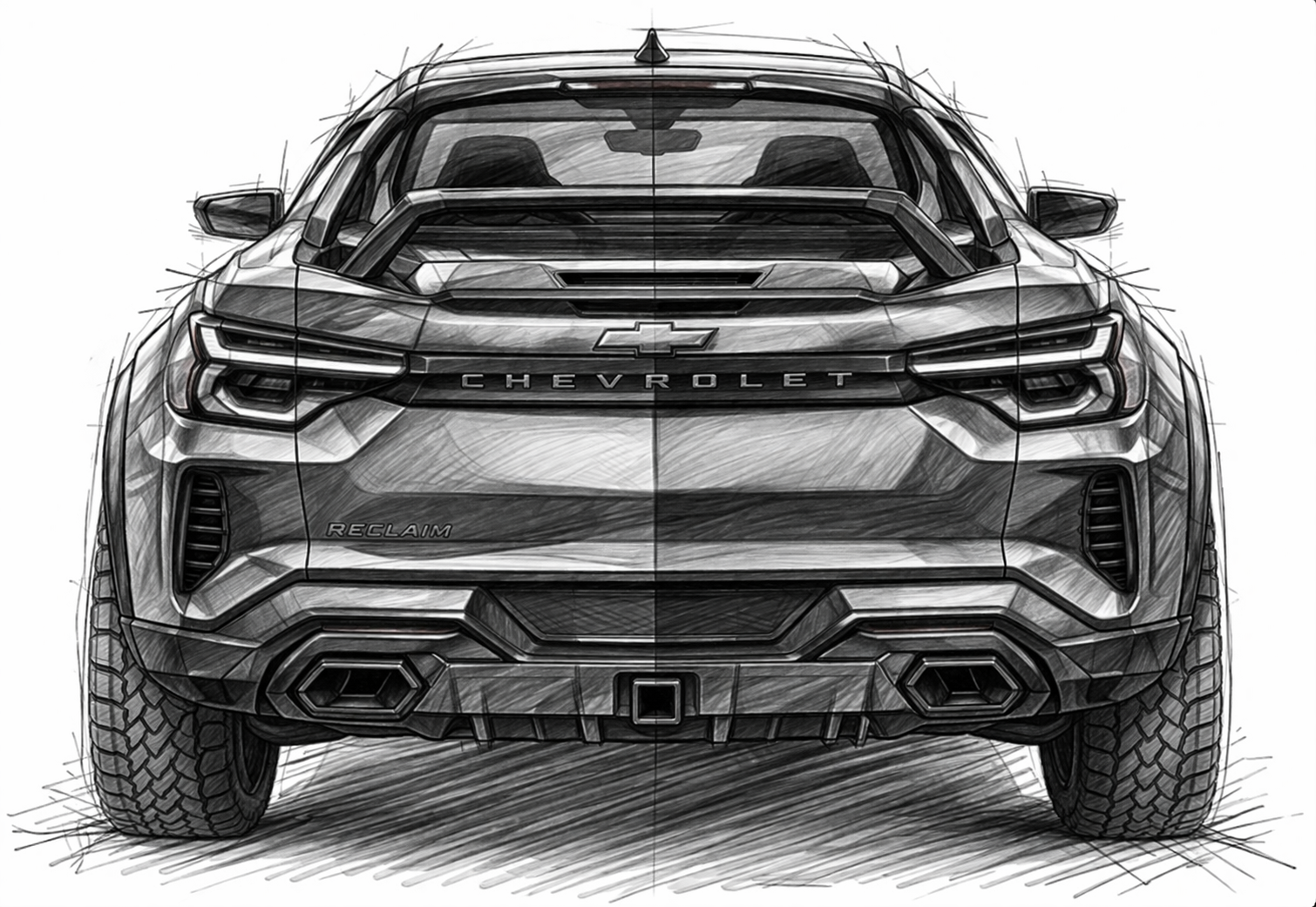
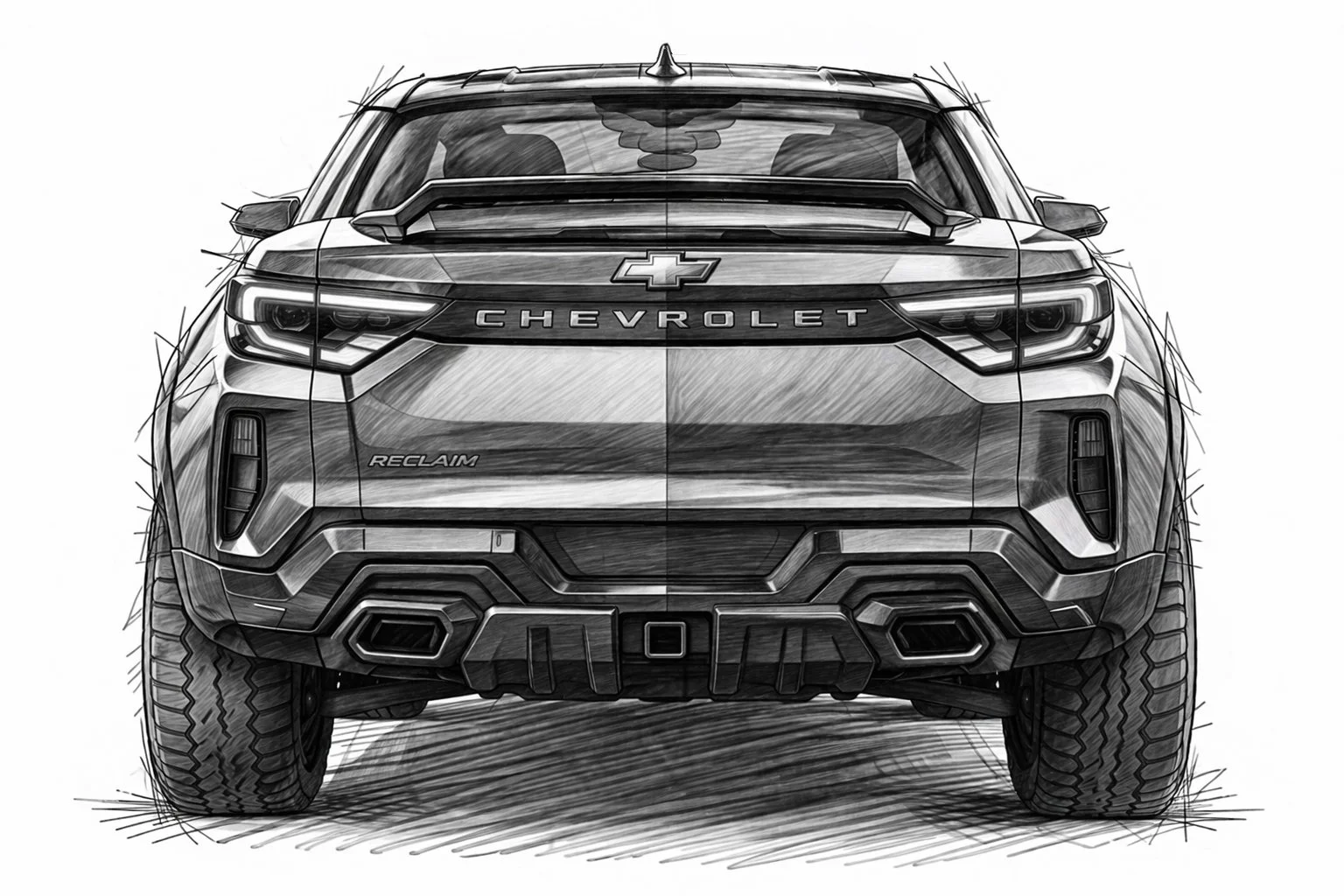
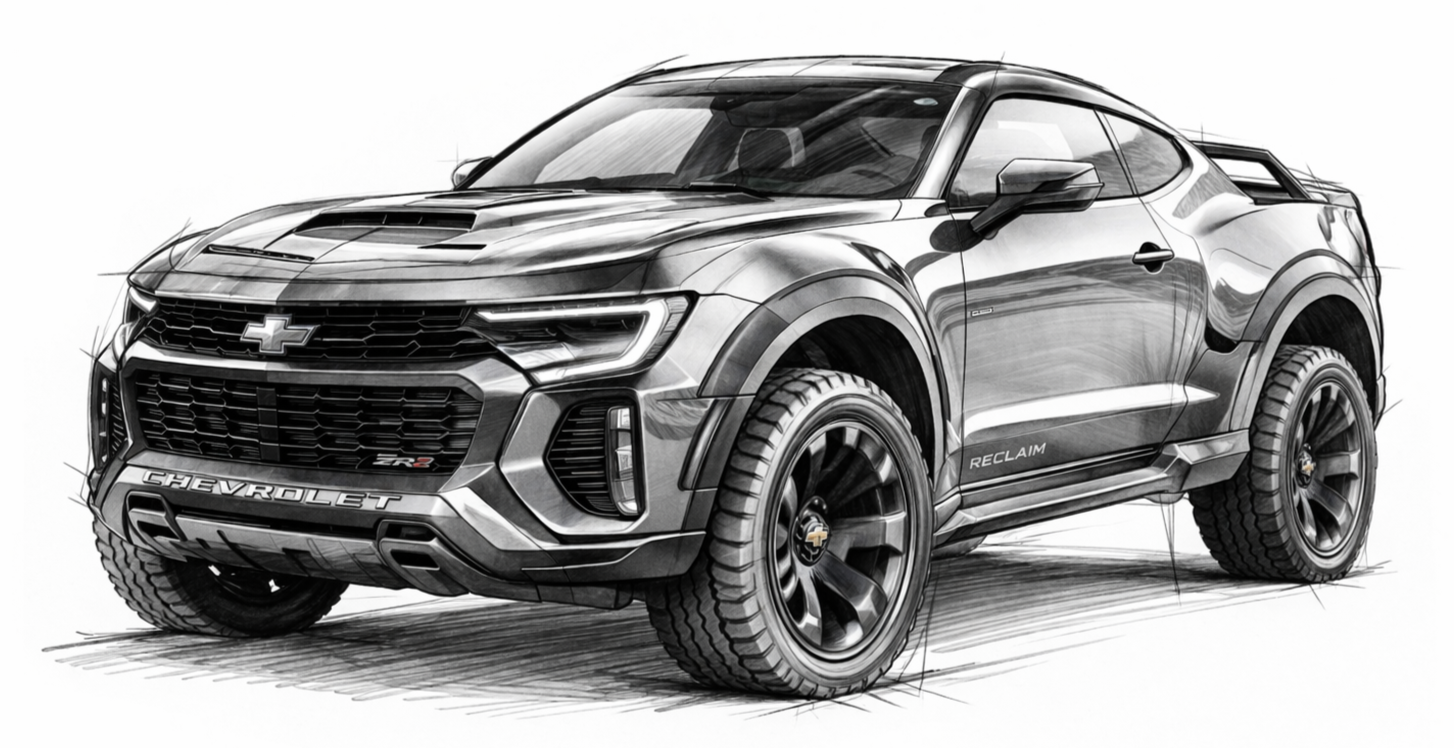
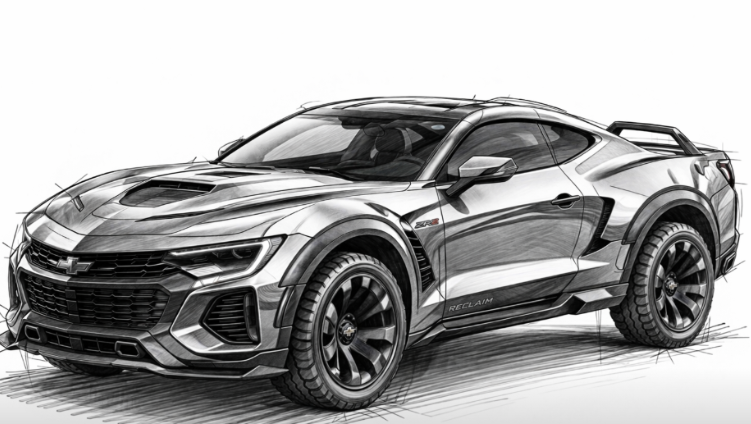
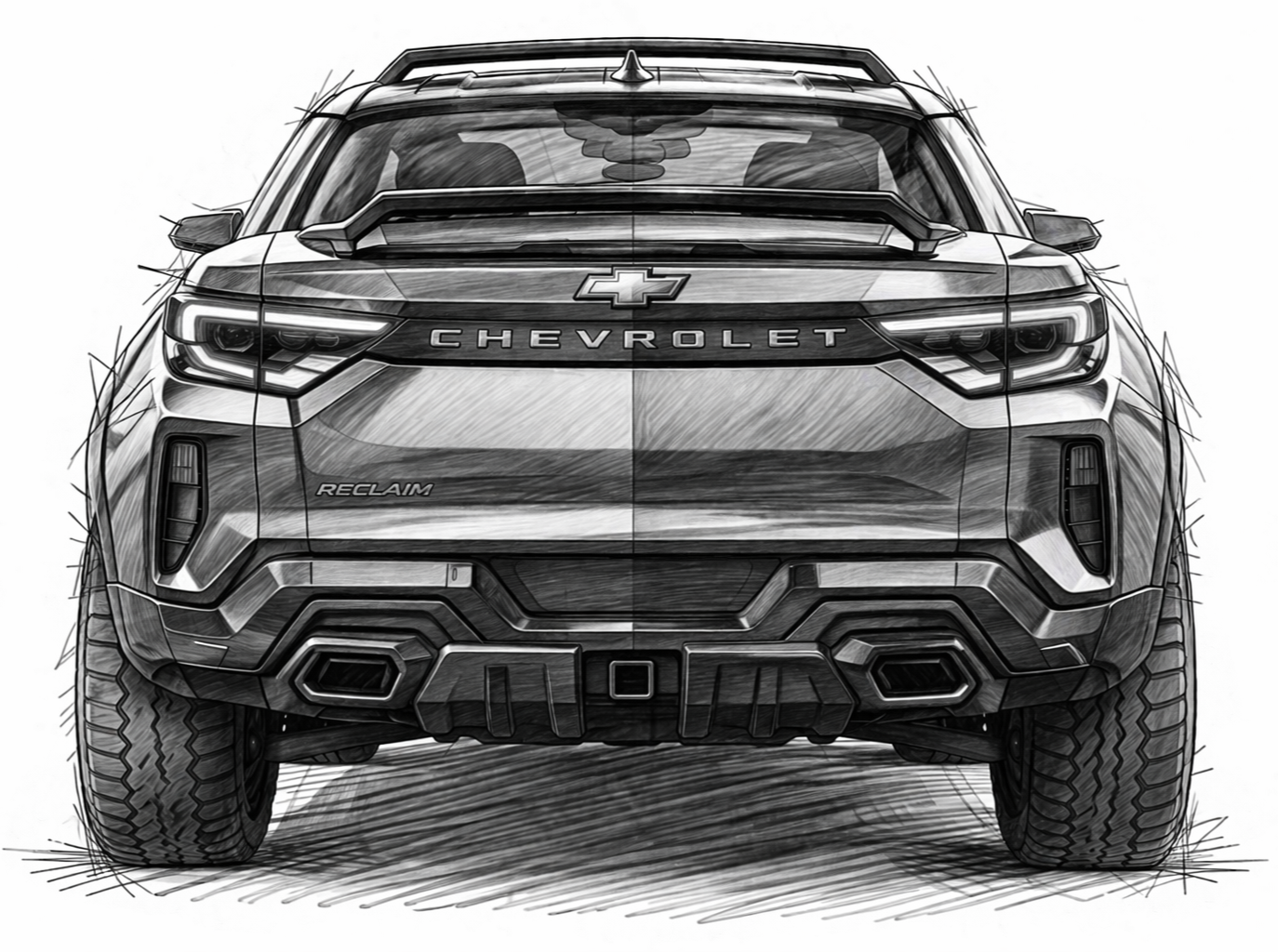
FRONT vs 3/4 VIEW — DESIGN ANALYSIS
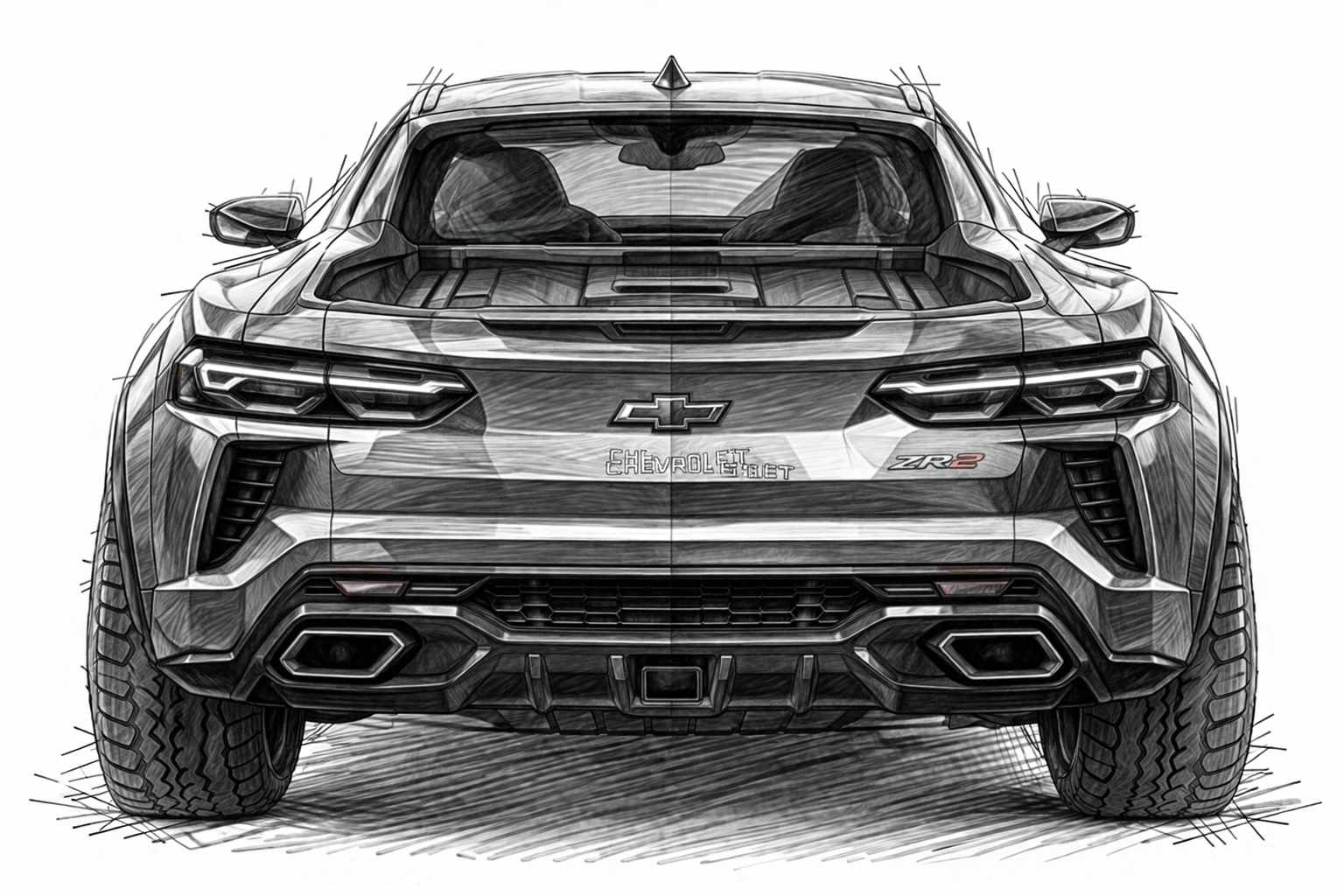
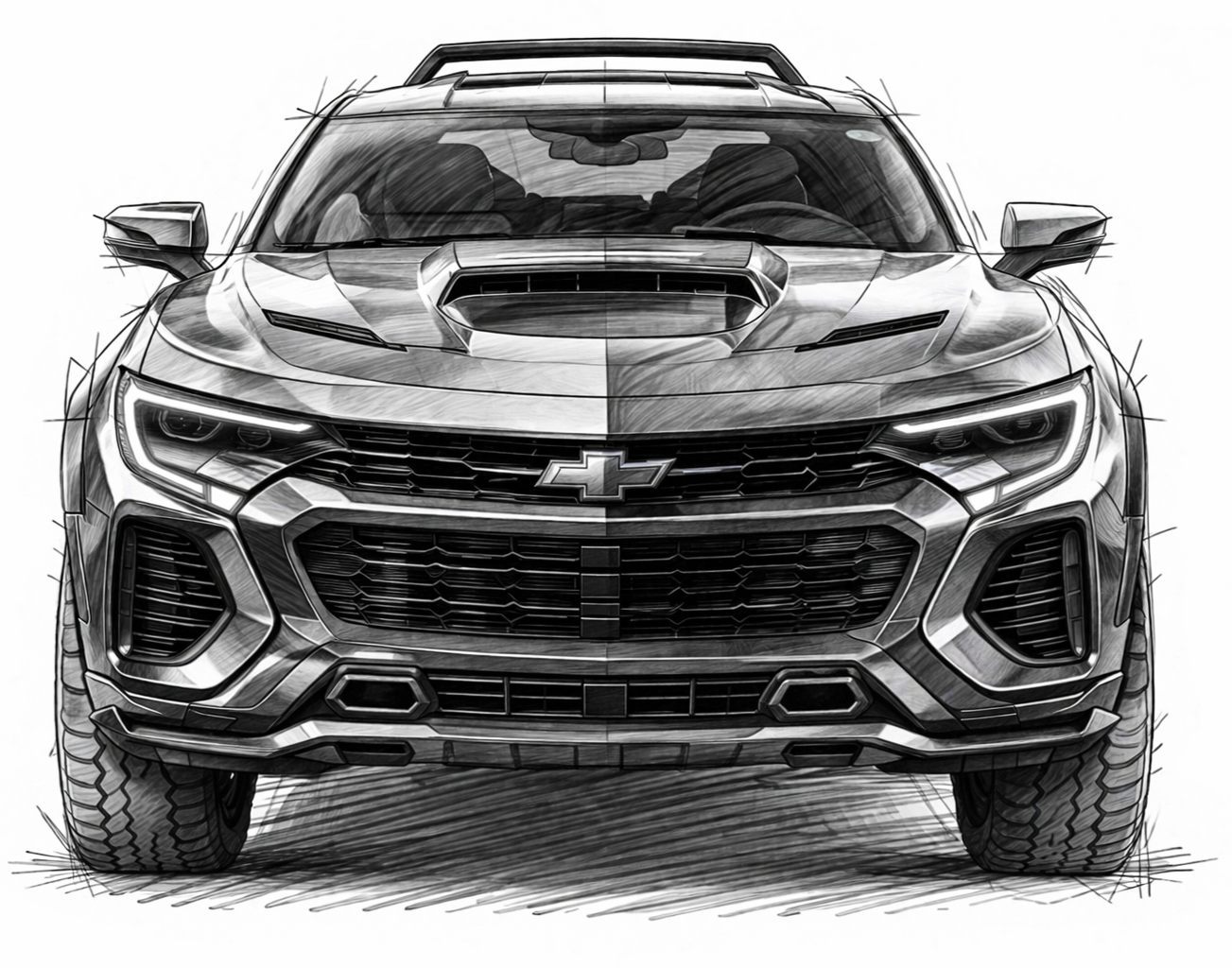
The front view lost performance tension and gained unintended utility cues. We need to compress vertically, widen horizontally, and restore surface aggression to match the 3/4 identity.
Improved Prompt:
Create a highly detailed pencil sketch on a clean white background of the exact same Chevrolet performance adventure coupe concept shown in the previous 3/4 view, now in a perfectly aligned front view.
CRITICAL: Maintain identical proportions, stance, and design language from the 3/4 view. Do not reinterpret or redesign any elements—this is a direct front-view translation of the same vehicle.
The vehicle must retain its low, wide, slightly elevated performance stance, blending Corvette Stingray sleekness with Silverado strength.
Front-end corrections and requirements:
The grille must be wide and horizontally emphasized, with a reduced vertical height (lower and more compressed) to match the 3/4 view proportions. Avoid any tall or SUV-like grille appearance.
The hood must have a strong downward slope toward the front, with pronounced sculpting and a defined central bulge, reflecting performance tension seen in the 3/4 view.
The hood air intake must be low, wide, and integrated, not oversized or vertically stretched. It should feel proportional and performance-driven.
The headlights must be narrow, sharp, and aggressive, with a slightly swept-back angle consistent with the 3/4 view—avoid soft or rounded shapes.
The front bumper must include angular, layered detailing with subtle Silverado-inspired ruggedness, but still refined and performance-oriented.
The fenders must appear wide and planted, with the wheels pushed outward to emphasize stance and stability.
Remove any incorrect elements:
No roof bars or racks—maintain a clean, uninterrupted fastback roofline
No added utility features not present in the 3/4 design
Wheels and tires:
Maintain the same large performance wheels with slightly thicker sidewall tires
Ensure consistent scale and proportion relative to the body
Sketch style requirements:
Use the exact same pencil sketch style as the reference image
Strong linework, dynamic construction lines, and cross-hatching
High detail with visible sketch strokes and shading
Clean white background with no environment
Overall goal:
This front view must feel like the same vehicle viewed head-on—not a variation. The design should communicate performance, strength, and refined aggression, with perfect proportional consistency to the 3/4 view.
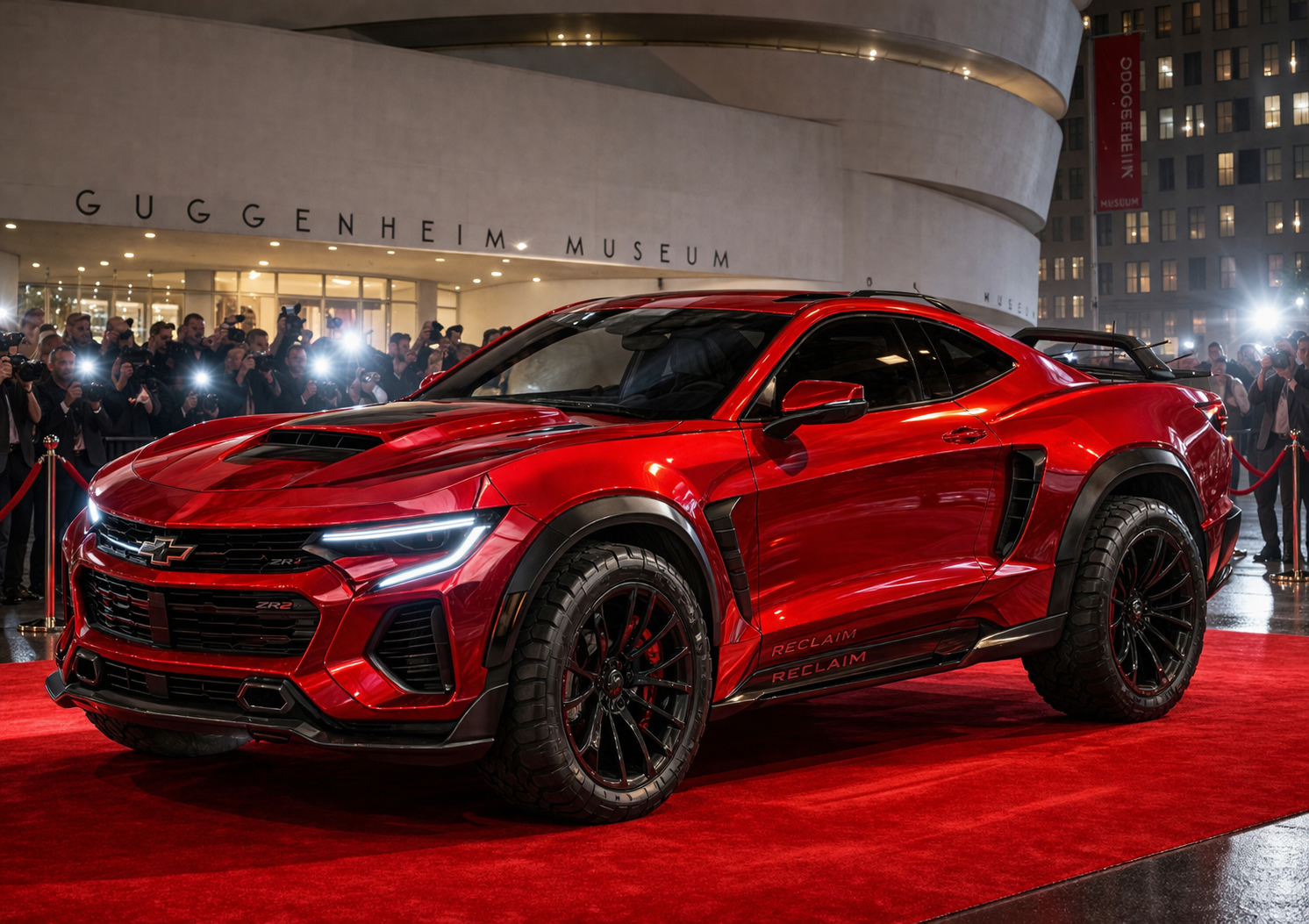
New Result:
AI VEHICAL ANALYSIS B:
Keeping the same scene just changing the vehical
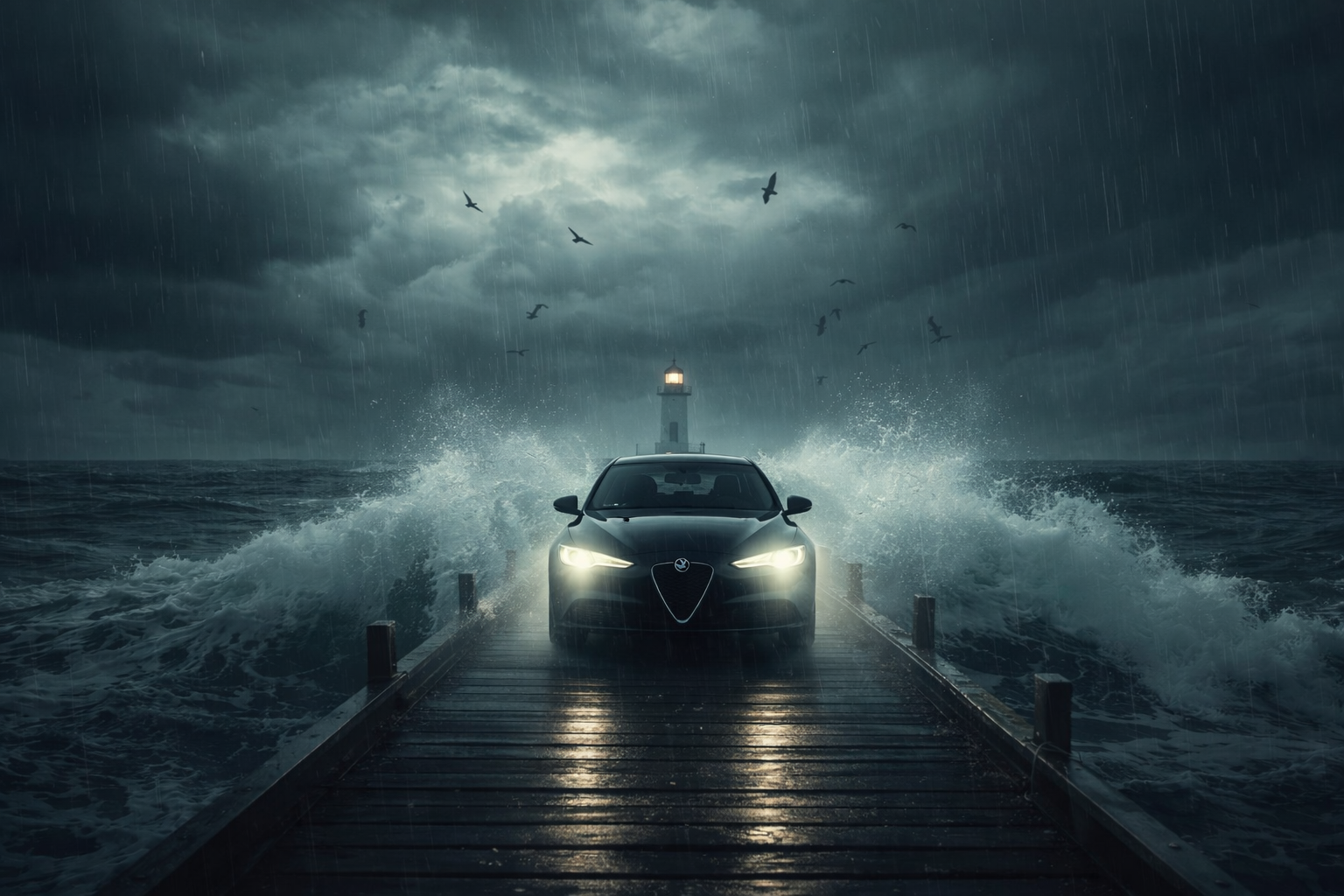
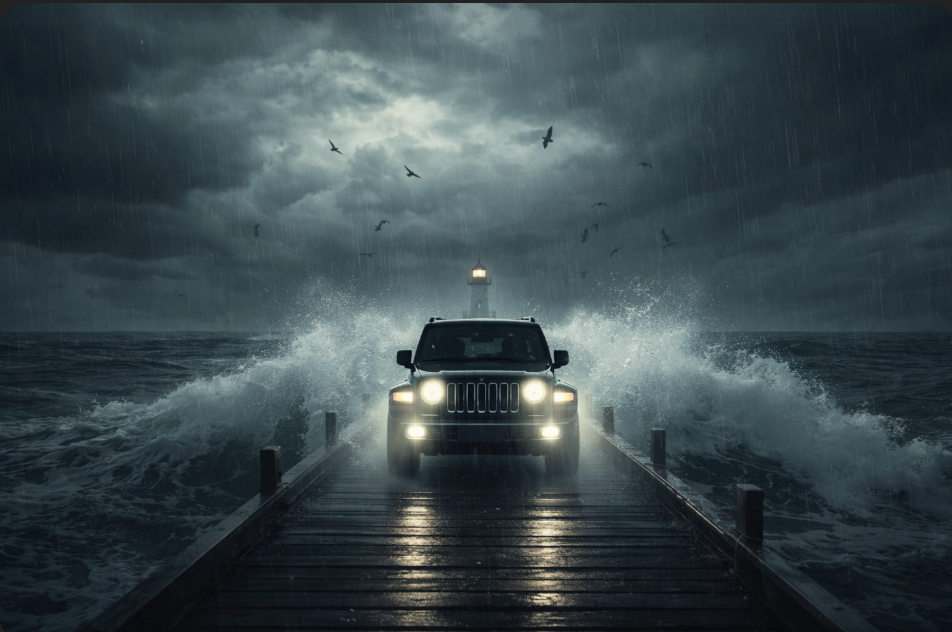
1. Scene Consistency
Across both images, the AI successfully locked:
✅ Composition
✅ Environment
✅ Cinematic Language
🚗 2. Subject Swap (Alfa Romeo → Jeep)
This is where it gets interesting 👇
🔹 Alfa Romeo Image
Sleek, low profile
Curved, aerodynamic front
Feels fast, luxury, precise
Headlights are sharp and narrow → more aggressive elegance
🔹 Jeep Image
Boxier, upright stance
Signature grille clearly visible
Feels rugged, durable, powerful
Headlights are round + bold → more utility and strength.
AI VEHICAL ANALYSIS C:
Building a Narrative / Controlled Variables / Locked Composition
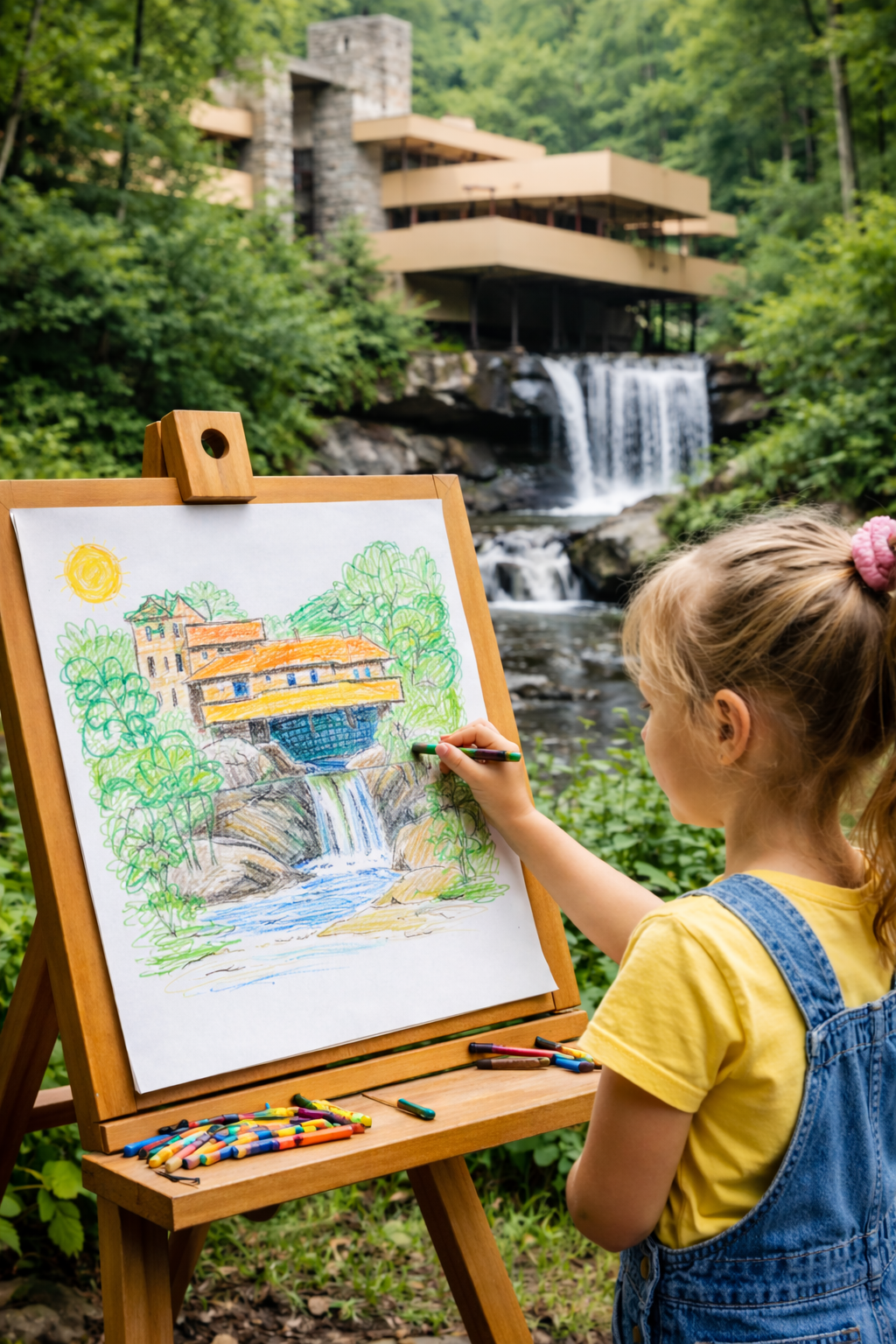
Corrective Prompt
Edit this image to improve realism while keeping the same composition and environment. The child should be creating a simple, age-appropriate drawing rather than a highly detailed architectural illustration. Replace the drawing on the easel with a loose, childlike sketch using basic shapes, uneven lines, and simplified forms of the house and waterfall. The drawing should look imaginative and imperfect, with crayon or colored pencil texture, not precise or professionally rendered. Alternatively, make it clear the child is referencing or coloring from a pre-drawn outline by adding faint guide lines or a printed sketch style. Maintain the natural outdoor lighting, the modern house over the waterfall in the background, and the overall composition, but ensure the artistic skill level matches the age of the child for believable realism.
IMPROVED VERSION
Explore our range of services designed to help you move forward with confidence, wherever you're headed next.
AI Prompt:
Design me A realistic cinematic photograph of a black Alfa Romeo sedan driving directly toward the camera on a narrow wooden pier, headlights brightly illuminated, large waves violently crashing over both sides of the pier, stormy sky, dramatic lighting, water splashing onto the car, motion blur, centered composition
AI Prompt:
Now, using the exact same scene, same composition and instructions, just replace the alpha romero with a jeep,
👉 3.Same scene, completely different emotional read:
Alfa = precision + danger + elegance
Jeep = resilience + toughness + survival
💡 3. What Stayed Locked (This is the BIG win)
Even after changing the subject, AI preserved:
Camera angle ✅
Distance to subject ✅
Lighting direction ✅
Wave timing/placement ✅
Lighthouse alignment ✅
⚠️ 4. Micro Differences (Important for pro-level control)
Even though they look nearly identical, there are subtle shifts:
Water Behavior
Light Spread
Car Scale
a 4-image campaign sequence (storm → break → calm → sunset hero shot)
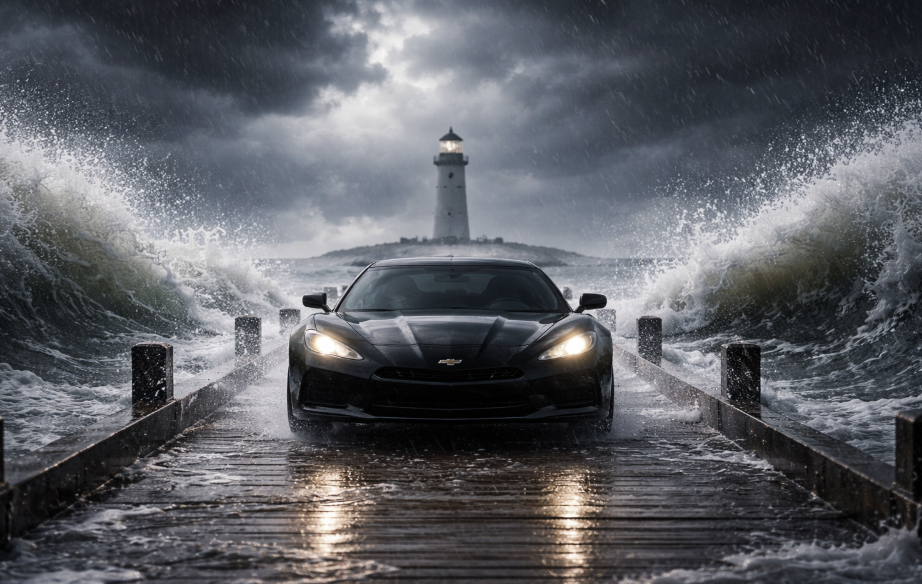
Design me A realistic cinematic photograph of a black Alfa Romeo sedan driving directly toward the camera on a narrow wooden pier, headlights brightly illuminated, large waves violently crashing over both sides of the pier, stormy sky, dramatic lighting, water splashing onto the car, motion blur, centered composition.
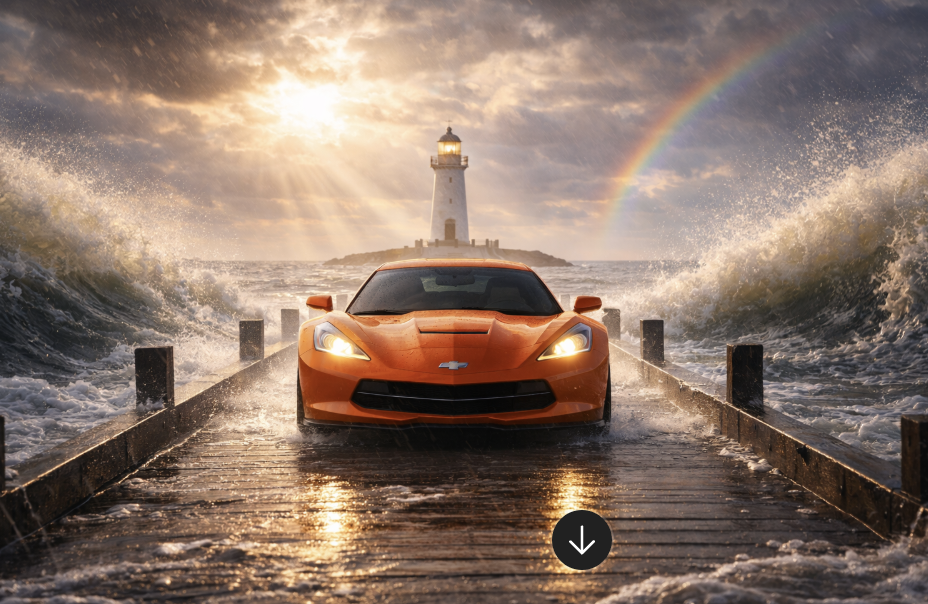
Now Same exact scene, same composition, same Corvette Stingray, car painted in bright Chevrolet orange, headlights on, sun fully breaking through clouds, partial rainbow visible, waves still active but controlled, water splashing lightly, lighthouse fully visible and clearly separated from the car, warm golden cinematic lighting, triumphant atmosphere.
What Fails
1. Cognitive / Behavioral Mismatch.
1.The drawing is far too sophisticated for a child that age
Perspective is accurate
Architectural detail is advanced
Material rendering is controlled
Composition is deliberate
👉 This creates a believability break
This is the PRIMARY failure
2. Style Inconsistency in Drawing
Look closely:
The drawing mixes:
childlike crayon marks (sun)
semi-architectural rendering (house)
👉 These two styles conflict
It’s trying to be:
child drawing ❌
trained illustration ❌
3. Motor Skill Inconsistency
The hand position = beginner
The output = advanced
👉 mismatch between:
input skill vs output quality
4. Over-idealization (AI bias)
Scene is slightly “too perfect”
Colors are slightly heightened
Cleanliness of composition feels curated
👉 subtle, but contributes to artificial feel
PROMPT:
PROMPT:
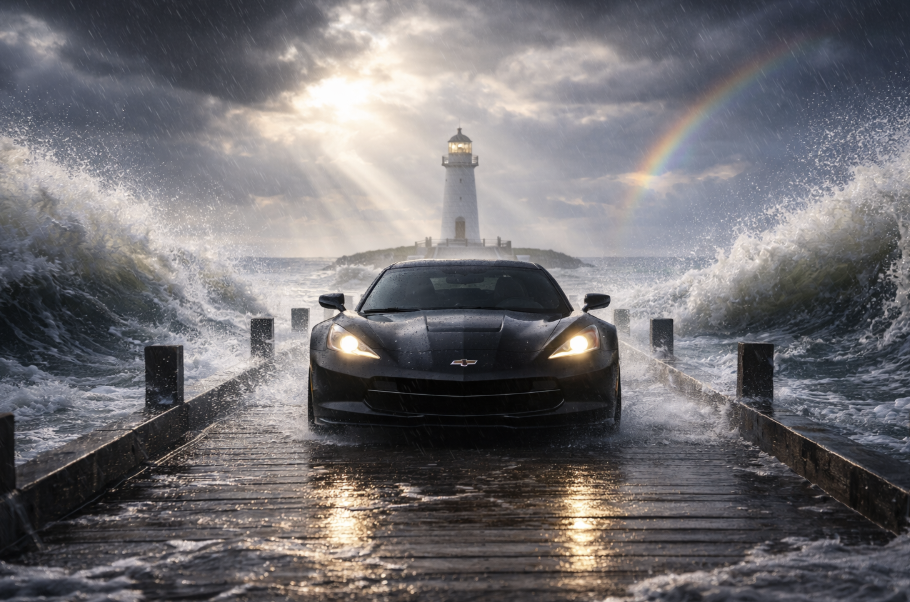
Now, Same exact scene, same composition, same Corvette Stingray driving toward the camera, headlights on, waves still crashing but slightly reduced, rain easing, sun beginning to break through dark clouds, soft rays of light, faint partial rainbow forming in the sky, lighthouse becoming more visible in the background, cinematic transition from storm to calm.
PROMPT:
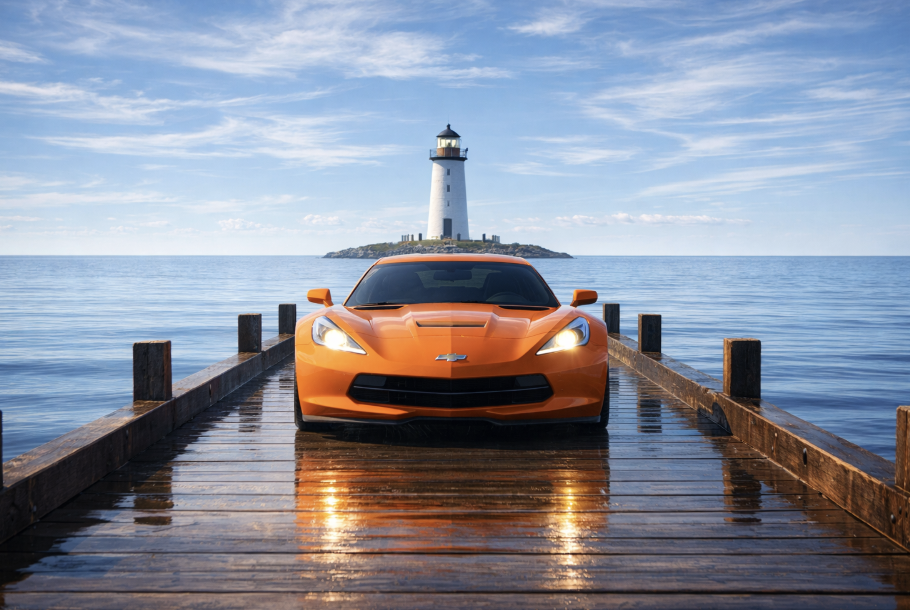
Now, Same exact scene, same composition, same Corvette Stingray, car painted in bright Chevrolet orange, calm blue ocean water, no storm, bright sunny daytime sky with soft wispy clouds, lighthouse fully visible and unobstructed in the background, gentle water movement, clean reflections on the wooden pier, peaceful and balanced atmosphere.
IMAGE 3 — HERO
(ORANGE CORVETTE)
What works:
Color shift dramatically increases impact
Golden light + rainbow = cinematic payoff
Water still active but controlled (perfect instruction match)
Lighthouse fully visible and cleanly separated ✅ (big win)
Composition:
This is your strongest frame visually
Emotion:
👉 Victory / dominance / arrival
Accuracy:
⭐⭐⭐⭐⭐
☀️ IMAGE 4 — CALM DAY
What works:
Clean, minimal, peaceful environment
Perfect lighthouse visibility (best of all 4)
Calm water matches prompt exactly
Reflections on pier are beautiful
Subtle issue:
Car feels slightly more “parked” than “driving”
Loss of motion energy (not wrong—just different tone)
Emotion:
👉 Luxury / control / refinement
Accuracy:
⭐⭐⭐⭐⭐ (with minor motion softness)
1.Controlled VARIABLES, Not the Whole Image
Weather changed
Color changed
Emotion changed
composition stayed locked
2. You Built a Narrative
Image 1 = Problem
Image 2 = Turning point
Image 3 = Resolution
Image 4 = Aftermath
1. FULL SEQUENCE OVERVIEW
Successfully Maintained:
✅ Scene Lock
Same pier
Same camera angle
Same centered composition
Same lighthouse alignment
✅ Subject Consistency
Same Corvette model
Same forward-facing orientation
Same scale in frame
✅ Narrative Progression
You created a true story arc:
Storm Chaos
Storm Breaking
Hero Breakthrough (Orange)
Calm Resolution
👉 This is exactly how high-end campaigns are built
🌩️ IMAGE 1 — STORM CHAOS
What works:
Extremely strong drama
Waves are aggressive and believable
Rain + motion blur sell movement
Headlights cut through scene perfectly
Composition:
Car dominant
Lighthouse partially obscured (good for chaos phase)
Emotion:
👉 Intensity / survival / power
Accuracy:
⭐⭐⭐⭐⭐ (near perfect to prompt)
🌦️ IMAGE 2 — STORM BREAKING
What works:
Lighting transition is excellent (rays breaking through clouds)
Rainbow introduced without overpowering
Rain still present but reduced
Subtle shift:
Waves slightly less chaotic (correct)
Lighthouse becoming clearer (nice storytelling continuity)
Emotion:
👉 Hope / transition / momentum
Accuracy:
⭐⭐⭐⭐⭐
Target Market:
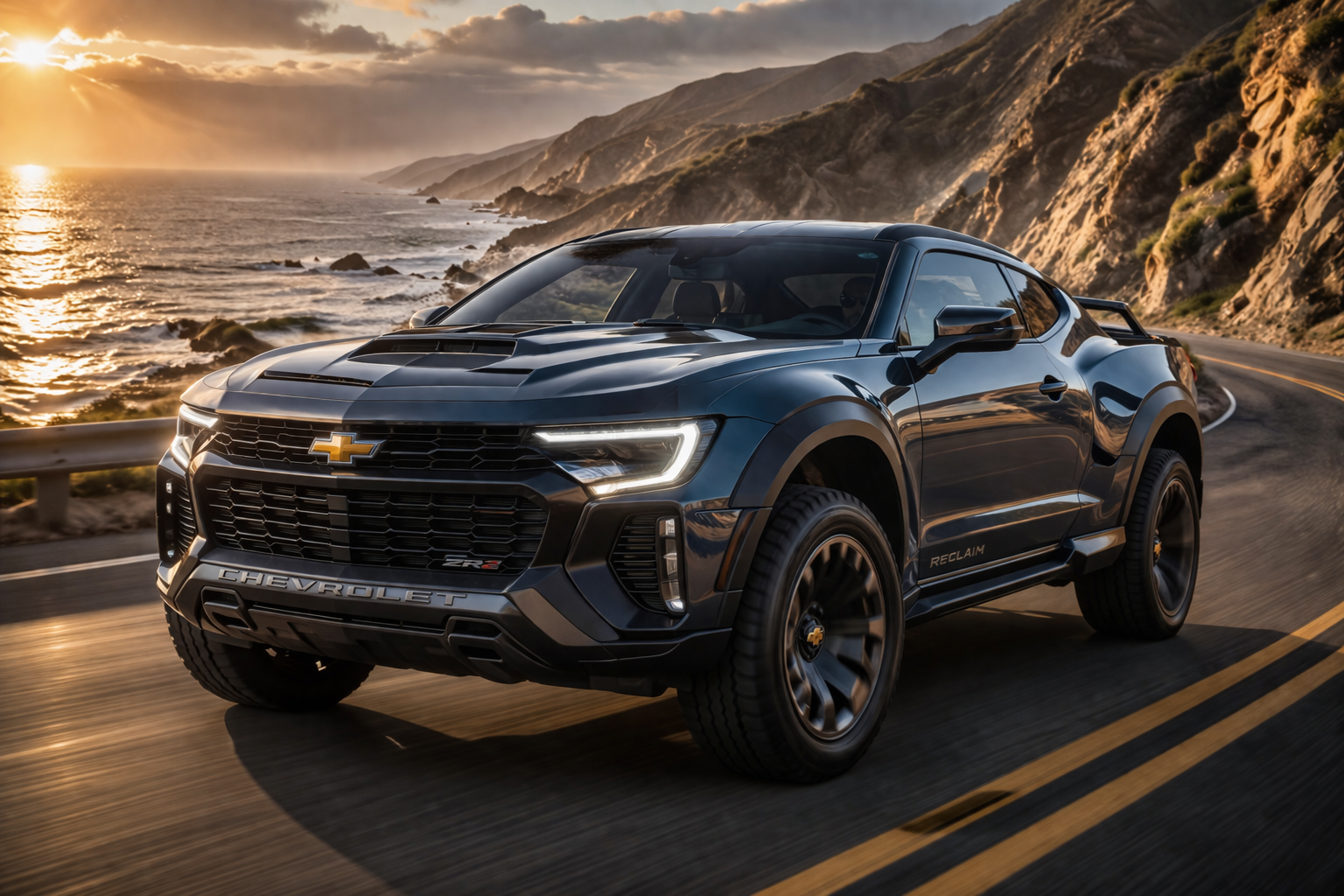
IMAGE ANALYSIS — WHAT WORKS / WHAT FAILS
What Works
1. Composition
Clearforeground / midground / background separation
Strong subject framing (girl + easel anchors the scene)
Background architecture is recognizable and well-positioned
Waterfall creates a natural leading line + visual interest
👉 This feels like a real photograph in structure
2. Depth & Spatial Realism
Background blur (depth of field) is convincing
Scale relationship between girl and house feels believable
Layering of foliage adds realism
👉 AI handled environmental depth very well
3. Lighting
Soft, diffused natural light is consistent across scene
No harsh mismatched shadows
Color temperature feels cohesive
👉 Lighting is one of the strongest aspects
4. Narrative Clarity
Instantly understandable concept:
👉 girl drawing the real scene in front of her
This is important—AI often fails here, but this reads clearly
HOW TO IMPROVE THE IMAGE
Option 1:
Make the drawing:
simpler
less accurate
more abstract
Option 2:
Make the subject:
older (teen or adult)
Option 3:
Change concept:
tracing
coloring
referencing a guide
FINAL EVALUATION
Strength:
High visual coherence and environmental realism
Weakness:
Breakdown in human behavior modeling and skill consistency
VEHICAL SCENE A:
Prompt:
PROMPT:
PROMPT:
Original Prompt
Create an image of a little girl drawing Frank Lloyd Write’s Falling Water house with the actual falling water in the background.
Analysis Summary
The image succeeds visually but fails cognitively. While composition, lighting, and spatial relationships are convincing, the subject behavior does not align with expected human capability. The drawing demonstrates a level of skill inconsistent with the age and motor ability of the subject, breaking realism.
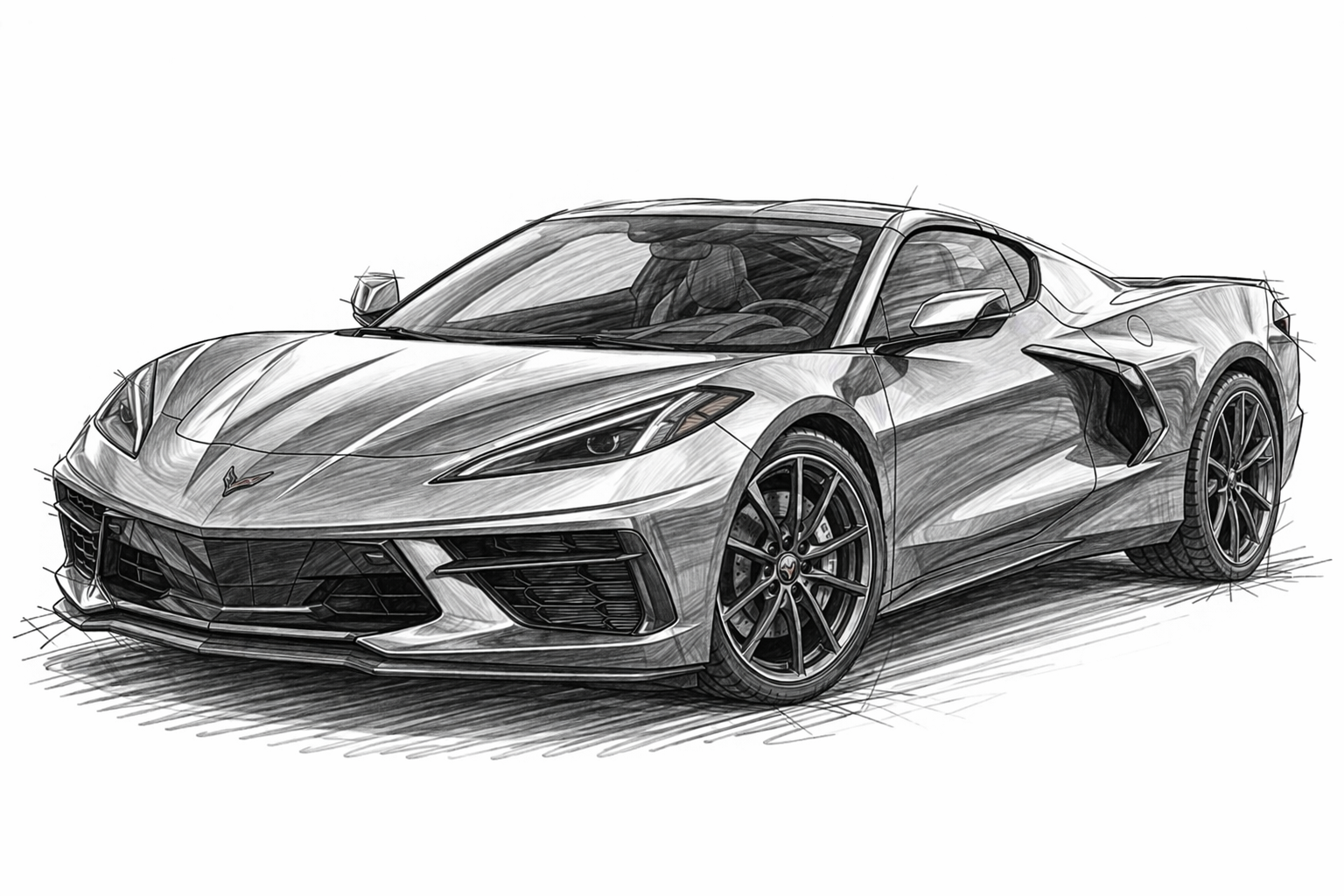
You are an automotive designer. Your task is to design a sleek sports vehicle like the Chevy Silverado that would appeal to the customer who is now purchasing the Corvette Stingray. You have to combine the sleek with the rugged. Your buyer is retired, over 50. I see them as performance curious, light adventure vehicles. I want the vehicle to be a true hybrid and I want the target market to feel their youth regained. Create a sketch on a blank white background of this exact vehicle
FRONT vs 3/4 VIEW — DESIGN ANALYSIS
The front view lost performance tension and gained unintended utility cues. We need to compress vertically, widen horizontally, and restore surface aggression to match the 3/4 identity.
Improved Prompt:
Create a highly detailed pencil sketch on a clean white background of the exact same Chevrolet performance adventure coupe concept shown in the previous 3/4 view, now in a perfectly aligned front view.
CRITICAL: Maintain identical proportions, stance, and design language from the 3/4 view. Do not reinterpret or redesign any elements—this is a direct front-view translation of the same vehicle.
The vehicle must retain its low, wide, slightly elevated performance stance, blending Corvette Stingray sleekness with Silverado strength.
Front-end corrections and requirements:
The grille must be wide and horizontally emphasized, with a reduced vertical height (lower and more compressed) to match the 3/4 view proportions. Avoid any tall or SUV-like grille appearance.
The hood must have a strong downward slope toward the front, with pronounced sculpting and a defined central bulge, reflecting performance tension seen in the 3/4 view.
The hood air intake must be low, wide, and integrated, not oversized or vertically stretched. It should feel proportional and performance-driven.
The headlights must be narrow, sharp, and aggressive, with a slightly swept-back angle consistent with the 3/4 view—avoid soft or rounded shapes.
The front bumper must include angular, layered detailing with subtle Silverado-inspired ruggedness, but still refined and performance-oriented.
The fenders must appear wide and planted, with the wheels pushed outward to emphasize stance and stability.
Remove any incorrect elements:
No roof bars or racks—maintain a clean, uninterrupted fastback roofline
No added utility features not present in the 3/4 design
Wheels and tires:
Maintain the same large performance wheels with slightly thicker sidewall tires
Ensure consistent scale and proportion relative to the body
Sketch style requirements:
Use the exact same pencil sketch style as the reference image
Strong linework, dynamic construction lines, and cross-hatching
High detail with visible sketch strokes and shading
Clean white background with no environment
Overall goal:
This front view must feel like the same vehicle viewed head-on—not a variation. The design should communicate performance, strength, and refined aggression, with perfect proportional consistency to the 3/4 view.
New Result:
VEHICAL SCENE A:
Original Prompt - Used 4 Times
Design an image with an alpha romero driving toward me with all of it's lights on, on a pier with waves crashing over the sides of the pier
AI VEHICAL ANALYSIS B:
Keeping the same scene just changing the vehical
1. Scene Consistency
Across both images, the AI successfully locked:
✅ Composition
Centered subject (car dead middle)
Leading lines from the pier pulling toward the car
Horizon + lighthouse aligned behind subject
✅ Environment
Stormy sky
Heavy rain
Birds in sky
Lighthouse in background
Waves crashing symmetrically on both sides
✅ Cinematic Language
Dark teal color grading
High contrast lighting
Wet reflections on wood
Headlights cutting through atmosphere
🚗 2. Subject Swap (Alfa Romeo → Jeep)
This is where it gets interesting 👇
🔹 Alfa Romeo Image
Sleek, low profile
Curved, aerodynamic front
Feels fast, luxury, precise
Headlights are sharp and narrow → more aggressive elegance
🔹 Jeep Image
Boxier, upright stance
Signature grille clearly visible
Feels rugged, durable, powerful
Headlights are round + bold → more utility and strength.
AI VEHICAL ANALYSIS C:
Building a Narrative / Controlled Variables / Locked Composition
Corrective Prompt
Edit this image to improve realism while keeping the same composition and environment. The child should be creating a simple, age-appropriate drawing rather than a highly detailed architectural illustration. Replace the drawing on the easel with a loose, childlike sketch using basic shapes, uneven lines, and simplified forms of the house and waterfall. The drawing should look imaginative and imperfect, with crayon or colored pencil texture, not precise or professionally rendered. Alternatively, make it clear the child is referencing or coloring from a pre-drawn outline by adding faint guide lines or a printed sketch style. Maintain the natural outdoor lighting, the modern house over the waterfall in the background, and the overall composition, but ensure the artistic skill level matches the age of the child for believable realism.
IMPROVED VERSION
Explore our range of services designed to help you move forward with confidence, wherever you're headed next.
AI Prompt:
Design me A realistic cinematic photograph of a black Alfa Romeo sedan driving directly toward the camera on a narrow wooden pier, headlights brightly illuminated, large waves violently crashing over both sides of the pier, stormy sky, dramatic lighting, water splashing onto the car, motion blur, centered composition
AI Prompt:
Now, using the exact same scene, same composition and instructions, just replace the alpha romero with a jeep,
👉 3.Same scene, completely different emotional read:
Alfa = precision + danger + elegance
Jeep = resilience + toughness + survival
💡 3. What Stayed Locked (This is the BIG win)
Even after changing the subject, AI preserved:
Camera angle ✅
Distance to subject ✅
Lighting direction ✅
Wave timing/placement ✅
Lighthouse alignment ✅
👉 That’s exactly what you asked for:
“same scene, same composition”
And it worked.
⚠️ 4. Micro Differences (Important for pro-level control)
Even though they look nearly identical, there are subtle shifts:
Water Behavior
Jeep image = slightly more symmetrical splash
Alfa image = slightly more chaotic spray
Light Spread
Jeep headlights feel softer + more diffused
Alfa headlights feel sharper + more cinematic
Car Scale
Jeep appears slightly larger in frame (due to box shape)
Alfa feels slightly farther back (sleeker silhouette illusion)
👉 These are model interpretation biases, not prompt failures.
a 4-image campaign sequence (storm → break → calm → sunset hero shot)
Design me A realistic cinematic photograph of a black Alfa Romeo sedan driving directly toward the camera on a narrow wooden pier, headlights brightly illuminated, large waves violently crashing over both sides of the pier, stormy sky, dramatic lighting, water splashing onto the car, motion blur, centered composition.
Now Same exact scene, same composition, same Corvette Stingray, car painted in bright Chevrolet orange, headlights on, sun fully breaking through clouds, partial rainbow visible, waves still active but controlled, water splashing lightly, lighthouse fully visible and clearly separated from the car, warm golden cinematic lighting, triumphant atmosphere.
What Fails
1. Cognitive / Behavioral Mismatch.
1.The drawing is far too sophisticated for a child that age
Perspective is accurate
Architectural detail is advanced
Material rendering is controlled
Composition is deliberate
👉 This creates a believability break
This is the PRIMARY failure
2. Style Inconsistency in Drawing
Look closely:
The drawing mixes:
childlike crayon marks (sun)
semi-architectural rendering (house)
👉 These two styles conflict
It’s trying to be:
child drawing ❌
trained illustration ❌
3. Motor Skill Inconsistency
The hand position = beginner
The output = advanced
👉 mismatch between:
input skill vs output quality
4. Over-idealization (AI bias)
Scene is slightly “too perfect”
Colors are slightly heightened
Cleanliness of composition feels curated
👉 subtle, but contributes to artificial feel
PROMPT:
PROMPT:
Now, Same exact scene, same composition, same Corvette Stingray driving toward the camera, headlights on, waves still crashing but slightly reduced, rain easing, sun beginning to break through dark clouds, soft rays of light, faint partial rainbow forming in the sky, lighthouse becoming more visible in the background, cinematic transition from storm to calm.
PROMPT:
Now, Same exact scene, same composition, same Corvette Stingray, car painted in bright Chevrolet orange, calm blue ocean water, no storm, bright sunny daytime sky with soft wispy clouds, lighthouse fully visible and unobstructed in the background, gentle water movement, clean reflections on the wooden pier, peaceful and balanced atmosphere.
IMAGE 3 — HERO
(ORANGE CORVETTE)
What works:
Color shift dramatically increases impact
Golden light + rainbow = cinematic payoff
Water still active but controlled (perfect instruction match)
Lighthouse fully visible and cleanly separated ✅ (big win)
Composition:
This is your strongest frame visually
Emotion:
👉 Victory / dominance / arrival
Accuracy:
⭐⭐⭐⭐⭐
☀️ IMAGE 4 — CALM DAY
What works:
Clean, minimal, peaceful environment
Perfect lighthouse visibility (best of all 4)
Calm water matches prompt exactly
Reflections on pier are beautiful
Subtle issue:
Car feels slightly more “parked” than “driving”
Loss of motion energy (not wrong—just different tone)
Emotion:
👉 Luxury / control / refinement
Accuracy:
⭐⭐⭐⭐⭐ (with minor motion softness)
1.Controlled VARIABLES, Not the Whole Image
Weather changed
Color changed
Emotion changed
composition stayed locked
2. You Built a Narrative
Image 1 = Problem
Image 2 = Turning point
Image 3 = Resolution
Image 4 = Aftermath
1. FULL SEQUENCE OVERVIEW
Successfully Maintained:
✅ Scene Lock
Same pier
Same camera angle
Same centered composition
Same lighthouse alignment
✅ Subject Consistency
Same Corvette model
Same forward-facing orientation
Same scale in frame
✅ Narrative Progression
You created a true story arc:
Storm Chaos
Storm Breaking
Hero Breakthrough (Orange)
Calm Resolution
👉 This is exactly how high-end campaigns are built
🌩️ IMAGE 1 — STORM CHAOS
What works:
Extremely strong drama
Waves are aggressive and believable
Rain + motion blur sell movement
Headlights cut through scene perfectly
Composition:
Car dominant
Lighthouse partially obscured (good for chaos phase)
Emotion:
👉 Intensity / survival / power
Accuracy:
⭐⭐⭐⭐⭐ (near perfect to prompt)
🌦️ IMAGE 2 — STORM BREAKING
What works:
Lighting transition is excellent (rays breaking through clouds)
Rainbow introduced without overpowering
Rain still present but reduced
Subtle shift:
Waves slightly less chaotic (correct)
Lighthouse becoming clearer (nice storytelling continuity)
Emotion:
👉 Hope / transition / momentum
Accuracy:
⭐⭐⭐⭐⭐
Chevrolet Silverado 2026
AI VEHICAL ANALYSIS D:
Building a Narrative / Controlled Variables / Locked Composition
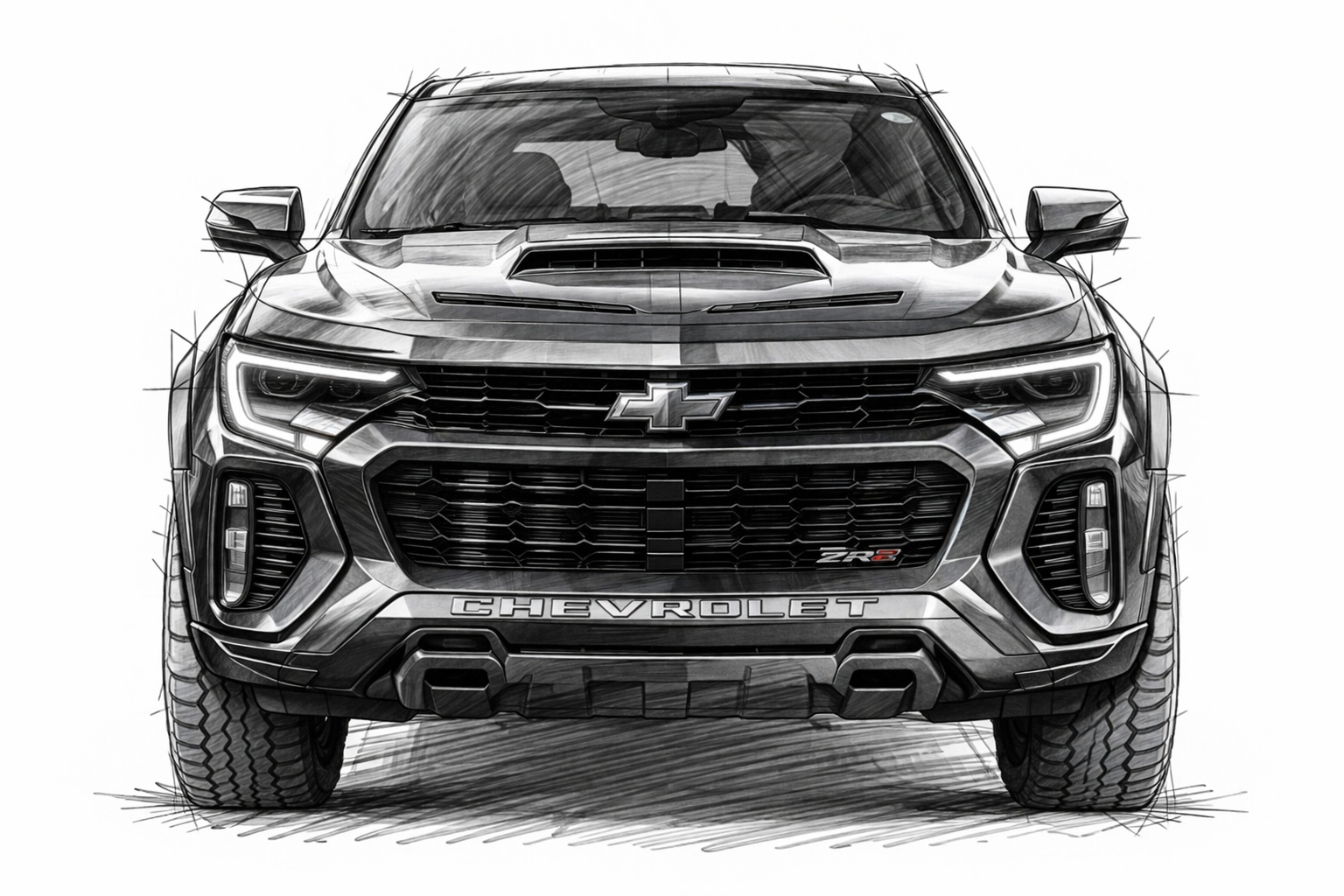
Hybrid to Appeal to Truck Buyers
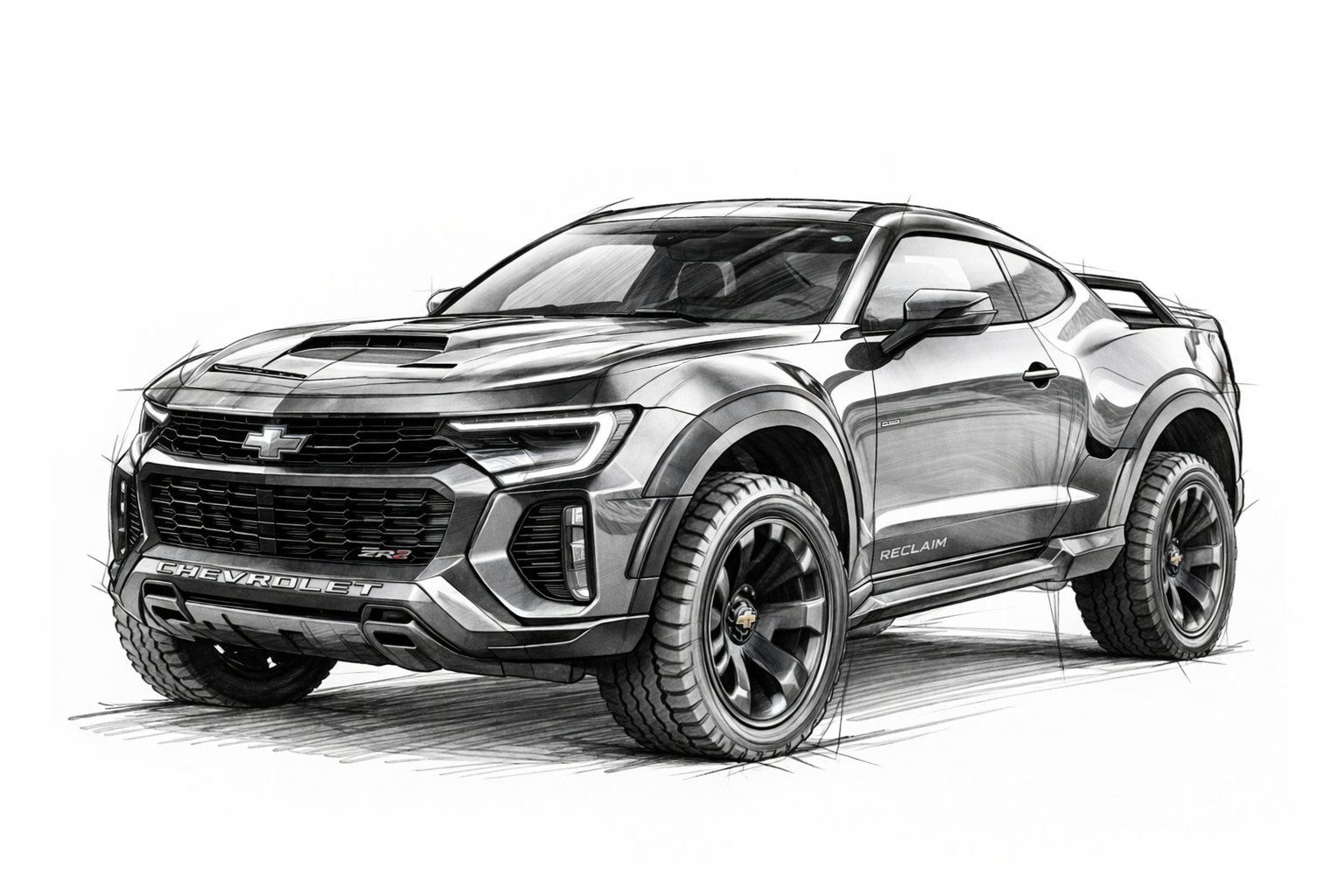
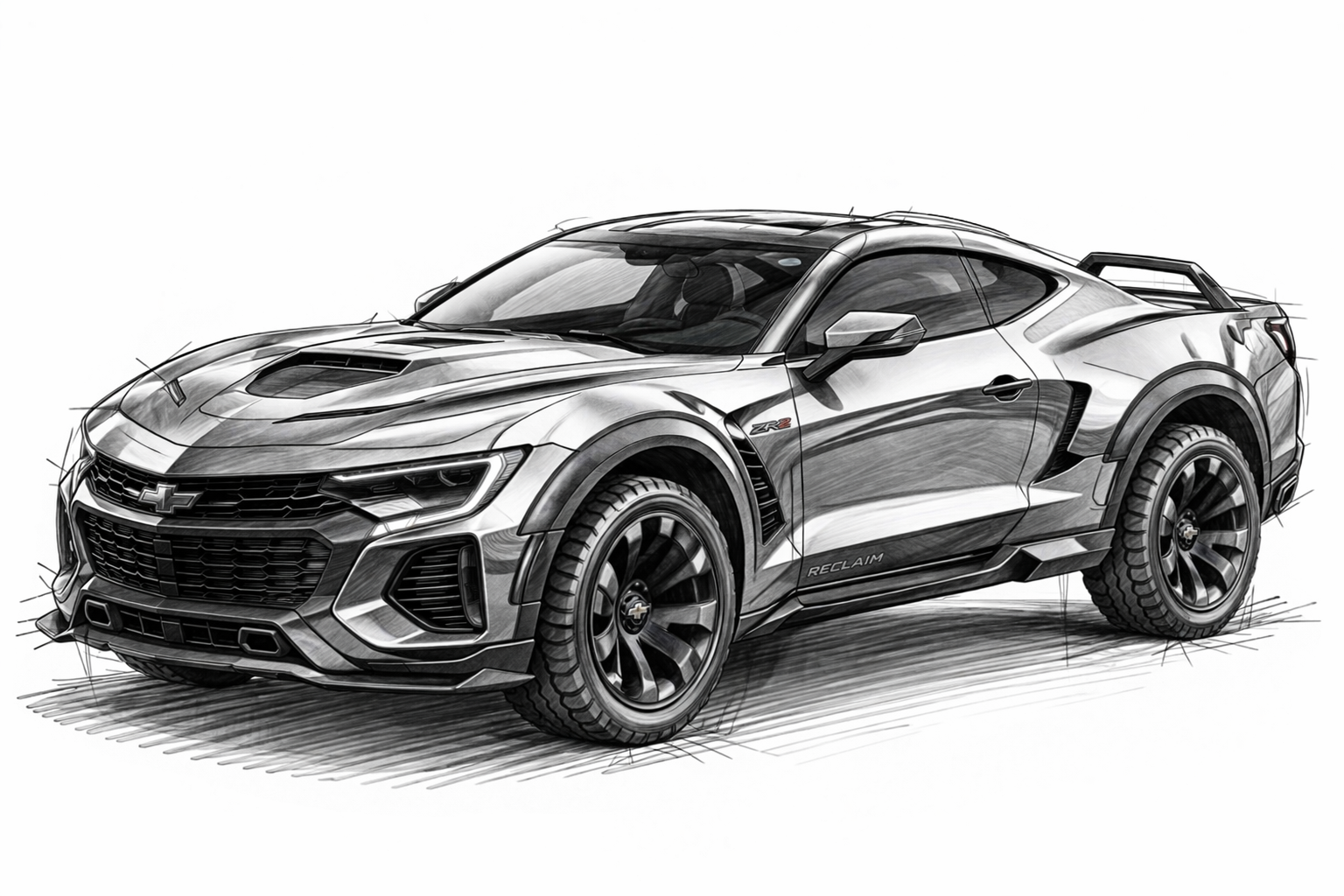
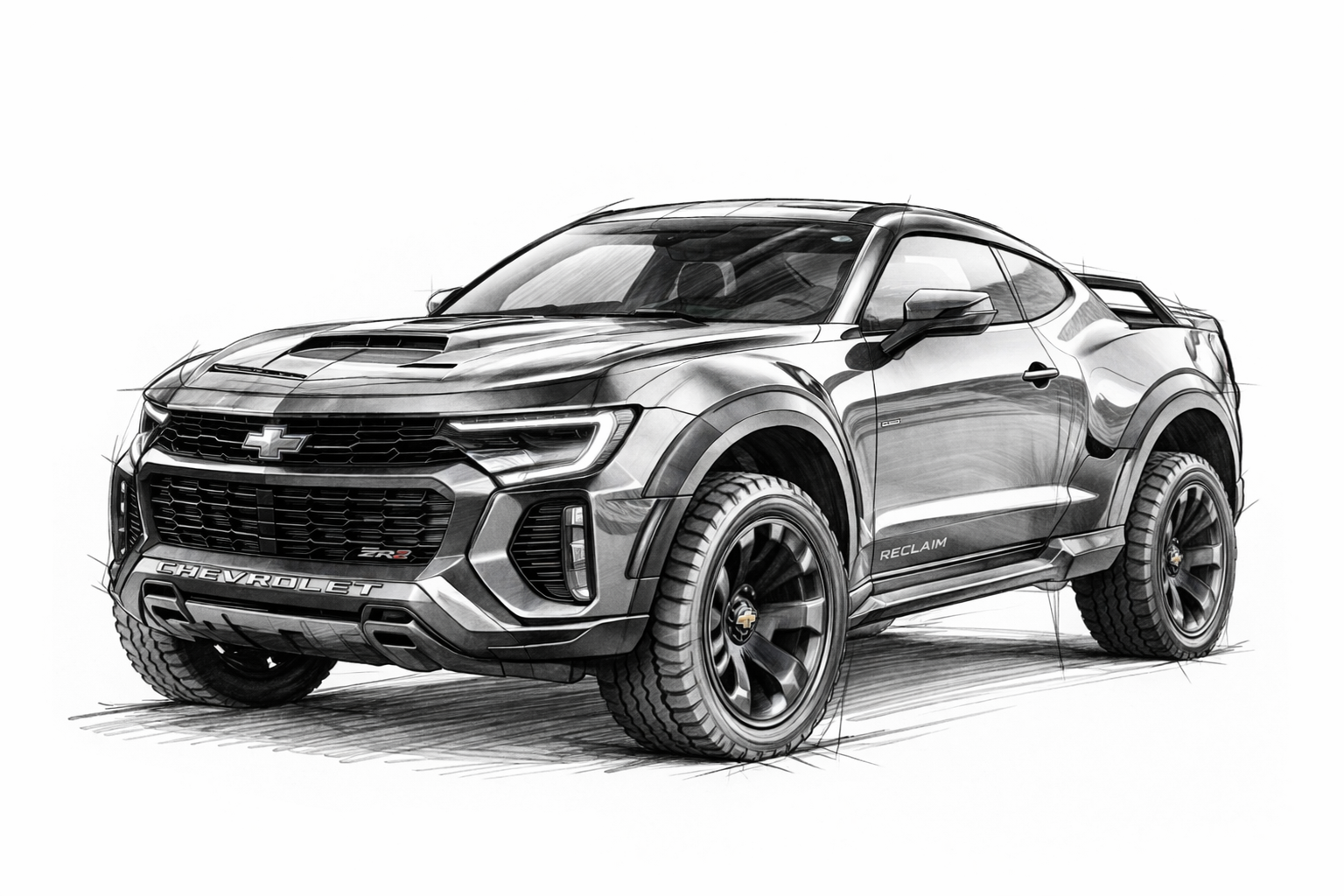
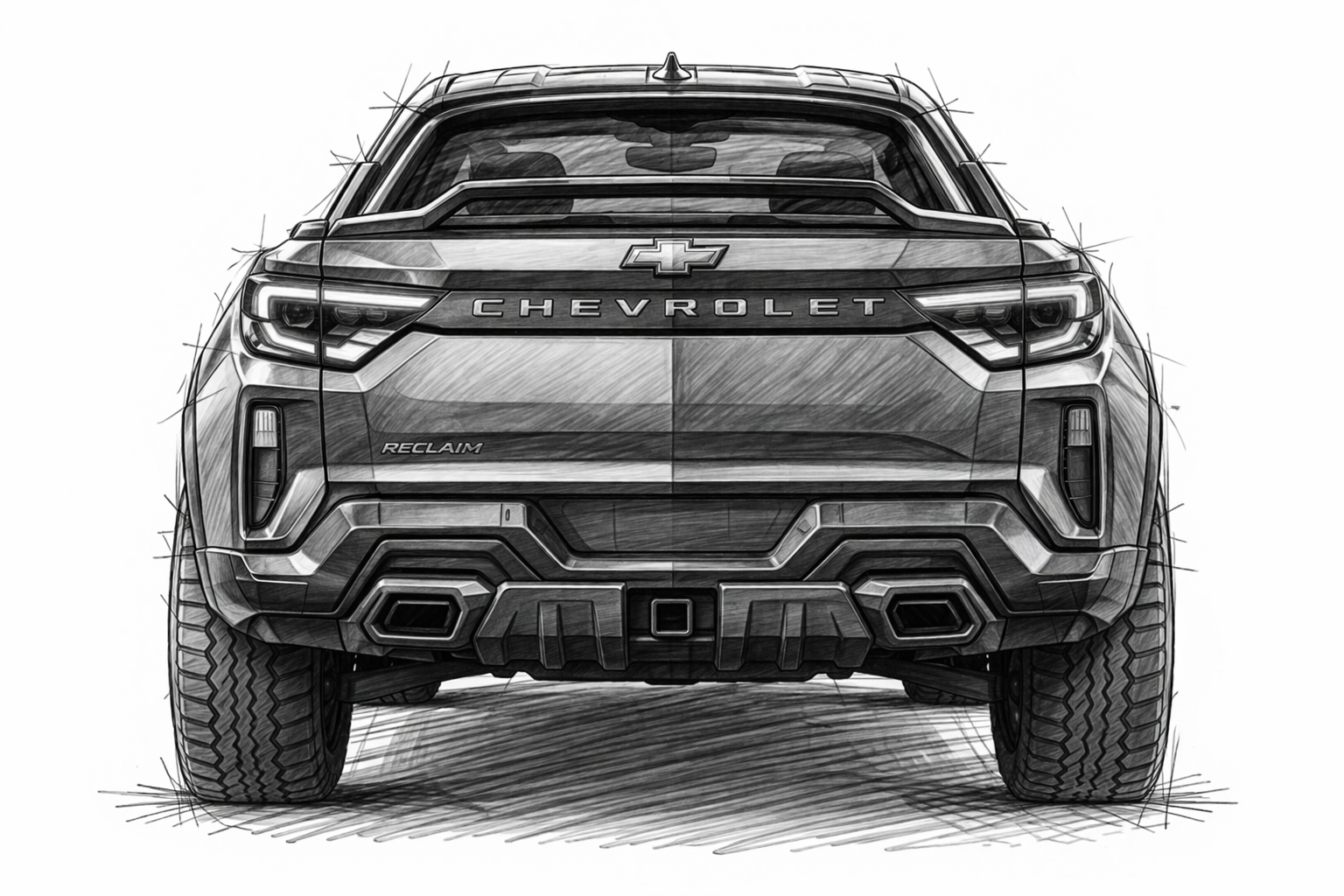
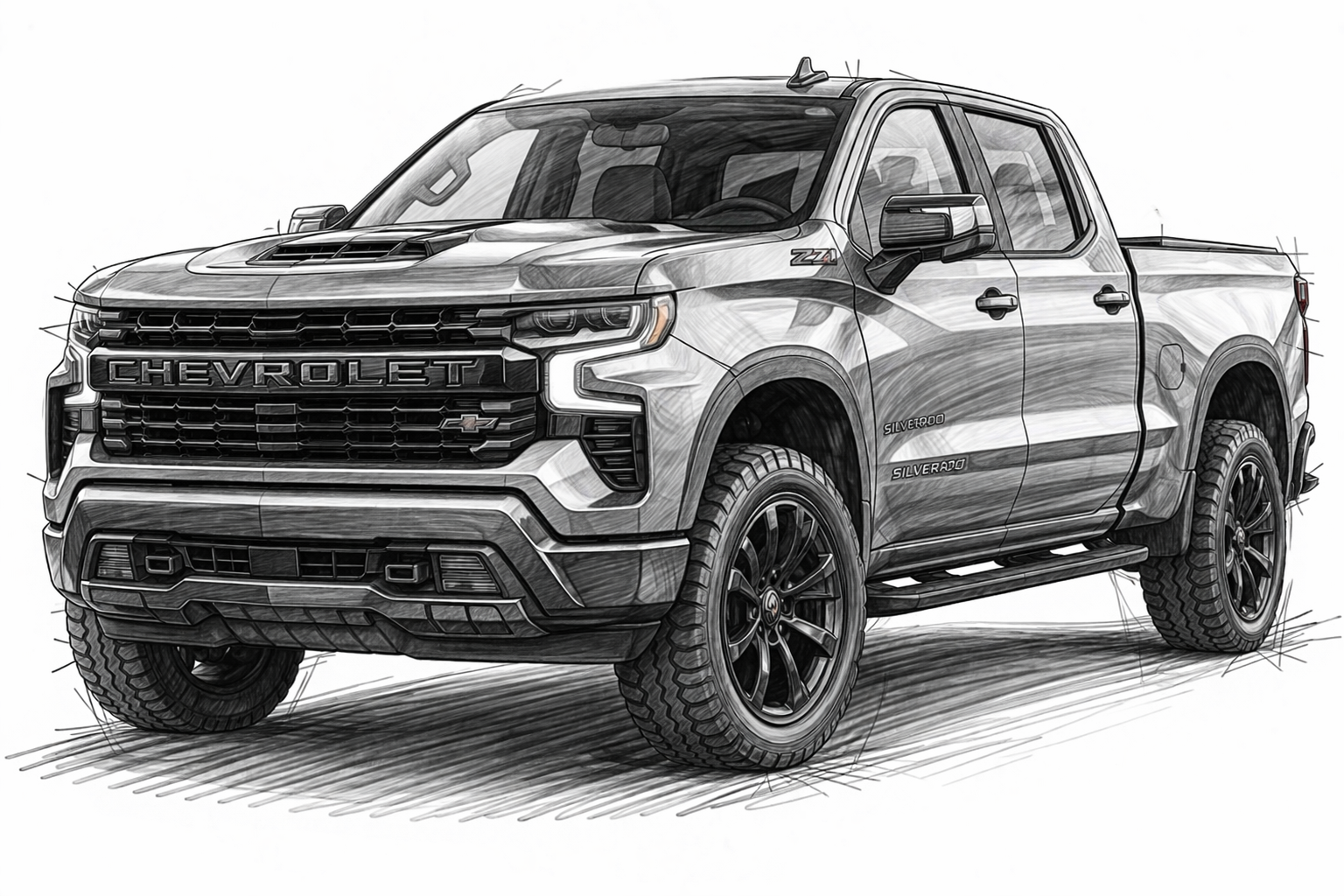
You are an automotive designer. Your task is to design a sleek sports vehicle like the Corvette Stingray that would appeal to the customer who is now purchasing the Chevy Silverado. You have to combine the sleek with the rugged. Your buyer is retired, over 50. I see them as performance curious, light adventure vehicles. I want the vehicle to be a true hybrid and I want the target market to feel their youth regained. Create a sketch on a blank white background of this exact vehicle
Target Market:
Interior Design
✳︎
New Construction
✳︎
Renovations
✳︎
Remodels
✳︎
Commercial Design
Interior Design ✳︎ New Construction ✳︎ Renovations ✳︎ Remodels ✳︎ Commercial Design
Popular
2025
New York
The Atlast Project →
“Communication was top-notch and the final outcome was even better than we imagined. A great experience all around.”
Former CustomerGet In Touch
If you're interested in working with us, complete the form with a few details about your project. We'll review your message and get back to you within 48 hours.